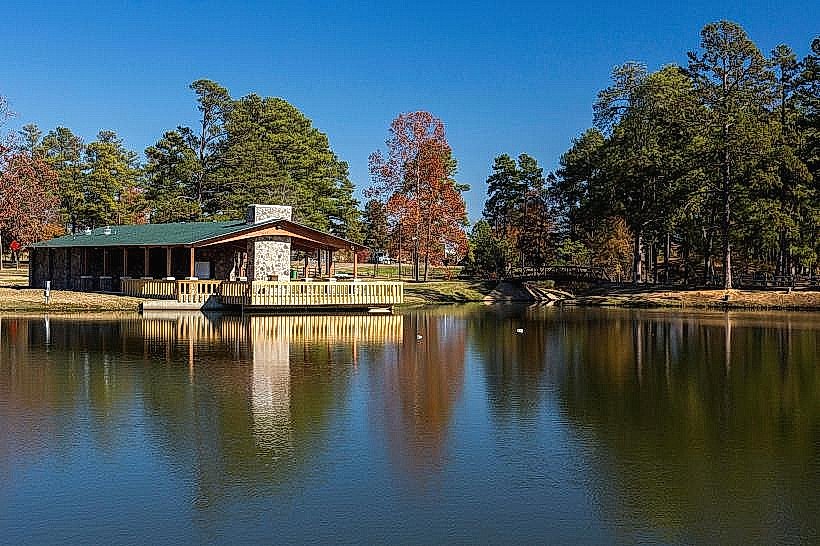
Information
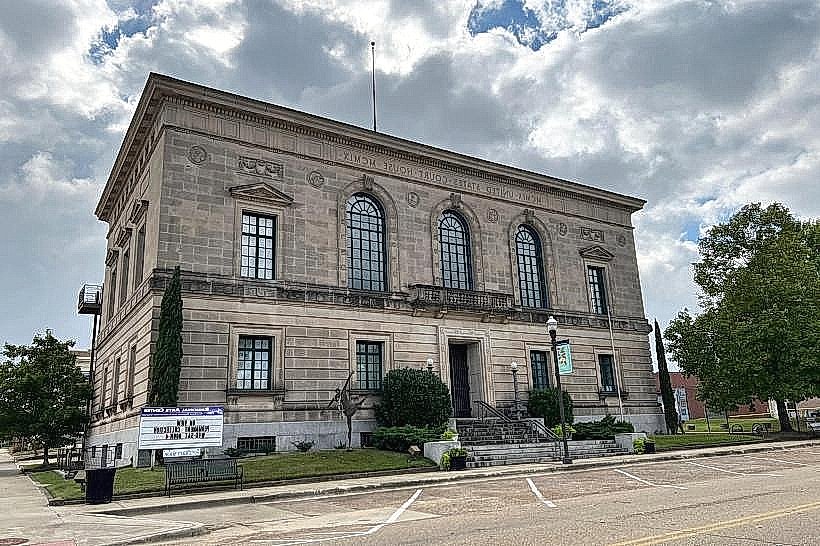
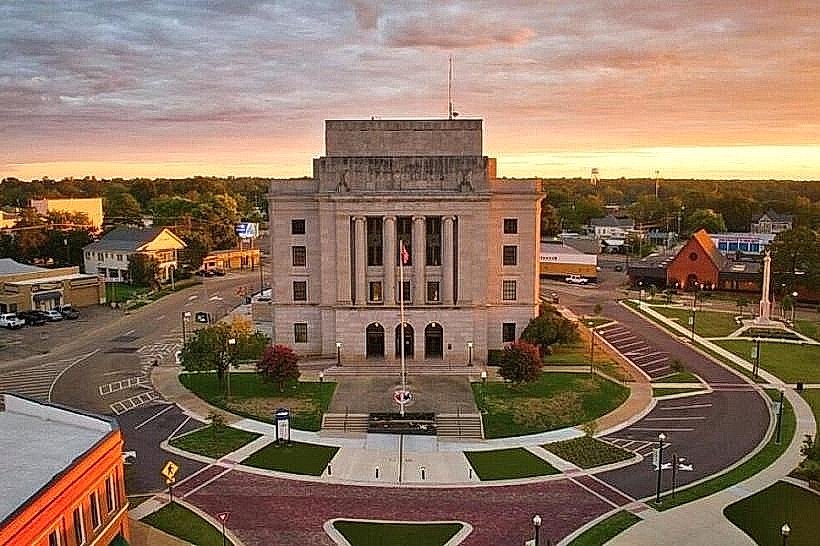
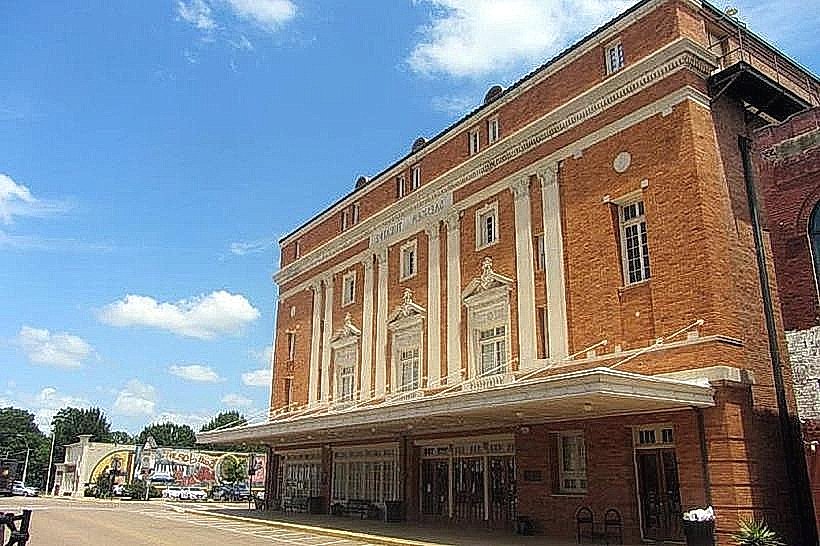
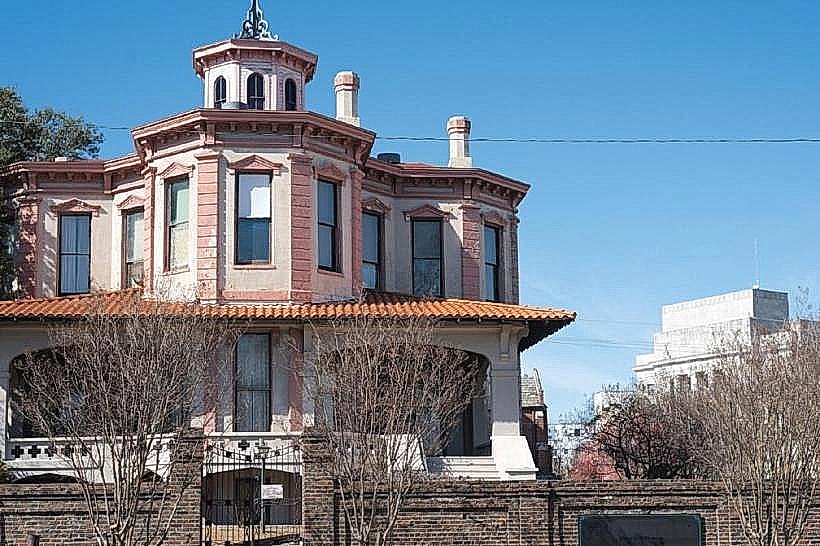
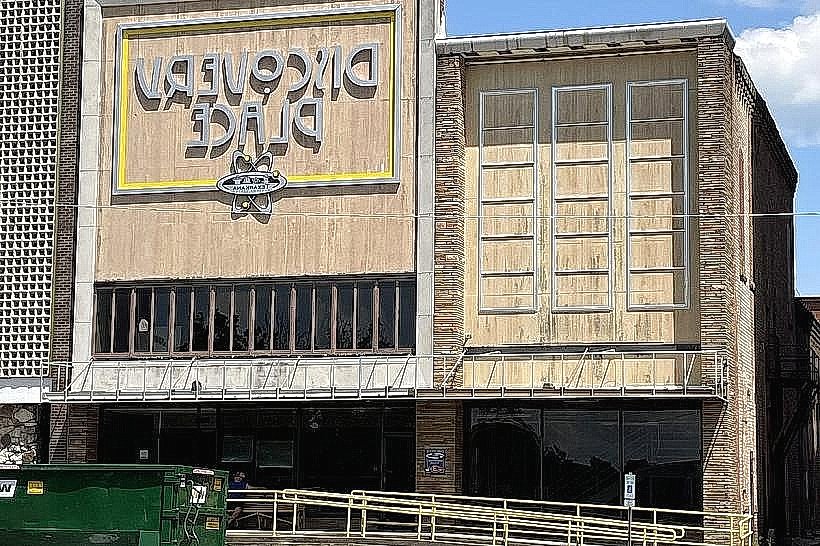
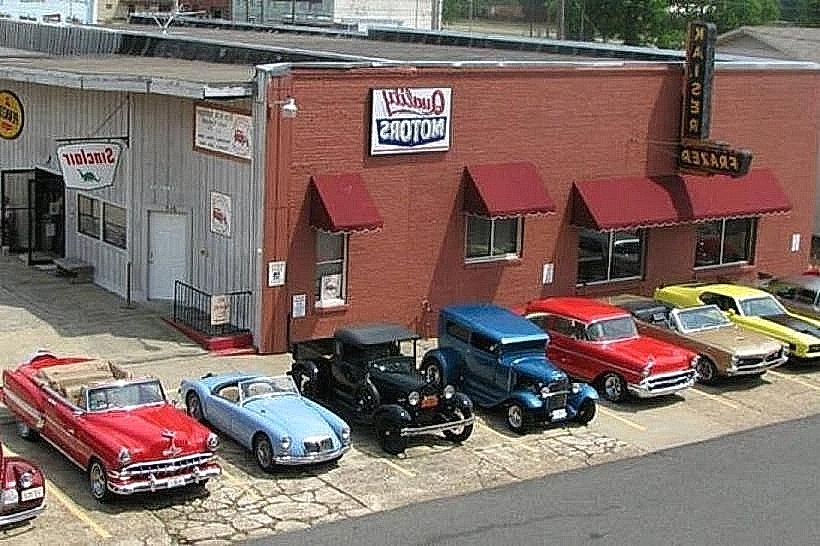
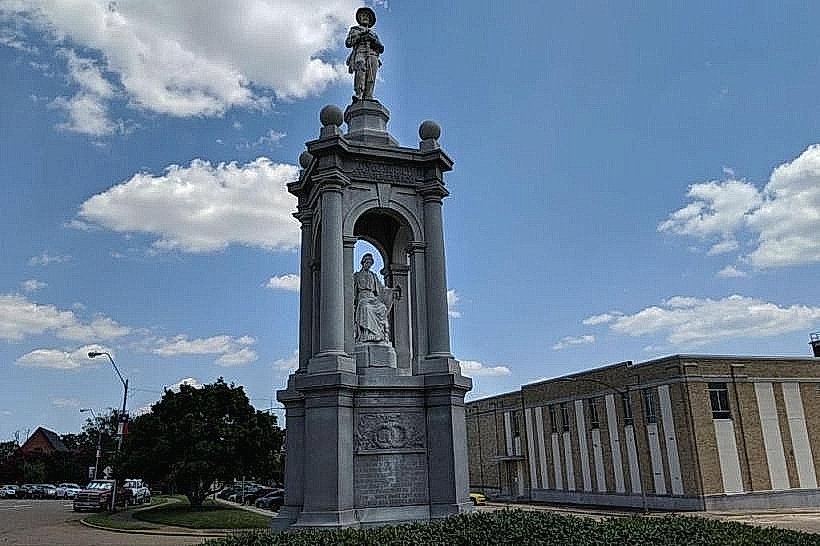
Landmark: Texarkana Historical MuseumCity: Texarkana
Country: USA Arkansas
Continent: North America
Texarkana Historical Museum, Texarkana, USA Arkansas, North America
The Cannon Mountain Aerial Tramway is a gondola lift system located in Franconia Notch State Park, near Lincoln, New Hampshire, USA.
Visual Characteristics
The tramway consists of two enclosed gondolas, each capable of carrying 70 passengers. The cabins are constructed of aluminum and glass, providing panoramic views. The tramway ascends a steel cable supported by multiple towers, reaching an elevation of 4,080 feet (1,244 meters) at the summit station. The summit station is a concrete and steel structure housing observation decks and an elevator.
Location & Access Logistics
The tramway base station is located directly off Interstate 93 at Exit 34B. From the exit, follow the signs for the Cannon Mountain Aerial Tramway. Ample parking is available at the base station. The closest major city is Concord, NH, approximately 60 miles (97 km) south. Public transportation options directly to the tramway are limited; visitors typically arrive by private vehicle.
Historical & Ecological Origin
The Cannon Mountain Aerial Tramway was constructed in 1938, making it the first aerial tramway in North America. It was built to provide access to the summit of Cannon Mountain for skiers and sightseers. The mountain itself is composed primarily of granite, a common igneous rock in the Appalachian Mountains, and its formation is a result of ancient geological processes including uplift and erosion.
Key Highlights & Activities
Ascend to the summit for panoramic views of the White Mountains. Walk the short, paved path to the Cannon Cliffs observation area. Observe the Old Man of the Mountain historical site from the summit (note: the rock formation itself has collapsed). Hike designated trails from the summit, such as the Kinsman Ridge Trail. During winter, the tramway provides access to the Cannon Mountain ski area.
Infrastructure & Amenities
Restrooms are available at the base station and the summit station. Limited shaded areas are present at the summit observation decks. Cell phone signal (4G/5G) is generally available at the summit, though it can be intermittent. Food vendors and a cafeteria are typically operational at the base station during the operating season.
Best Time to Visit
For photography, early morning or late afternoon offers optimal lighting conditions. The tramway operates seasonally, typically from late May through mid-October. The peak foliage season, usually mid-September to early October, provides significant visual interest. Check operating hours as they vary by season.
Facts & Legends
The "Old Man of the Mountain," a profile of a human face formed by natural rock ledges, was a famous symbol of New Hampshire. It famously collapsed in 2003. A unique tip for visitors is to look for the "Profile Lake" below the summit, which historically offered the clearest view of the Old Man.
Nearby Landmarks
- Franconia Notch State Park Visitor Center - 0.2km South
- Echo Lake State Park - 1.5km South
- The Flume Gorge - 3.0km South
- Lonesome Lake Hut (Appalachian Mountain Club) - 4.0km West (requires hiking)
- Artist's Bluff Trailhead - 4.5km South