Information
City: VailCountry: USA Colorado
Continent: North America
Vail, USA Colorado, North America
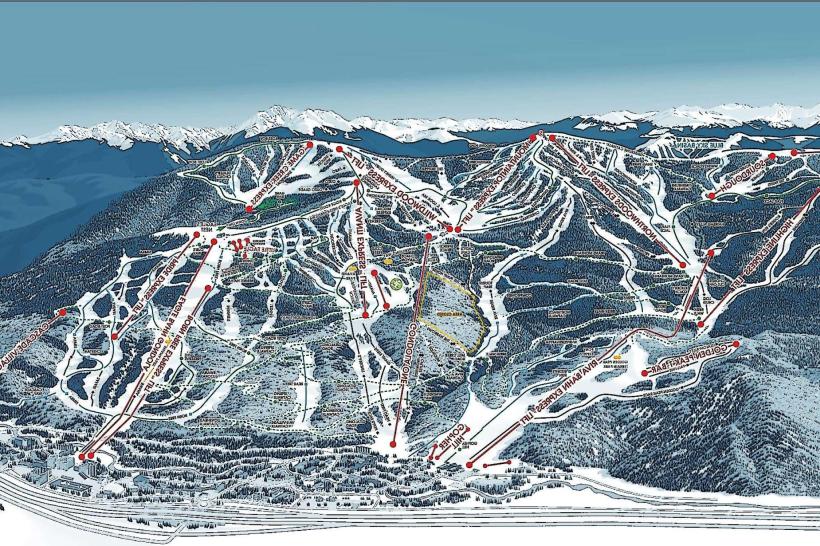
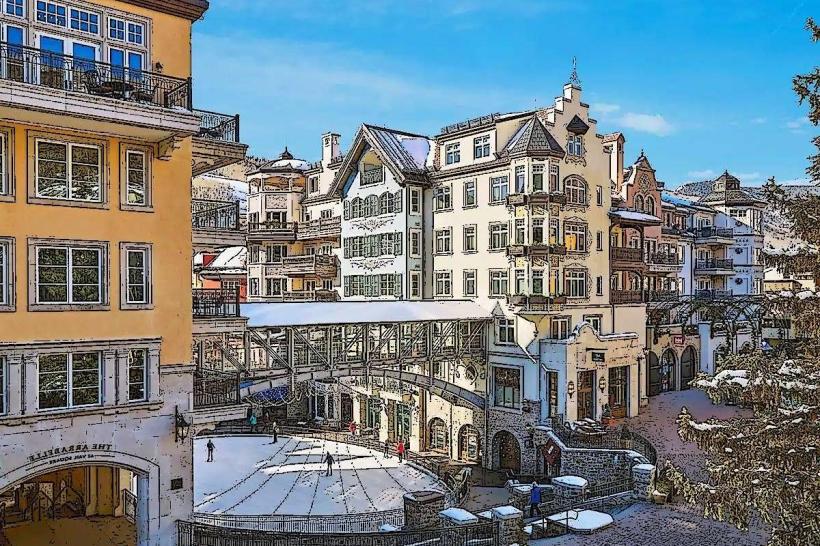
Vail is an independent town in Eagle County, situated within the White River National Forest in the central Rocky Mountains. Unlike historic Colorado mining towns, Vail was custom-built in 1962 as a European-style ski destination. It is defined by its massive 5,317-acre ski resort, its pseudo-Bavarian architecture, and its status as one of the most expensive and exclusive resort communities in North America.
Historical Timeline
Inhabited by the Ute Nation ("The Shining Mountains") until the late 19th century. Primary governance eras began with the 1939 construction of Highway 6 through the Gore Valley, engineered by Charles "Charlie" Vail, for whom the town is named. A critical historical event was the training of the 10th Mountain Division at nearby Camp Hale during WWII; veterans Pete Seibert and Earl Eaton returned after the war to found the resort. The town was incorporated in 1966. Its global profile was cemented in the 1970s when it served as the vacation home of President Gerald Ford. The 21st century has focused on massive redevelopment of the Lionshead area and the expansion of the "Blue Sky Basin" backcountry terrain.
Demographics & Population
The permanent population is approximately 4,500 (2026 estimate), though seasonal visitors exceed 1.3 million annually. The demographics are White (87%), Hispanic or Latino (11%), and Asian (1%). The economy is entirely dominated by Vail Resorts, luxury hospitality, and real estate. The median household income is approximately $104,000, with one of the highest cost-of-living indices in the state.
Urban Layout & Key Districts
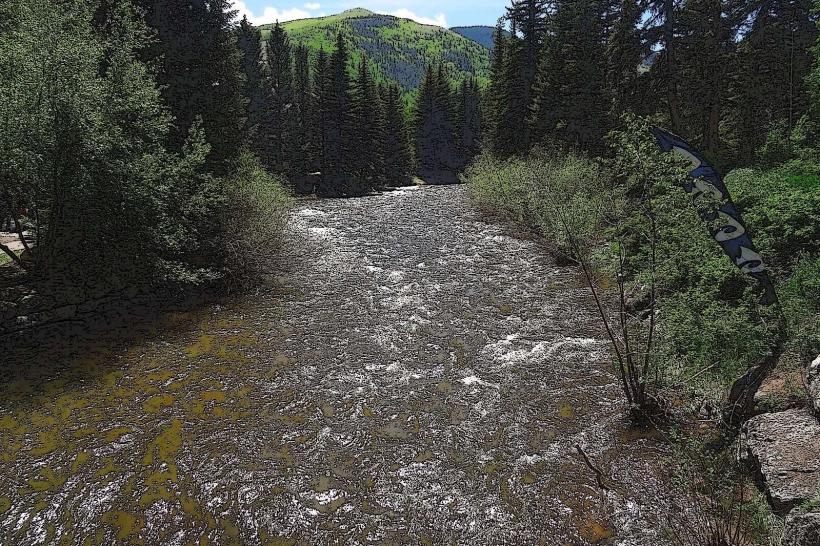
Vail is a linear town stretched along I-70 and the Gore Creek, characterized by a strictly car-free pedestrian core.
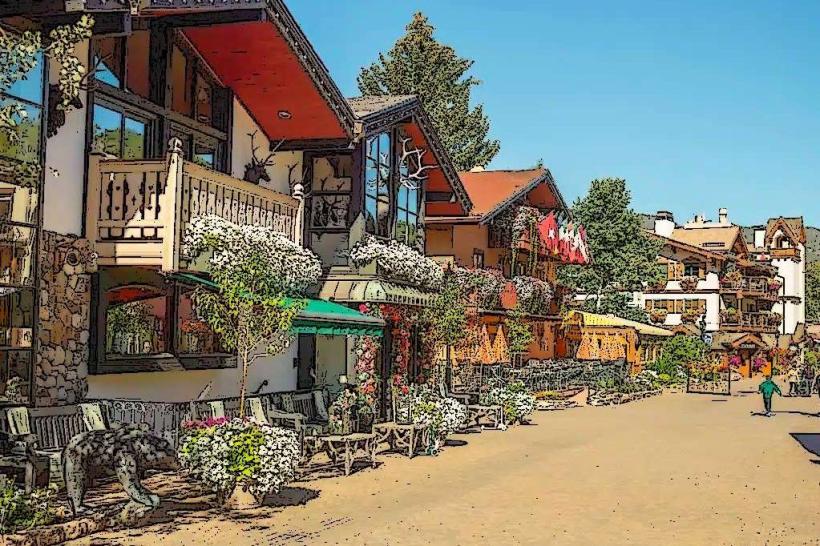
Vail Village: The historic and social hub; features heated cobblestone streets, high-end dining (Sweet Basil), and access to Gondola One.
Lionshead Village: A family-centric pedestrian zone west of Vail Village, rebuilt in the 2000s to resemble an Austrian village; home to the Eagle Bahn Gondola.
Golden Peak: The eastern base area, primarily functioning as the racing and ski school hub with a quieter, residential atmosphere.
Cascade Village: A secluded enclave west of Lionshead featuring the Grand Hyatt and a dedicated chairlift.
East Vail: A residential "locals" area known for dramatic waterfall views, bighorn sheep sightings, and limited winter sun (the "Icebox").
West Vail: The primary commercial district housing grocery stores and essential services, characterized by more sun and higher highway noise.
Top City Landmarks
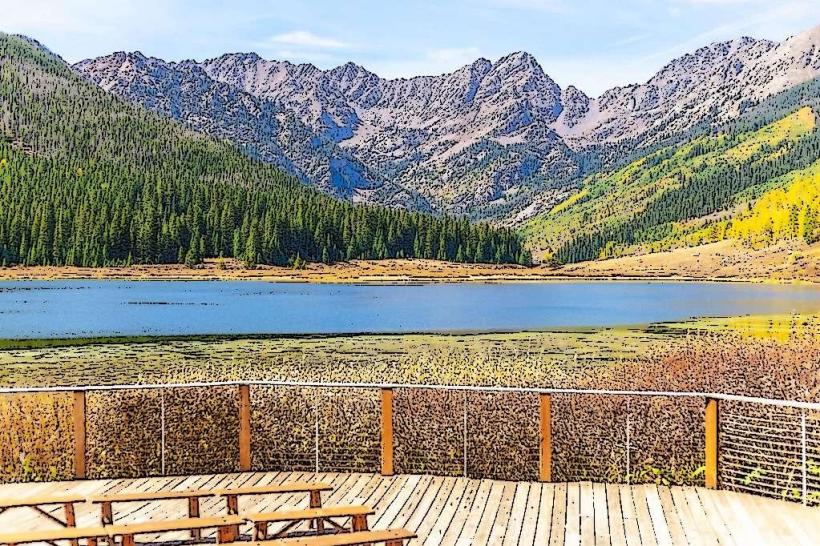
Vail Mountain: The second-largest single-mountain ski resort in North America, famous for its seven Back Bowls.
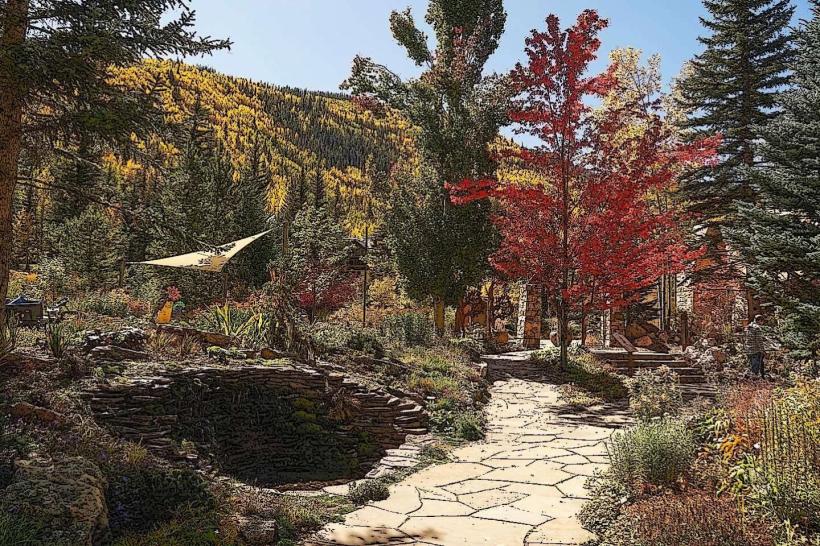
Betty Ford Alpine Gardens: The highest botanical garden in the world (8,250 feet), specializing in high-altitude flora.
Gerald R. Ford Amphitheater: A premier outdoor venue hosting the Vail Dance Festival and major summer concerts.
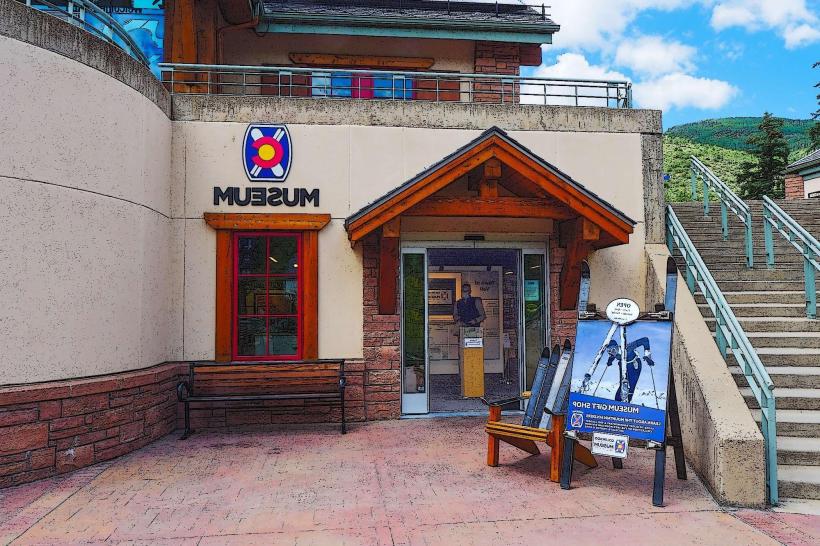
Colorado Snowsports Museum: Located in the Vail Village parking structure; it houses the Hall of Fame and 10th Mountain Division archives.
Vail Nature Center: A 1940s farmhouse set on 7 acres, acting as a hub for fly fishing and nature walks.
Blue Sky Basin: A rugged, "backcountry-style" expansion of the ski resort offering high-alpine glade skiing.
Transportation Network
Movement within the resort core is strictly pedestrian. The town operates one of the largest free bus systems in the U.S., connecting East and West Vail to the villages. The city is accessed via I-70 (Exits 173 and 176). Commercial air service is via Eagle County Regional (EGE), 50 km west, or Denver International (DEN), 190 km east. Traffic density on I-70 is severe during weekend "ski changeover" days.
Safety & "Red Zones"
The general safety level is very high. Property crime is rare. There are no "red zones." Environmental hazards include Altitude Sickness (base elevation 8,120 feet), Avalanche Risk in the backcountry, and Black Bear encounters. Sun exposure is 40% more intense than at sea level; high-SPF protection is mandatory.
Digital & Financial Infrastructure
Internet speeds average 500+ Mbps in village cores with fiber availability via Comcast and CenturyLink. Main mobile carriers are Verizon and AT&T. Card acceptance is 100%; many resort-owned venues are cashless.
Climate & Air Quality
Temperatures range from -12°C to 2°C in winter and 9°C to 24°C in summer. The valley is known for "Champagne Powder" snow and brief, intense afternoon thunderstorms in July. Air quality is pristine.
Culture & Social Norms
The standard tipping percentage is 20–30% in luxury venues. A "Professional-Alpine" greeting is standard. Dress codes are "Ski-Chic" (performance-wear by day, designer fur/wool by night). The town is culturally defined by Après-Ski culture and its obsession with "First Tracks."
Local Cost Index
1 Espresso: $6.50 (USD)
1 Standard Lunch: $28.00 (USD)
1 Full-Day Lift Ticket: $215.00–$299.00 (Window price).
Nearby Day Trips
Beaver Creek, CO: (20 km west; a gated luxury resort known for "Cookie Time").
Glenwood Hot Springs: (95 km west; the world’s largest mineral hot springs pool).
Minturn, CO: (10 km west; a gritty, authentic railroad and mining town).
Facts & Legends
Vail installed the first gondola in the United States in 1962. Historically, it was the first resort to use high-speed quad lifts (1985). A local legend involves the "Ute Fire," where departing Ute tribes supposedly set fire to the trees in the 1870s, creating the treeless expanses that became the famous Back Bowls. Another legend concerns "The 10th Mountain Division Spirit," with veterans claiming to still feel the presence of their fallen comrades in the rugged peaks of the Gore Range.