Information
City: Veliko TarnovoCountry: Bulgaria
Continent: Europe
Veliko Tarnovo, Bulgaria, Europe
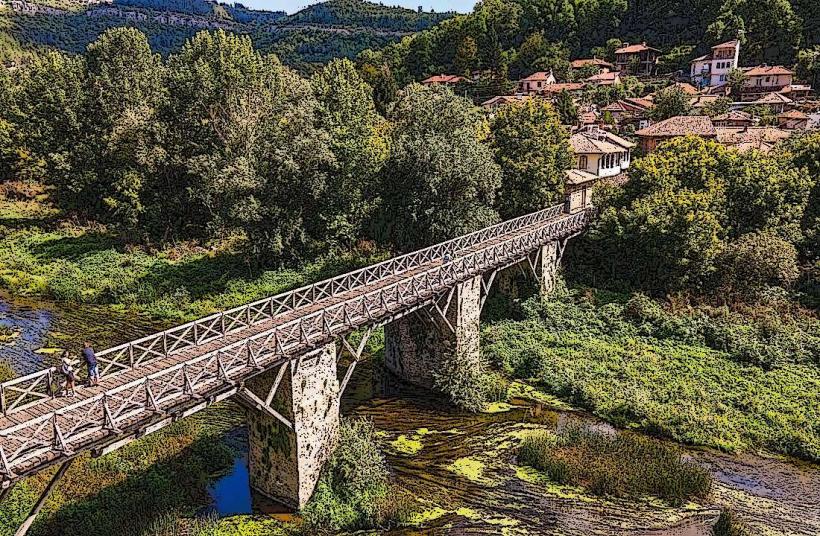
Veliko Tarnovo serves as the administrative center of the Veliko Tarnovo Province and acts as a primary cultural and educational hub in north-central Bulgaria. It is situated on the northern slopes of the Balkan Mountains, uniquely terraced across the hills of Tsarevets, Trapezitsa, and Sveta Gora, which are bisected by the sharp meanders of the Yantra River.
Historical Timeline
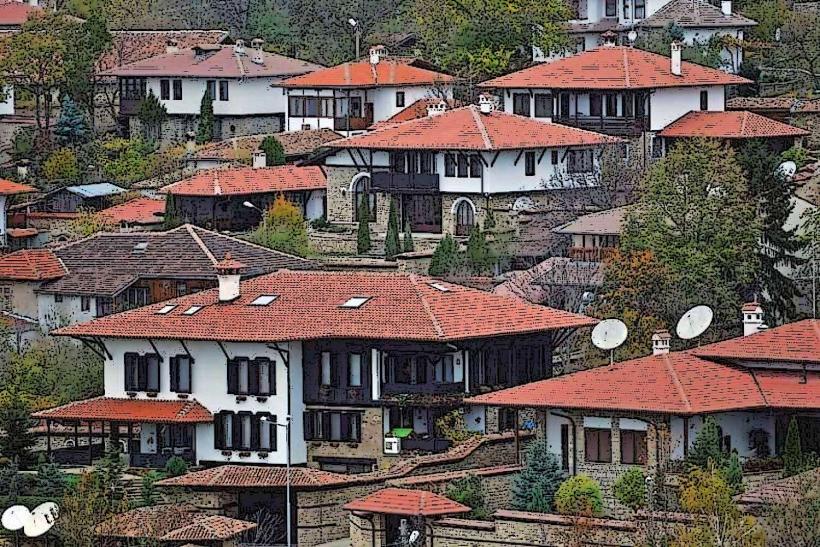
Settlement began in the 4th millennium BC, but the city achieved political dominance in 1185 when it was declared the capital of the Second Bulgarian Empire. Following the Ottoman conquest in 1393, the city’s governance shifted to imperial Ottoman administration until the Bulgarian National Revival in the 19th century and subsequent liberation in 1878. The most significant architectural reconstruction occurred after the 1913 earthquake, which destroyed much of the historical infrastructure, leading to a blend of restored medieval fortifications and National Revival-style housing. The 1185 Uprising of Asen and Peter is the primary event that established the city’s current historical identity as the "City of the Tsars."
Demographics & Population
The total population within city limits is approximately 69,000, while the metropolitan area (municipality) hosts roughly 82,043 residents as of 2026. The ethnic composition is dominated by Bulgarians (95.6%), followed by Turks (3.3%) and Romani (0.2%). The median age of the population is 44.8 years, reflecting a demographic trend consistent with national aging patterns.
Urban Layout & Key Districts
The city is organized along the deep gorge of the Yantra River, resulting in an elongated, vertical layout rather than a traditional grid.
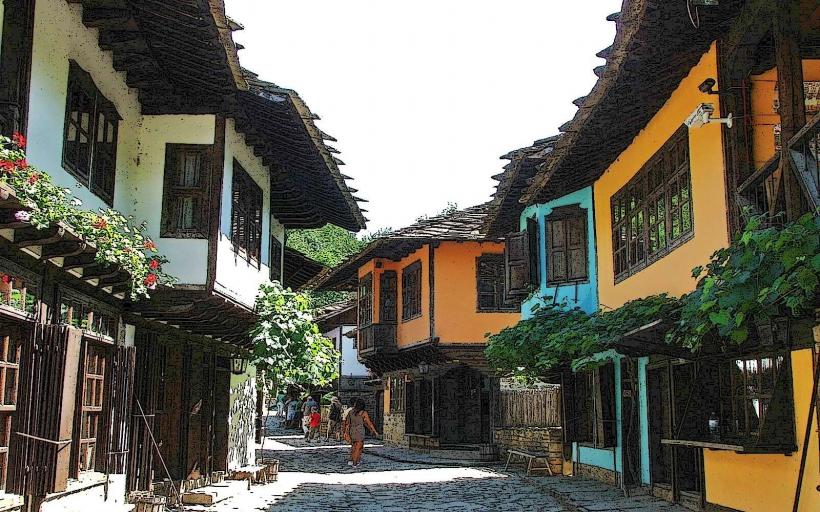
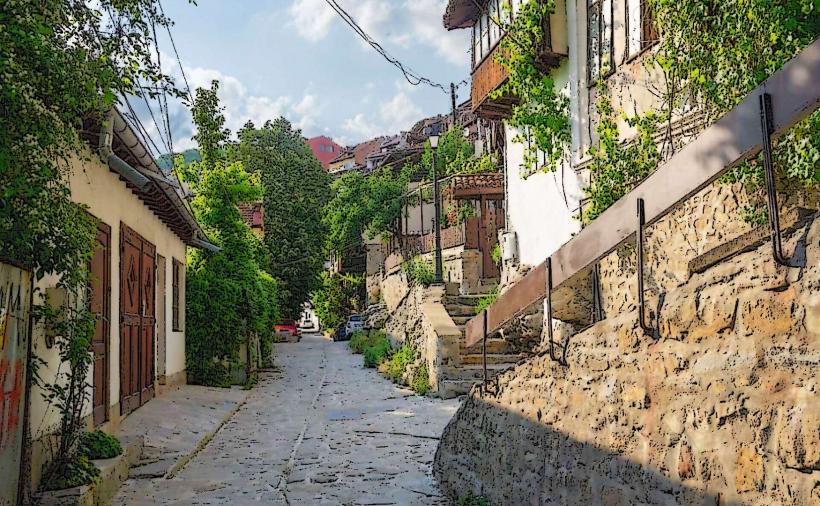
Old Town (Varosha): Located in the eastern section, this district contains the majority of historic architecture and narrow cobblestone streets.
Tsarevets/Asenov Quarter: Situated at the far eastern edge, this is the medieval core containing the primary fortress and religious structures.
Modern Center: Located to the west, this is the commercial and administrative hub where the university and modern residential blocks are concentrated.
Top City Landmarks
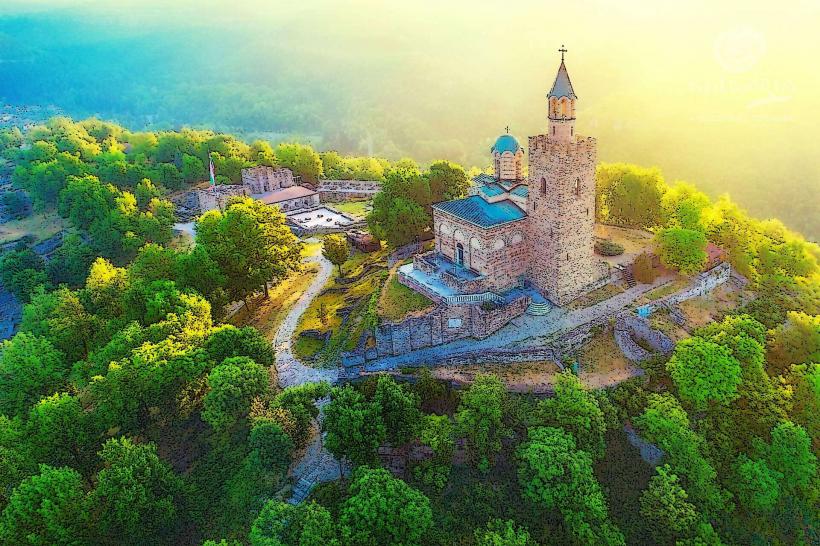
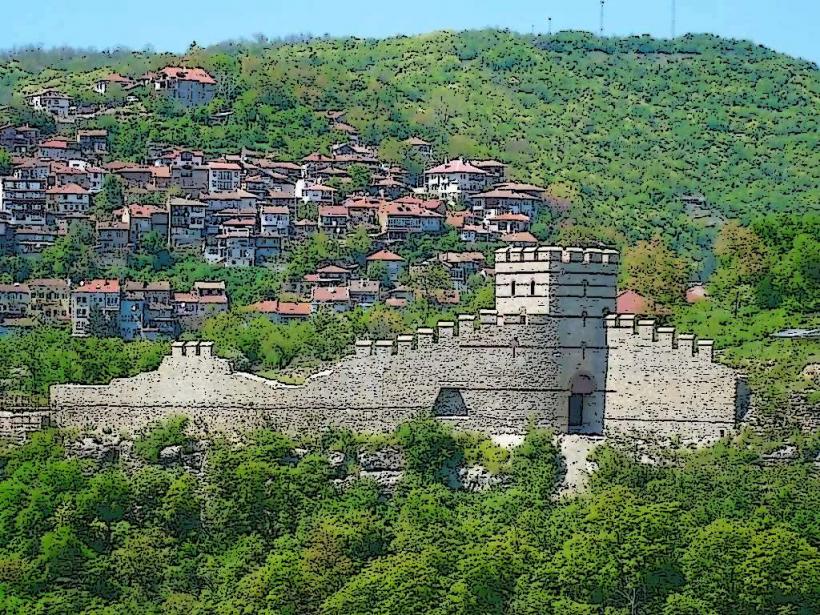
Tsarevets Fortress: The primary medieval stronghold featuring the reconstructed Patriarchal Cathedral and Baldwin’s Tower.
Trapezitsa Fortress: The second citadel of the medieval capital, recently excavated and accessible via funicular.
Samovodska Charshia: The old market square known for traditional craft workshops and 19th-century architecture.
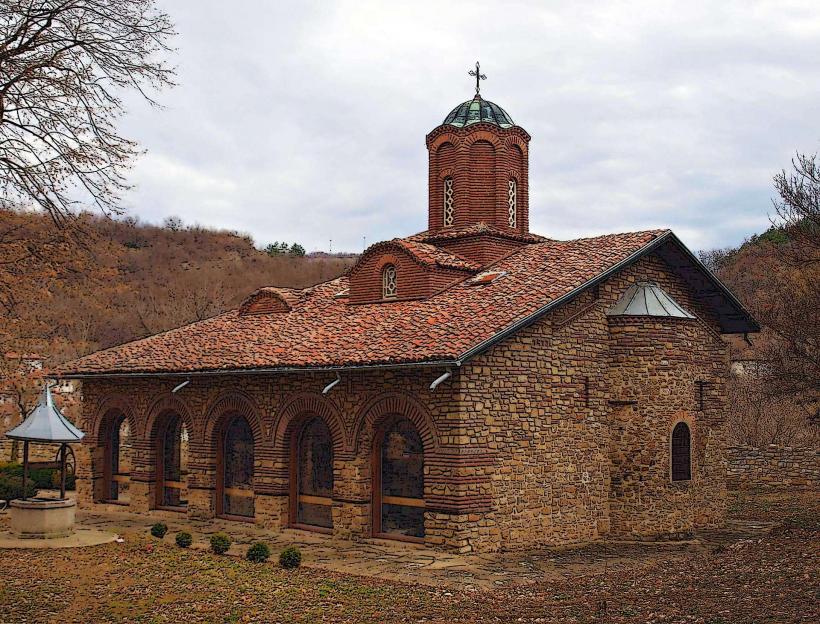
Holy Forty Martyrs Church: A 13th-century Eastern Orthodox church housing significant historical inscriptions from Bulgarian rulers.
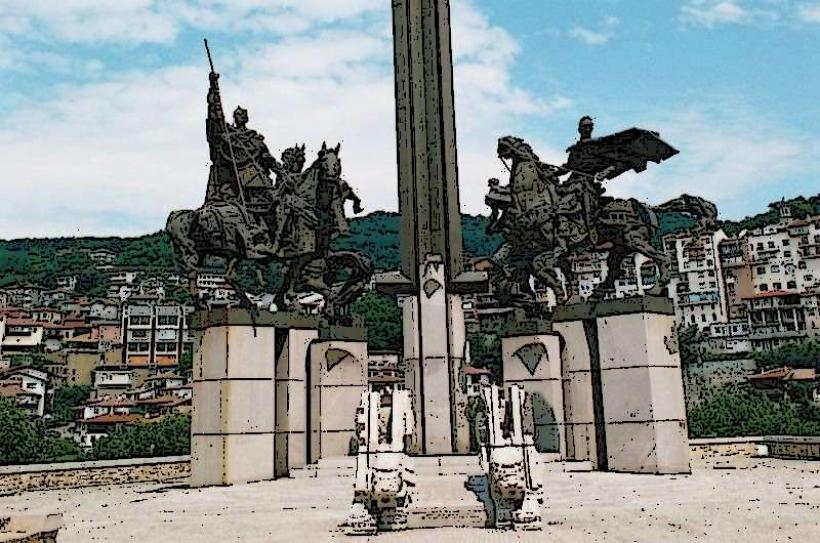
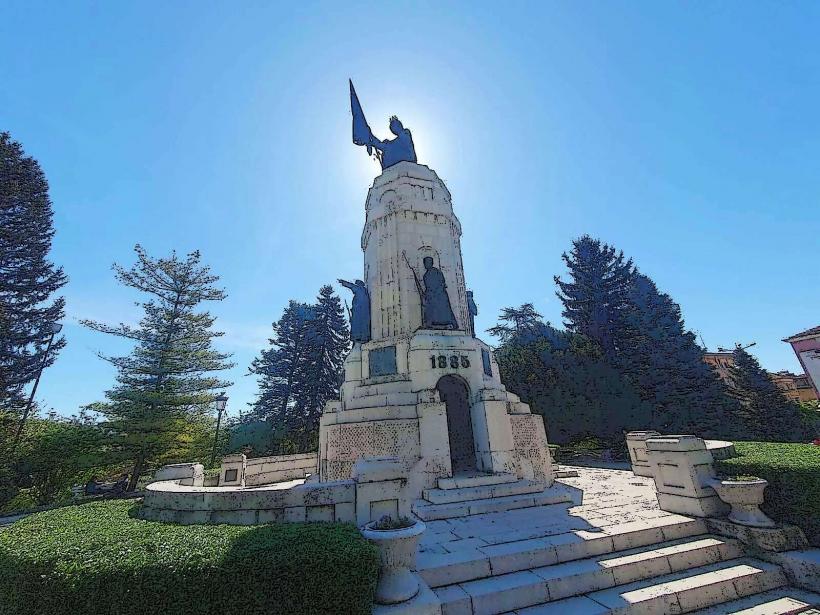
The Monument to the Asen Dynasty: A massive sculpture located on a river peninsula commemorating the founders of the Second Bulgarian Empire.
Transportation Network
Movement within the city is conducted via a municipal bus network; there are no metro or tram lines. Bus reliability is high during daylight hours (6:00–21:00). Ride-sharing is limited; the primary app used is TaxiMe, though standard Uber/Bolt services are generally unavailable. Official taxis are yellow, clearly marked with company names (e.g., Euro Taxi, Victoria), and operate on regulated meters. Traffic density is high in the narrow streets of the Old Town and the central "Vasil Levski" boulevard during peak hours (08:00–09:00 and 17:00–18:00).
Safety & "Red Zones"
The general safety level is high with low violent crime rates. There are no specific "no-go" zones, though the areas around the central bus station (Avtogara Yug) can attract opportunistic pickpockets at night. Common scams are rare, but visitors should ensure taxis use the meter and confirm prices for "banitsa" or street food in the direct vicinity of Tsarevets to avoid "tourist pricing."
Digital & Financial Infrastructure
The average internet speed is 187 Mbps for mobile and up to 1 Gbps for fiber connections. The main mobile carriers are A1, Vivacom, and Yettel. Card acceptance is high in hotels, supermarkets, and modern cafes; however, small craft shops in Samovodska Charshia and older "Mehanas" (traditional taverns) often require cash. ATMs are widely available in the Modern Center and at the entrance to the Old Town.
Climate & Air Quality
Summers are warm (20°C to 34°C) and mostly clear. Winters are cold and snowy (-5°C to 5°C). Air quality is generally good, but winter months (December–February) see increased particulate matter (PM2.5) due to the use of solid fuel (wood and coal) for heating in the Old Town, leading to localized smog in the valley.
Culture & Social Norms
Tipping: 10% is the standard for service in restaurants.
Greetings: A firm handshake is the standard professional and social greeting.
Dress Code: Casual is acceptable, but modest dress (shoulders and knees covered) is required when entering Orthodox churches.
Alcohol/Smoking: Public consumption of alcohol is legal but regulated in parks near playgrounds. Smoking is prohibited in all indoor public spaces.
Accommodation Zones
Old Town (Varosha): Recommended for walking access to historical sites and traditional atmosphere.
Kartala District: Recommended for longer stays or quiet environments; it is a residential area on a hill overlooking the city with better air quality and modern apartments.
Local Cost Index
1 Espresso: 2.50 BGN ($1.40)
1 Standard Lunch (Set Menu): 15.00 BGN ($8.40)
1 Bus Ticket: 1.50 BGN ($0.85)
Nearby Day Trips
Arbanasi (4 km): An architectural reserve village with medieval churches and fortress-like houses.
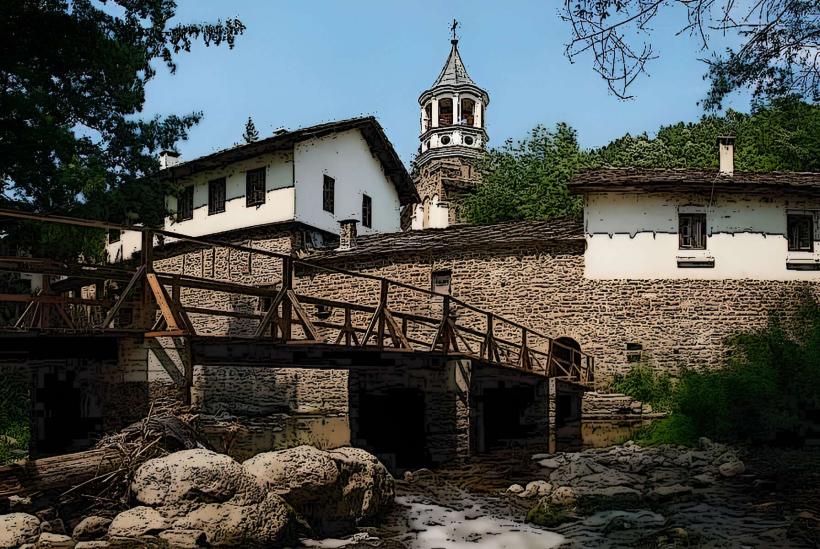
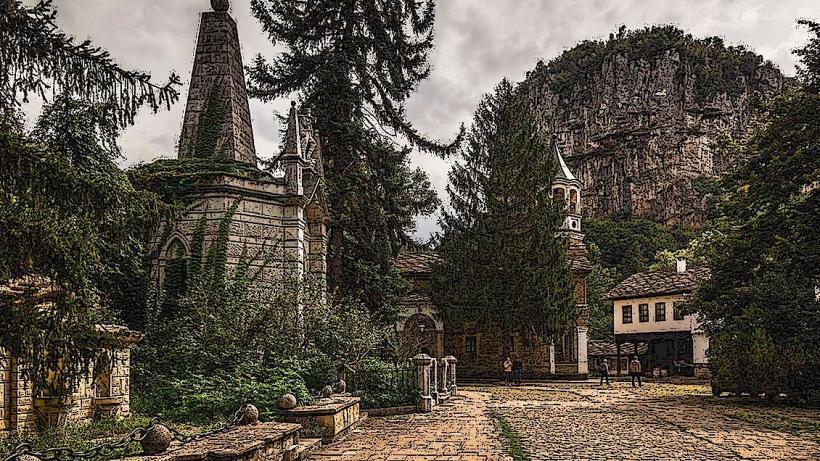
Dryanovo Monastery & Bacho Kiro Cave (25 km): A historical monastery set in a limestone gorge.
Nicopolis ad Istrum (20 km): Ruins of a significant Roman and early Byzantine city.
Emen Canyon (25 km): A natural gorge featuring a waterfall and eco-trail.
Facts & Legends
A persistent local legend concerns the "Secret Treasure of the Tsars." It is claimed that before the fall of Tsarevets to the Ottomans in 1393, the Bulgarian patriarch and royal family hid the imperial library and gold reserves in a complex of tunnels beneath the fortress. Despite centuries of searching, no such chamber has ever been discovered, though undocumented tunnels are frequently uncovered during archaeological excavations.