Information
Landmark: Etara Architectural-Ethnographic ComplexCity: Veliko Tarnovo
Country: Bulgaria
Continent: Europe
Etara Architectural-Ethnographic Complex, Veliko Tarnovo, Bulgaria, Europe
The Etara Architectural-Ethnographic Complex, commonly known as Etar, is an open-air museum located on the northern slopes of the Balkan Mountains near Gabrovo. It is a reconstructed 18th and 19th-century Bulgarian village designed to preserve and demonstrate the traditional crafts, architecture, and water-powered machinery of the Bulgarian National Revival period.
Visual Characteristics
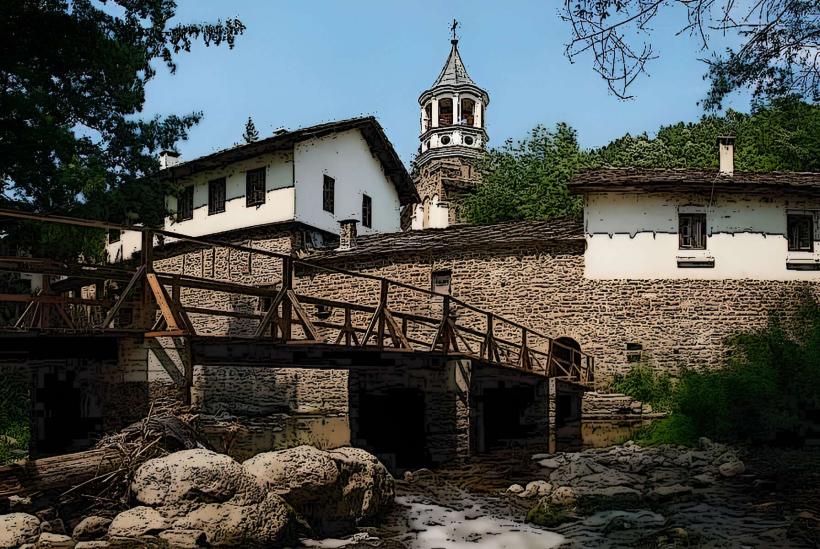
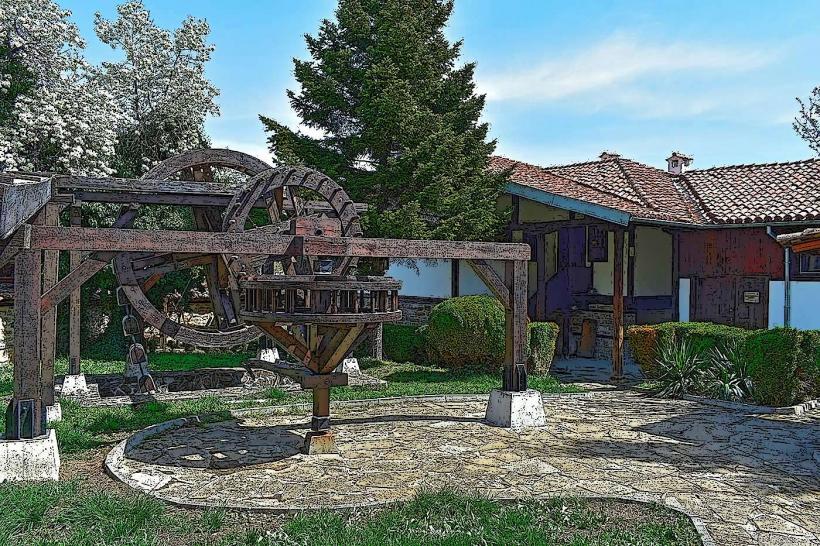
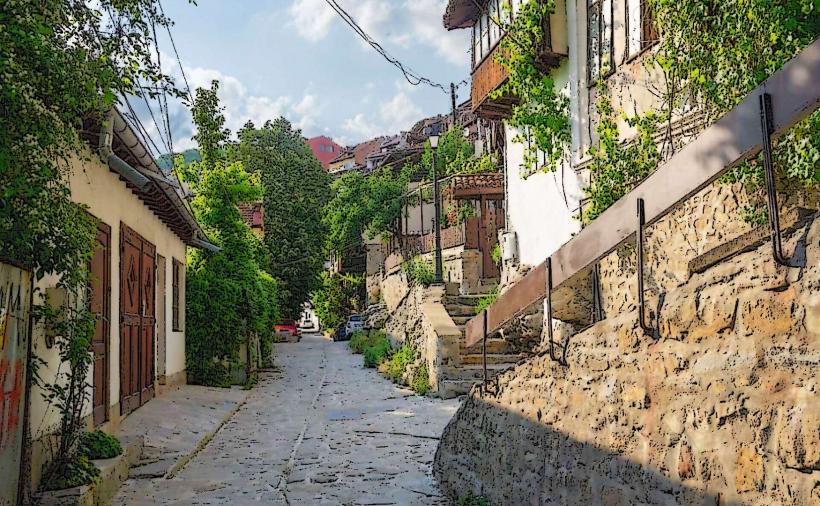
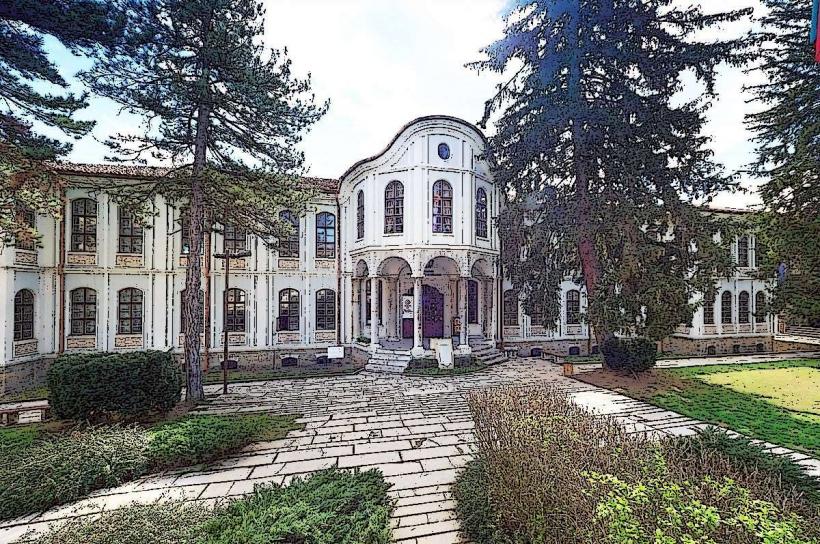
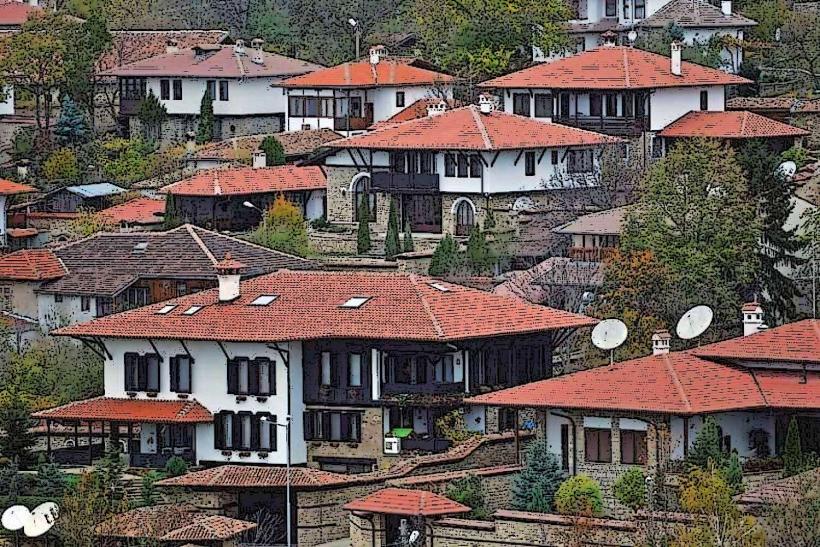
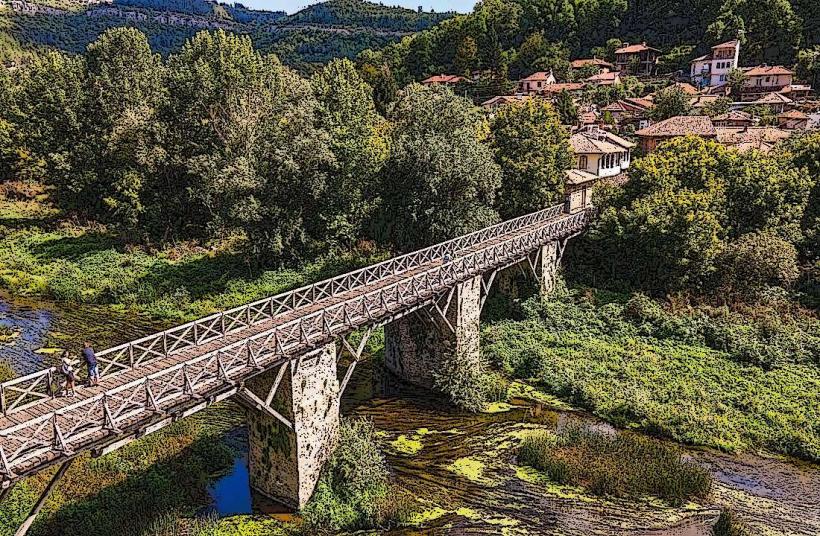
The complex features two-story timber-framed houses with white-washed walls, cantilevered upper floors, and heavy slate-tiled roofs. A central cobblestone street is lined with artisan workshops, while a system of stone-lined canals directs water from the Sivek River to various mechanical structures. The site includes a stone bridge, a traditional clock tower, and numerous wooden water wheels used for milling and fulling.
Location & Access Logistics
Etara is situated 8km south of the city of Gabrovo and approximately 50km southwest of Veliko Tarnovo via the I-5 national road. There is a large paved parking area at the main entrance. Regular municipal buses connect the Gabrovo city center to the museum (Line 1). Visitors traveling from Veliko Tarnovo can use the intercity bus to Gabrovo and transfer to the local line.
Historical & Ecological Origin
The complex was founded in 1964 by Lazar Donkov, who utilized both original structures moved from surrounding villages and meticulous reconstructions. It is situated within the Bulgarka Nature Park, a region characterized by dense beech and oak forests and a high concentration of mountain springs. The site was strategically chosen to utilize the natural hydropower of the Sivek River, continuing a centuries-old local tradition of water-based industry.
Key Highlights & Activities
Visitors can observe live demonstrations by master craftsmen in 16 different workshops, including woodcarving, pottery, silversmithing, and leatherworking. The "Water-Powered Installations" section features a working flour mill, a saw mill, and a unique 18th-century "valavitsa" (natural washing machine). Seasonal folk festivals and traditional craft bazaars occur regularly, allowing for the purchase of authentic handmade goods.
Infrastructure & Amenities
The site includes a traditional inn (Mehana) serving regional cuisine, several cafes, and a specialized bakery selling "simit" bread. Public restrooms are located near the entrance and at the central square. There is a dedicated visitor information center and a gift shop. 4G/5G cell signal is stable throughout the complex, and the lower paths are mostly accessible, though the cobblestones are uneven.
Best Time to Visit
The best months for a visit are May through September when all craft workshops are fully operational and the outdoor water machinery is in use. For photography, the early morning (09:00–10:30) provides soft light on the white facades and avoids the peak tourist crowds. The winter months offer a distinct aesthetic when the slate roofs are covered in snow, though some workshops may have limited hours.
Facts & Legends
Etara is the only museum in the Balkans that features a collection of functioning water-powered technical equipment in its original scale and environment. A local tradition suggests that drinking water from the "Sokolski" fountain within the complex ensures a return to the mountains. A specific tip is to visit the "Sugar Workshop" to see the production of "pestil," a traditional plum leather often referred to as "Gabrovo chocolate."
Nearby Landmarks
Sokolski Monastery – 3.5km South
Buzludzha Monument – 15.0km Southeast
Shipka Memorial Church – 13.5km South
National Museum of Education (Gabrovo) – 8.2km North
House of Humor and Satire (Gabrovo) – 9.0km North