Information
Landmark: Ethnographic Complex LyaskovetsCity: Veliko Tarnovo
Country: Bulgaria
Continent: Europe
Ethnographic Complex Lyaskovets, Veliko Tarnovo, Bulgaria, Europe
The Ethnographic Complex (or Museum) associated with Lyaskovets is a unique cultural institution located in the town of Lyaskovets in the Veliko Tarnovo Province of Central Northern Bulgaria.
While there is a smaller village named Lyaskovets in the Haskovo Province, the famous ethnographic site is the Museum of Gardening and Vegetable Production in the town of Lyaskovets. It is often referred to as an ethnographic complex because it preserves the specific lifestyle and "Gurbetchi" (migrant worker) traditions of the region.
Visual Characteristics
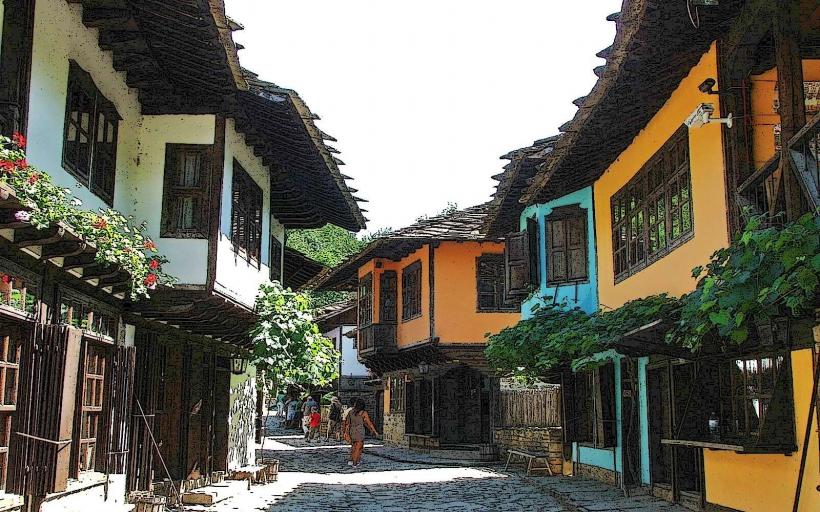
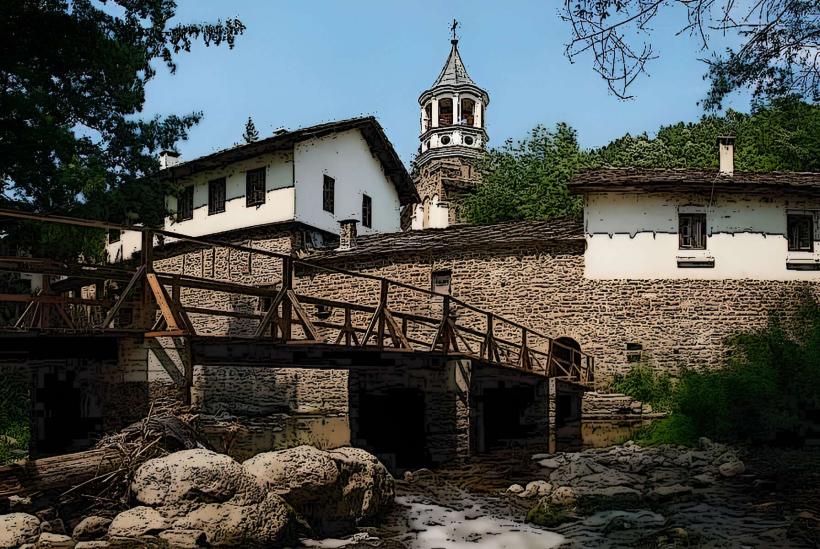
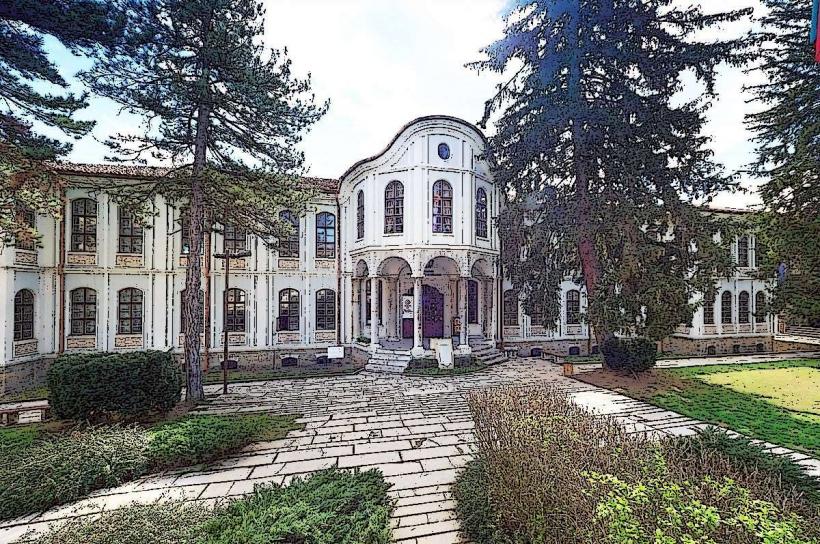
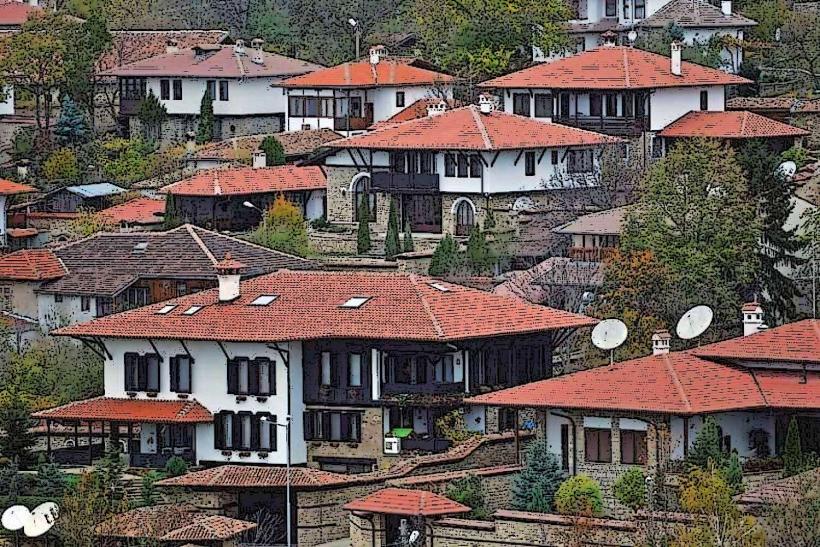
The complex is housed in a restored 19th-century National Revival-style building. It features a spacious inner courtyard with a large, functional wooden water wheel (dolap) used for irrigation, which is the centerpiece of the outdoor exhibition. The interior consists of several halls with low-vaulted ceilings and traditional wooden showcases displaying thousands of tools, original clothing, and historical photographs.
Location & Access Logistics
Address: 12 Petar Karaminchev Street, Lyaskovets 5140, Bulgaria.
Distance: Approximately 10 km northeast of Veliko Tarnovo and 2 km from Gorna Oryahovitsa.
Public Transit: Regular buses connect Veliko Tarnovo and Gorna Oryahovitsa to Lyaskovets. The museum is a short walk from the central town square.
Parking: Free street parking is typically available directly in front of the museum entrance.
Historical & Ecological Origin
The museum was established in 1974 to honor the "Lyaskovets gardeners," who were pioneers of commercial vegetable production in the 18th and 19th centuries. These gardeners traveled across Europe (specifically to Austria, Hungary, and Romania) to share their expertise, effectively introducing modern irrigation and gardening techniques to the continent. The site is located at the foot of the Arbanasi Plateau, an area historically rich in fertile soil and springs.
Key Highlights & Activities
The Garden Model: A scale plaster model of a traditional Bulgarian "bahcha" (vegetable garden) illustrating optimal labor distribution and irrigation.
The Irrigation Wheel: A massive wooden dolap (water wheel) that visitors can observe to understand pre-industrial engineering.
Ethnographic Collection: Over 600 items, including the specific "traveling trunks" and currencies from the countries where Lyaskovets gardeners worked.
Wine Tasting: The town is also famous for its sparkling wines; many visitors combine the museum tour with a visit to the nearby Lyaskovets Winery.
Infrastructure & Amenities
The facility is relatively small but well-maintained. It includes:
An information desk with multi-language brochures.
Public restrooms.
A shaded outdoor pavilion.
A small souvenir corner selling local seeds and craft items.
Note: Professional lectures are limited; visitors typically explore at their own pace.
Best Time to Visit
The best time to visit is from April to October to see the outdoor garden equipment and the greenery of the surrounding hills.
Standard Hours: Monday to Saturday, 08:00–12:00 and 13:00–17:00.
Weekends: Saturday visits are possible, but Sunday visits often require a prior request or group booking.
Facts & Legends
Local lore states that the "Lyaskovets Gardener" was the first true Bulgarian cosmopolite. A specific fact: in many European countries (especially Hungary and Romania), the word for "Bulgarian" (e.g., grădinar bulgar) became synonymous with a master gardener because of the influence of workers from this specific town.
Nearby Landmarks
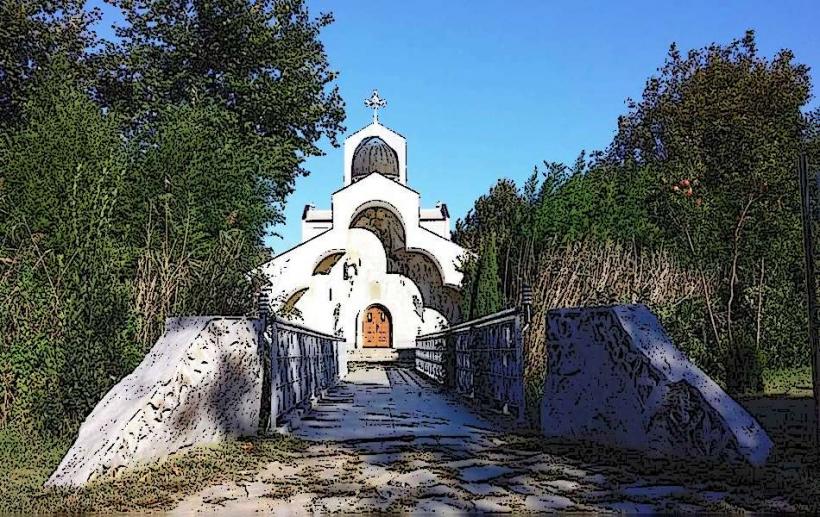
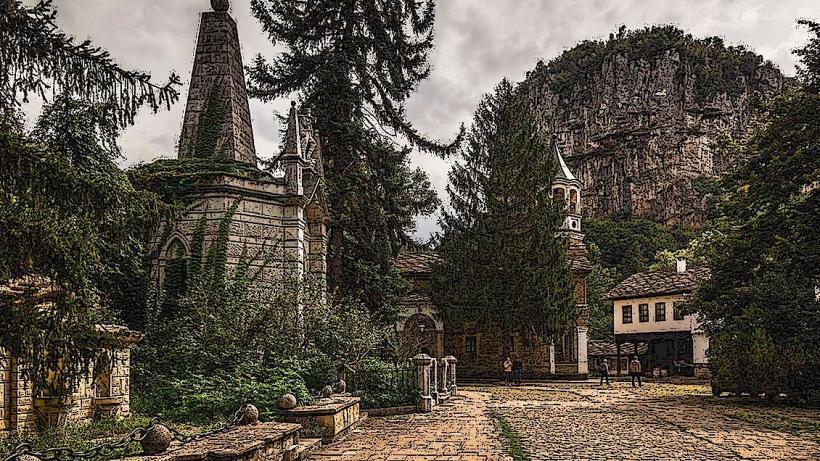
SS. Peter and Paul Monastery (Lyaskovets Monastery): 2.5 km Southwest (atop the cliff).
Arbanasi Architectural Reserve: 5 km West.
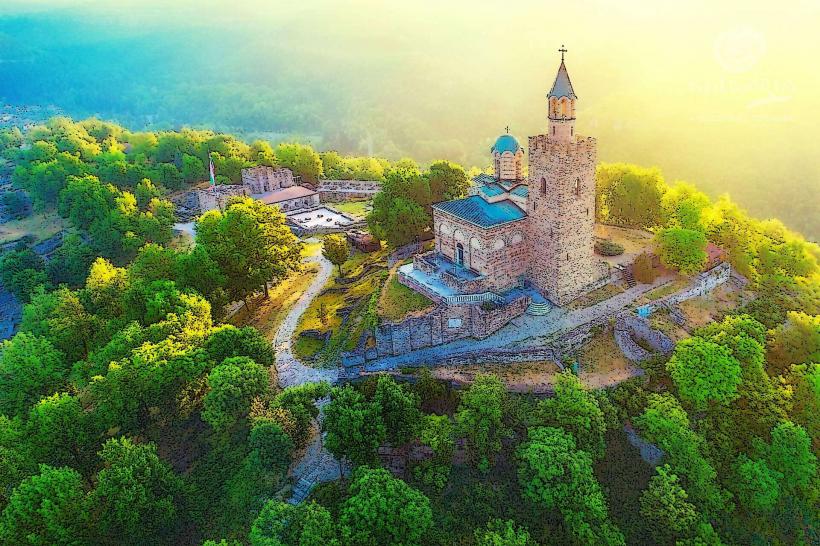
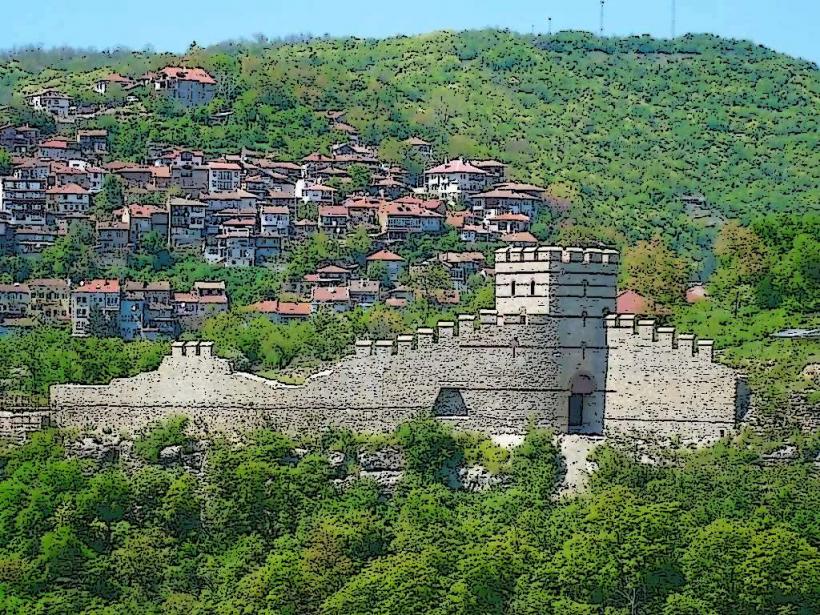
Tsarevets Fortress (Veliko Tarnovo): 9 km West.
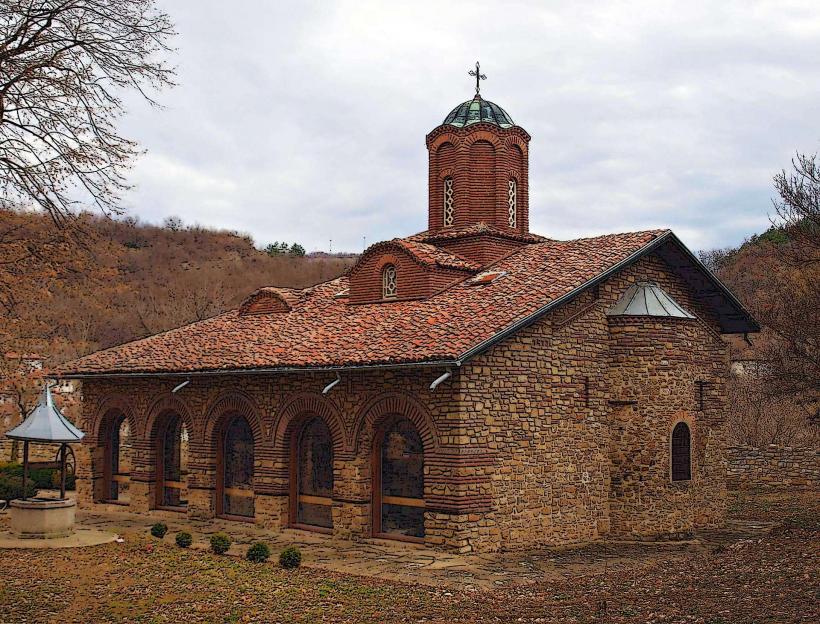
Church of St. Nicholas (Lyaskovets): 0.5 km North.