Information
Landmark: AdejeCity: Tenerife
Country: Canary Islands
Continent: Europe
Adeje, Tenerife, Canary Islands, Europe
Adeje is a municipality situated on the southwestern coast of Tenerife, one of Spain's Canary Islands. It encompasses a diverse landscape ranging from arid coastal plains to the mountainous terrain of the Adeje Massif.
Visual Characteristics
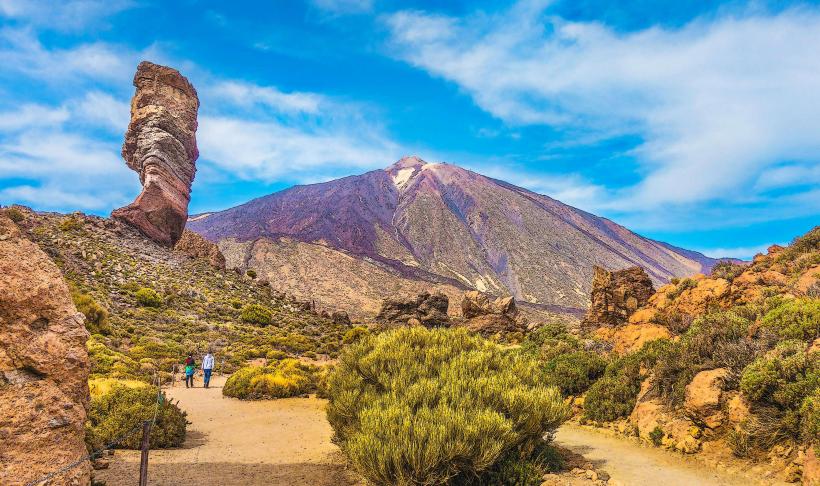
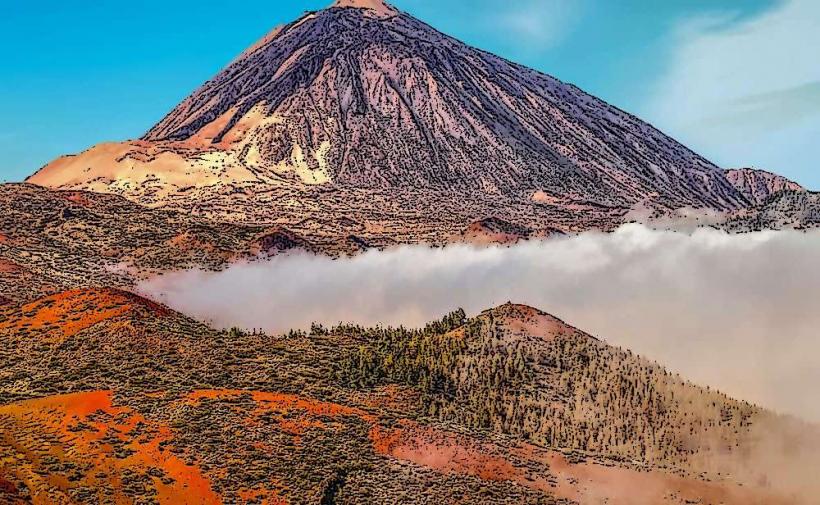
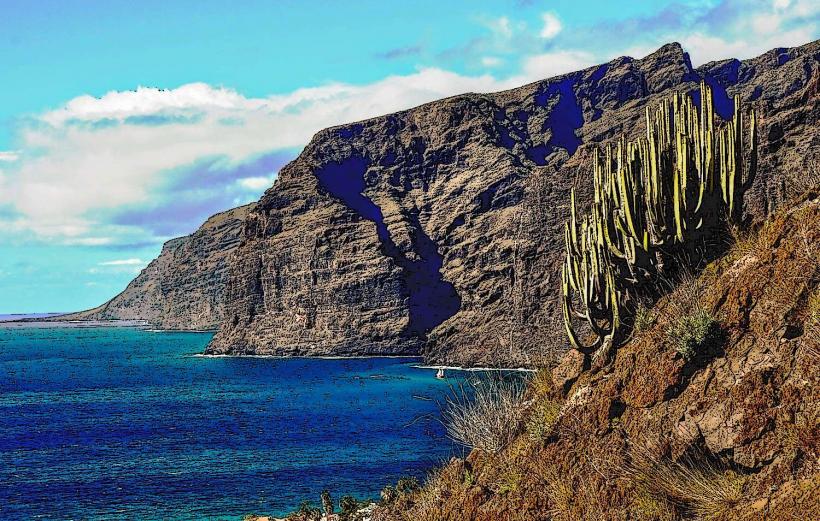
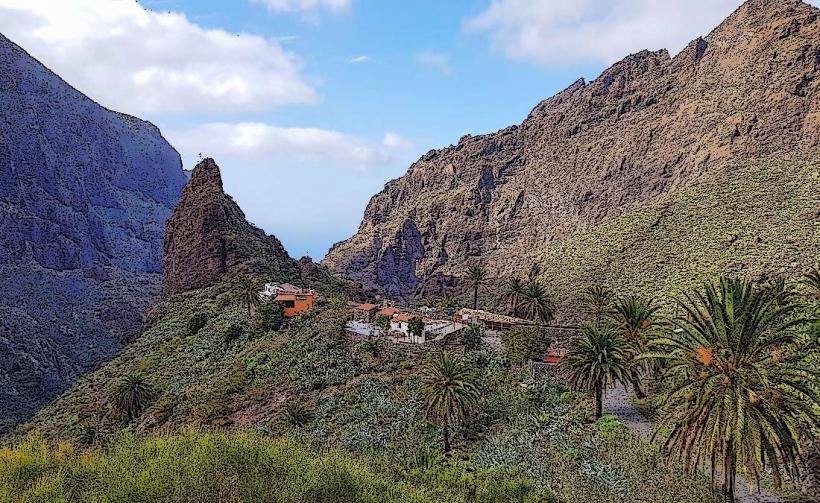
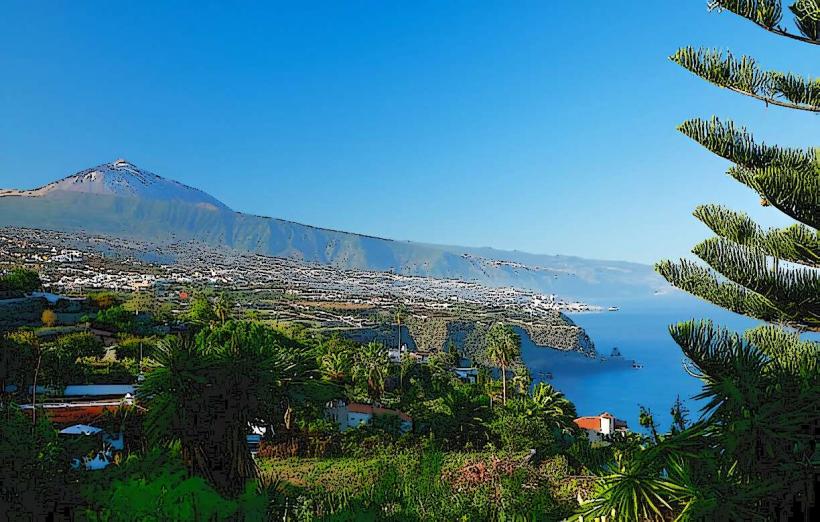
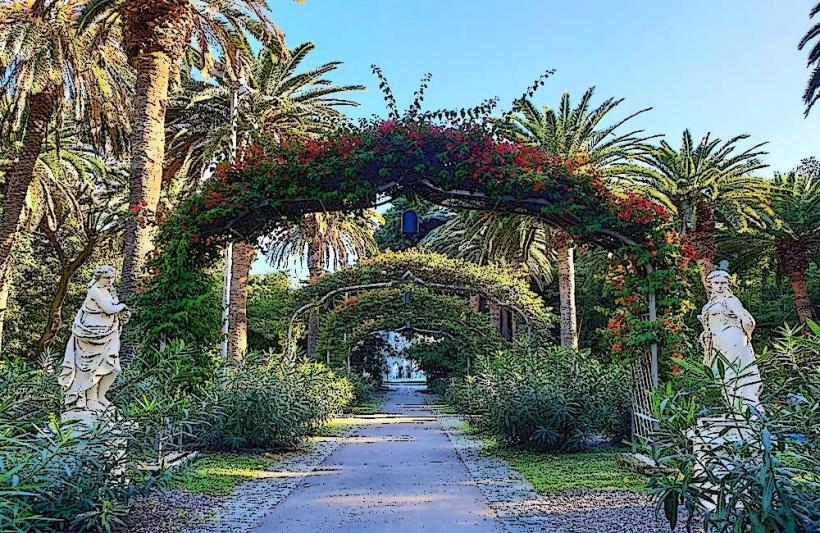
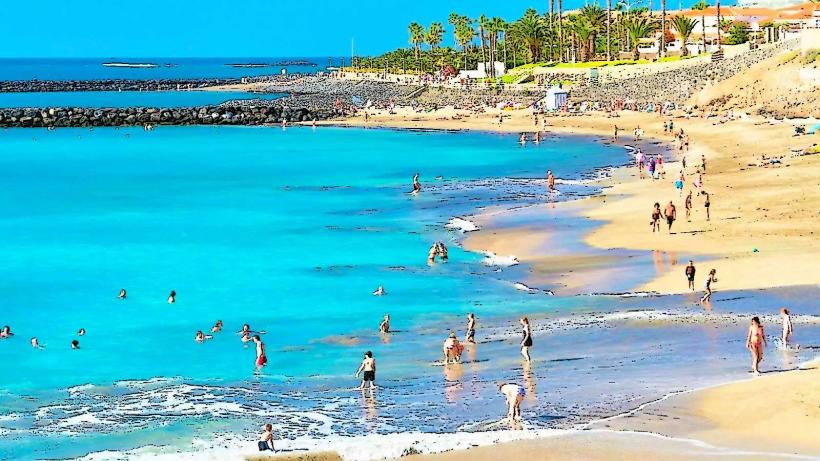
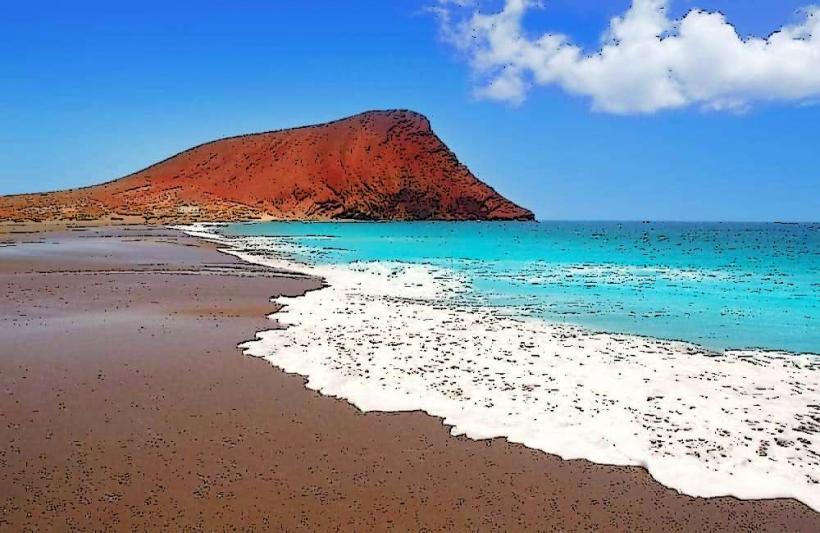
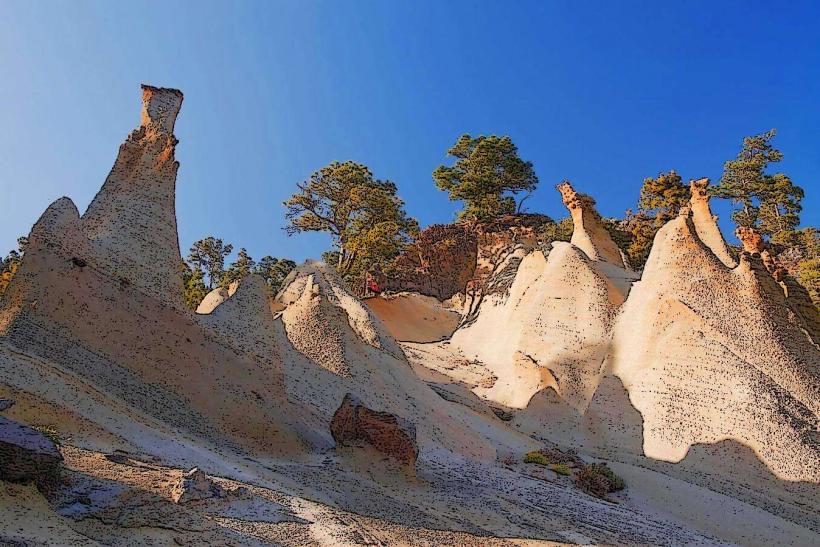
The municipality of Adeje features a landscape characterized by volcanic rock formations, deep barrancos (ravines), and a coastline with both black sand and imported golden sand beaches. Elevations vary significantly, from sea level along the Atlantic coast to over 1,000 meters in the interior. Vegetation primarily consists of xerophytic shrubs, palm groves, and cultivated areas, with more lush flora found in protected ravines.
Location & Access Logistics
Adeje is primarily accessed via the TF-1 motorway, which connects it to other major towns and the island's airports. The main town of Adeje is approximately 17 kilometers west of Tenerife South Airport (TFS) and 80 kilometers southwest of the capital, Santa Cruz de Tenerife. Parking is available in municipal car parks and designated street zones throughout the urban and coastal areas. Public transport is provided by Titsa bus lines, with routes such as 416, 417, and 473 serving various parts of the municipality and connecting to neighboring resorts like Playa de las Américas and Los Cristianos.
Historical & Ecological Origin
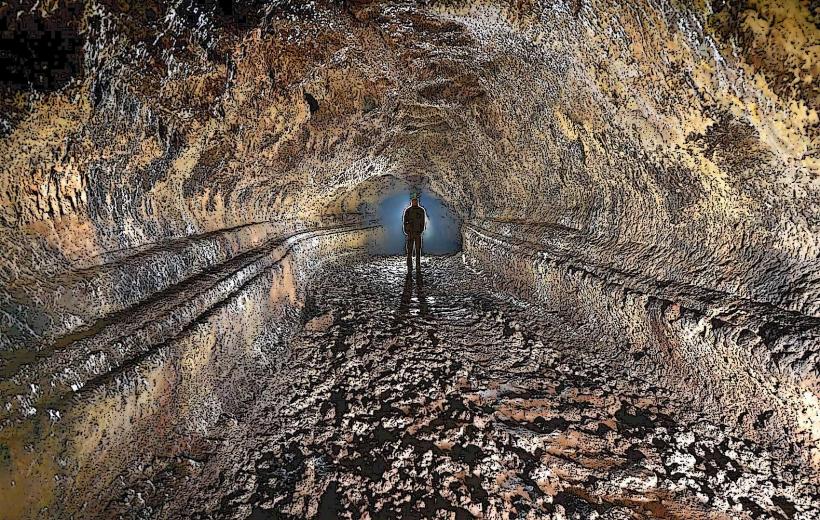
The area of Adeje was historically inhabited by the Guanches, the aboriginal people of the Canary Islands. Following the Castilian conquest in the 15th century, it became a significant agricultural center, particularly for sugar cane cultivation, and later for cochineal and bananas. Its modern development as a major tourist destination began in the mid-20th century. Ecologically, the region is shaped by its volcanic origins, with unique ecosystems adapted to arid conditions and the specific microclimates of its barrancos.
Key Highlights & Activities
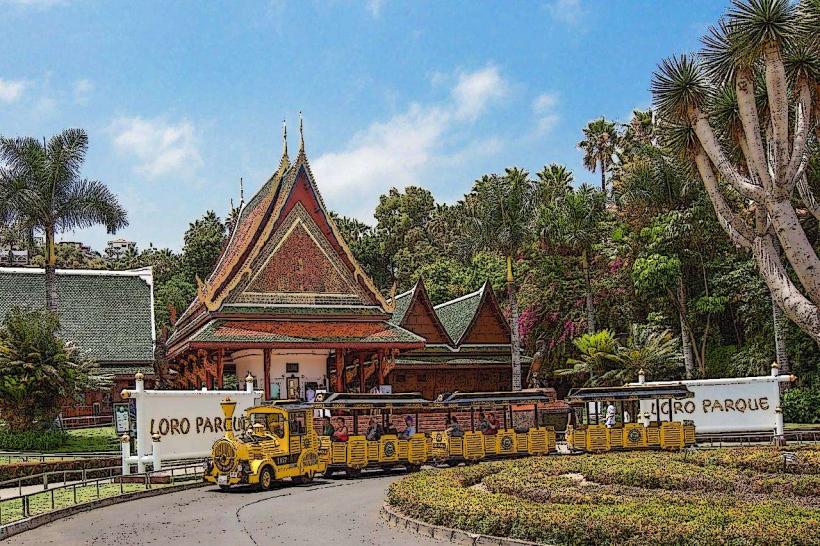
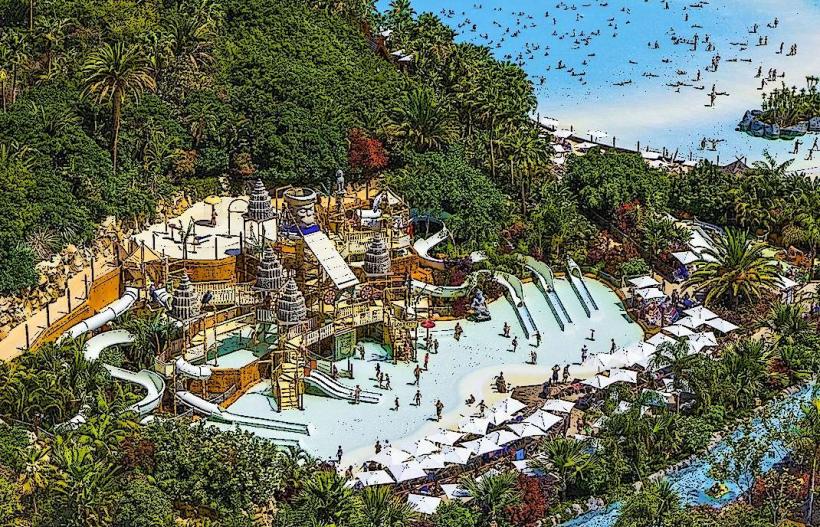
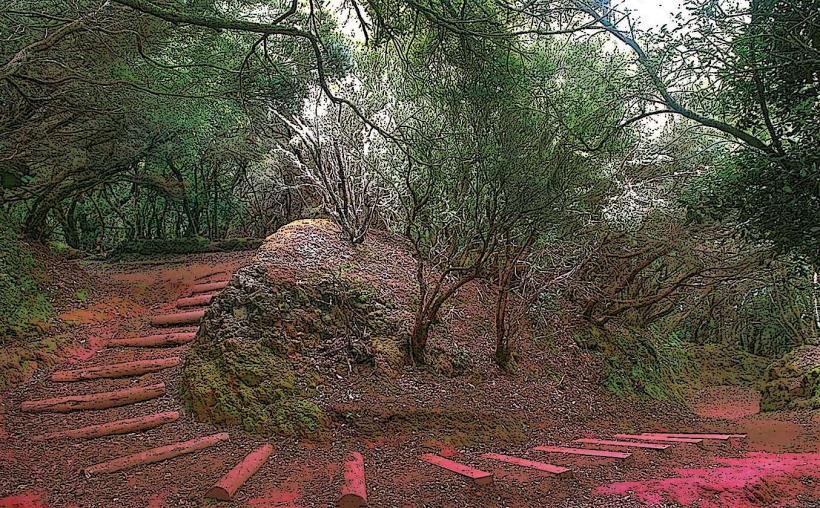
Hiking is possible along designated trails in the Barranco del Infierno nature reserve, which requires a pre-booked permit. Water sports, including jet skiing, parasailing, and paddleboarding, are available from beaches such as Playa Fañabé and Playa del Duque. Whale and dolphin watching excursions depart regularly from Puerto Colón. The municipality also hosts the water park Siam Park and the animal park Aqualand Costa Adeje.
Infrastructure & Amenities
Public restrooms are available at major beaches, commercial centers, and tourist attractions. Shade is provided by natural vegetation in parks and by rented parasols on organized beaches. Cell phone signal (4G/5G) coverage is generally strong across developed areas of the municipality. Numerous restaurants, cafes, supermarkets, and pharmacies are widely distributed throughout Adeje's urban and coastal zones.
Best Time to Visit
The best time to visit Adeje is during the spring (April-May) and autumn (September-October) months for pleasant temperatures and fewer visitors. Winter (November-March) offers consistently warm, sunny weather suitable for outdoor activities. Summer (June-August) is hot and experiences the highest visitor numbers. No specific tide requirements apply to general visitation, though marine activities may be influenced by tidal conditions.
Facts & Legends
The Barranco del Infierno is notable for being one of the few ravines on Tenerife with a permanent natural water flow, culminating in a small waterfall. Access is strictly controlled to preserve its delicate ecosystem, with a daily limit on visitors.
Nearby Landmarks
- Siam Park: 3.2km East
- Aqualand Costa Adeje: 2.5km East
- Playa del Duque: 4.0km South
- Puerto Colón: 3.5km Southeast
- Barranco del Infierno: 2.0km Northeast (from Adeje town center)