Information
Landmark: An Bang BeachCity: Hoi An
Country: Vietnam
Continent: Asia
An Bang Beach, Hoi An, Vietnam, Asia
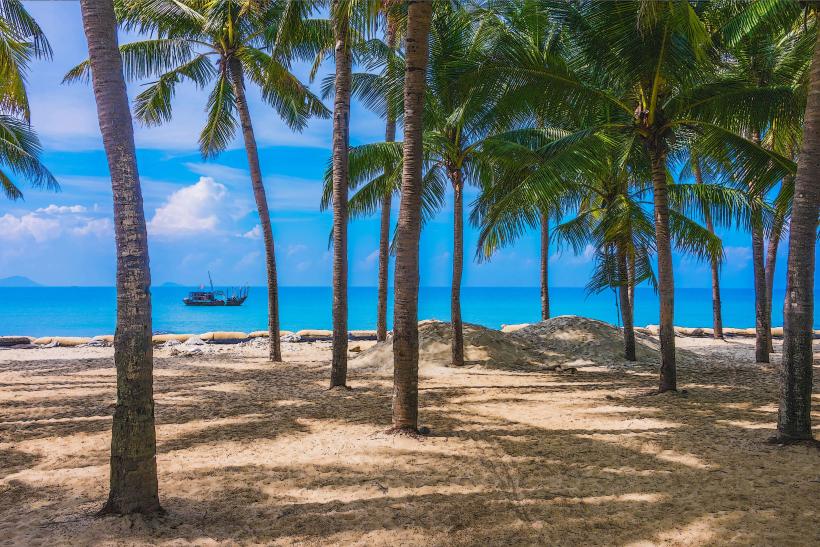
An Bang Beach is a coastal area situated west of Hoi An, Vietnam. It is known for its sandy shoreline and proximity to the city.
Visual Characteristics
The beach features a wide expanse of light-colored sand. The water color varies from light blue to turquoise depending on sunlight and depth. Vegetation along the immediate coastline consists of palm trees and low-lying shrubs. The shoreline extends approximately 4 kilometers.
Location & Access Logistics
An Bang Beach is located 4 kilometers west of Hoi An's Old Town. Access is primarily via provincial road DT607. Private vehicle parking is available at designated lots near the beach entrance, with a fee typically charged. Bicycle parking is also common. Public bus routes do not directly serve the beach; however, taxis and ride-sharing services are readily available from Hoi An.
Historical & Ecological Origin
An Bang Beach is a natural coastal formation. Its geological origin is tied to the deposition of sediment from the Thu Bon River delta over millennia, contributing to the formation of the sandy coastline. Ecologically, it is part of the Quang Nam province's coastal ecosystem, supporting marine life and coastal flora.
Key Highlights & Activities
Swimming is permitted in designated areas. Sunbathing on the sand is a primary activity. Several beachfront restaurants offer seating and food service. Kayak rentals are sometimes available during peak season. Walking the length of the beach is possible.
Infrastructure & Amenities
Restrooms are available at beachfront establishments. Shade is provided by natural palm trees and umbrellas at restaurants. Cell phone signal (4G) is generally consistent. Food vendors and restaurants are located directly on the beach.
Best Time to Visit
The best time for photography is generally between 8:00 AM and 10:00 AM for softer light. The dry season, from February to August, offers the most favorable weather conditions with lower rainfall. High tide can reduce the visible sand area. Low tide exposes more of the beach.
Facts & Legends
Local folklore suggests that the beach was once a landing point for ancient Cham traders. A specific tip for visitors is to explore the smaller coves at the southern end of the beach, which are less frequented.
Nearby Landmarks
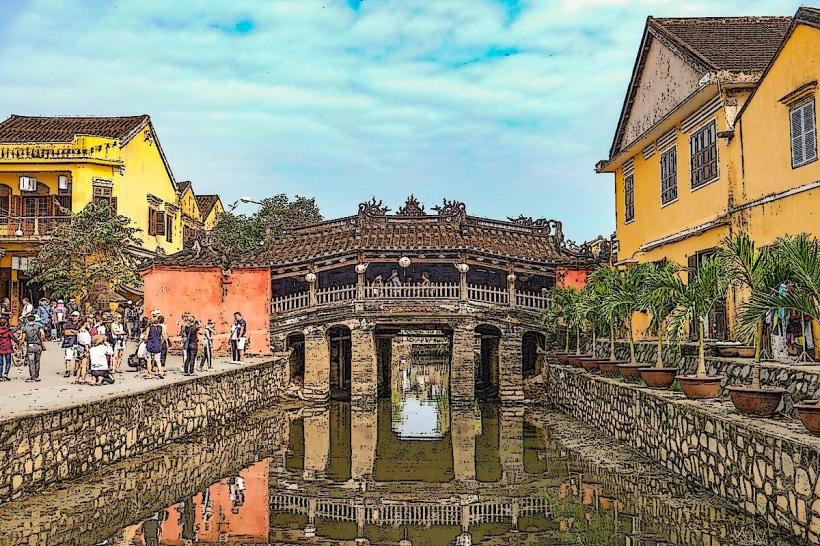
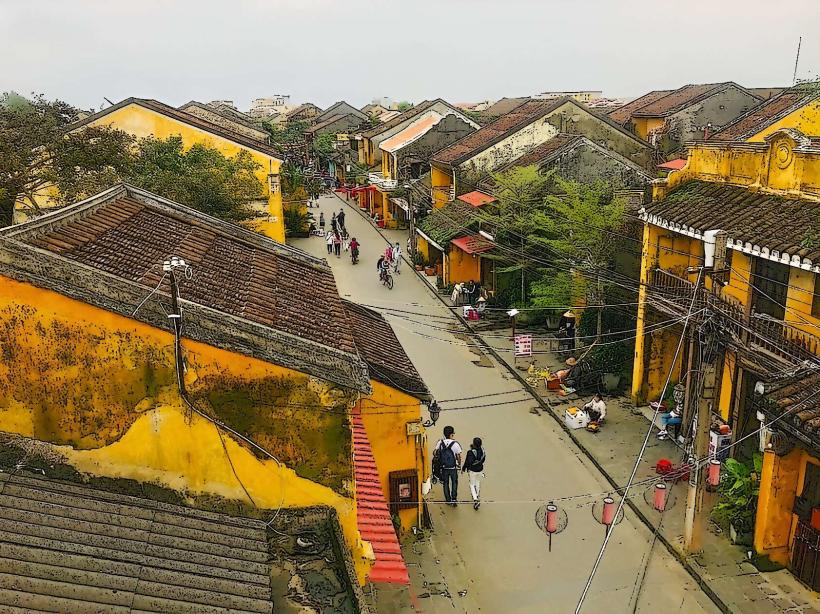
- Hoi An Ancient Town (4km East)
- Cua Dai Beach (2km Northeast)
- Tra Que Vegetable Village (3km North)
- My Son Sanctuary (35km Southwest)