Information
Landmark: Tra Que Vegetable VillageCity: Hoi An
Country: Vietnam
Continent: Asia
Tra Que Vegetable Village, Hoi An, Vietnam, Asia
Tra Que Vegetable Village is an organic farming community located on the outskirts of Hoi An, Vietnam.
This village cultivates a variety of herbs and vegetables using traditional methods.
Visual Characteristics
The village features rectangular plots of land, typically measuring 10x20 meters, arranged in a grid pattern. Soil color is dark brown to black. Irrigation canals, approximately 0.5 meters wide, run between the plots. Vegetation consists of dense rows of leafy greens, herbs, and root vegetables. Common crops include basil, mint, perilla, and various types of lettuce. The area is generally flat, with a maximum elevation change of 1 meter across the cultivated fields.
Location & Access Logistics
Tra Que Vegetable Village is situated 3 kilometers northeast of Hoi An's Ancient Town. Access is via the provincial road DT607, which connects Hoi An to the coast. From Hoi An city center, travel east on Tran Hung Dao Street, which becomes DT607. The village is clearly signposted. Parking is available at designated areas near the village entrance, with capacity for approximately 20 cars and 50 motorbikes. Public transport options include local bus routes that run between Hoi An and the nearby beaches, with a stop approximately 1 kilometer from the village. Bicycle rental is a common method of access for visitors staying within Hoi An.
Historical & Ecological Origin
The origins of Tra Que Vegetable Village are not precisely documented but are estimated to be over 300 years old. The village's agricultural practices are based on traditional methods passed down through generations, focusing on organic fertilization using seaweed harvested from the nearby Co Co River. The soil composition is naturally rich due to its proximity to the river and the sea. The ecological system is a managed agricultural landscape, characterized by intensive cultivation and water management.
Key Highlights & Activities
Visitors can participate in farming activities, including preparing the land, fertilizing with seaweed, and sowing seeds. Herb harvesting demonstrations are available. Cooking classes that utilize freshly picked ingredients are offered. Guided walking tours of the fields provide insight into cultivation techniques. Opportunities exist to learn about the local irrigation systems.
Infrastructure & Amenities
Restrooms are available at the village entrance and at designated farmhouses offering tours. Shade is provided by natural tree cover and temporary awnings in some areas. Cell phone signal (4G) is generally consistent throughout the village. Local food vendors and small restaurants are located at the village entrance, offering prepared meals and beverages.
Best Time to Visit
The best time of day for photography is early morning (7:00 AM - 9:00 AM) or late afternoon (4:00 PM - 6:00 PM) for softer light. The best months for visiting are from February to August, when the weather is drier and warmer. High tide is not a critical factor for visiting the village itself, but it can affect access to the nearby river.
Facts & Legends
A local legend states that the village's name, "Tra Que," originates from the fragrant herbs that grow abundantly in the area, particularly the "que" (pepper) plant. It is said that the unique flavor of the vegetables grown here is attributed to the mineral-rich soil and the traditional farming methods that avoid chemical fertilizers.
Nearby Landmarks
- Hoi An Ancient Town (3km Southwest)
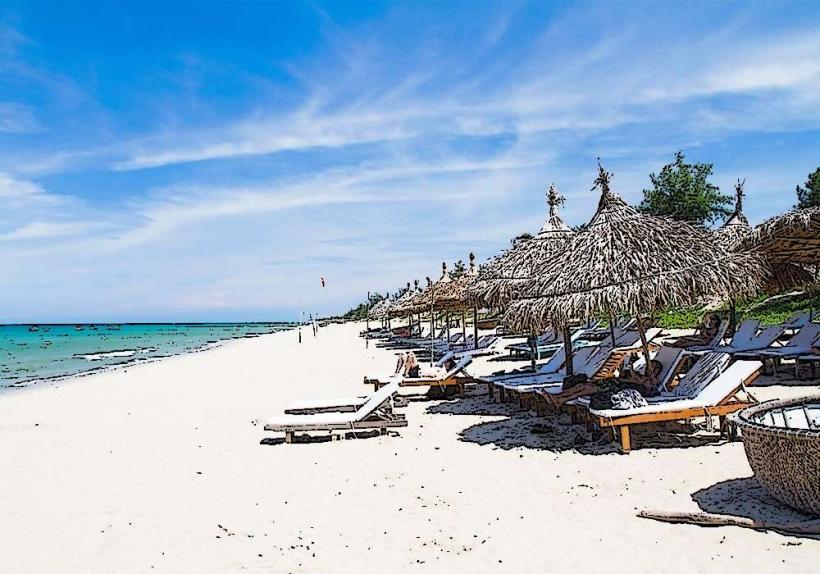
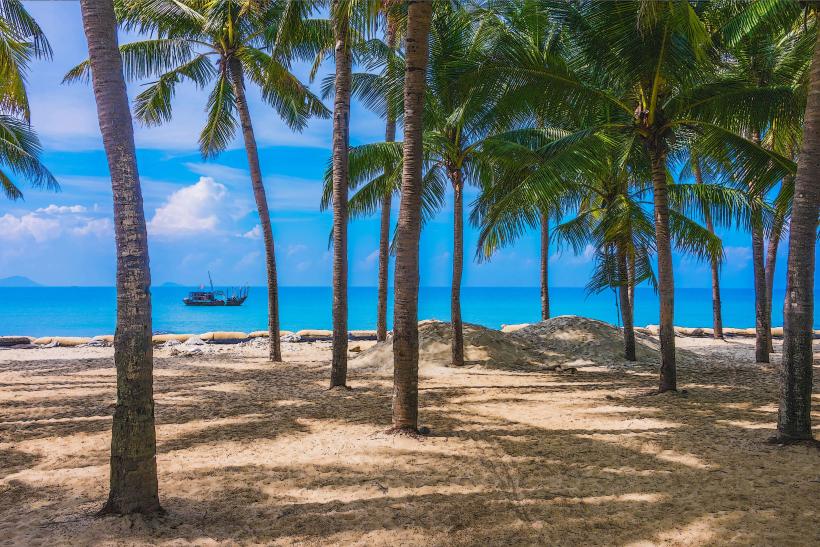
- An Bang Beach (4km East)
- Cua Dai Beach (5km Southeast)
- My Son Sanctuary (30km Southwest - outside 5km radius, but a significant nearby attraction)