Information
Landmark: Hoi An Ancient TownCity: Hoi An
Country: Vietnam
Continent: Asia
Hoi An Ancient Town, Hoi An, Vietnam, Asia
Hoi An Ancient Town is a well-preserved Southeast Asian trading port located in Vietnam's Quang Nam Province.
This UNESCO World Heritage site showcases a blend of indigenous and foreign influences that have shaped its architecture and urban layout over centuries.
Visual Characteristics
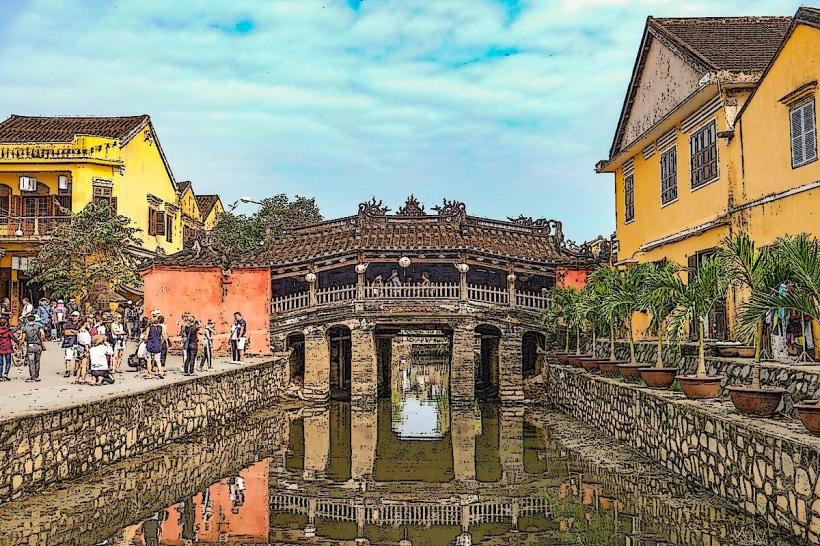
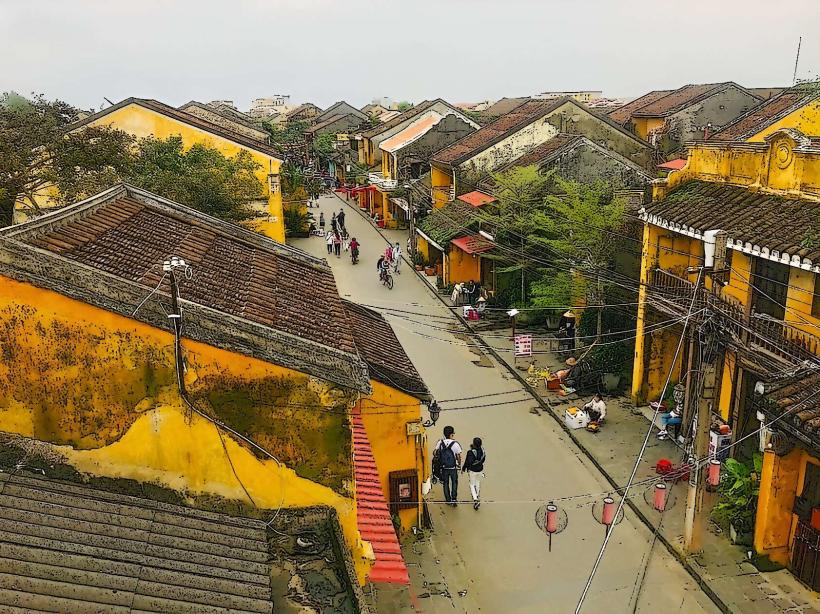
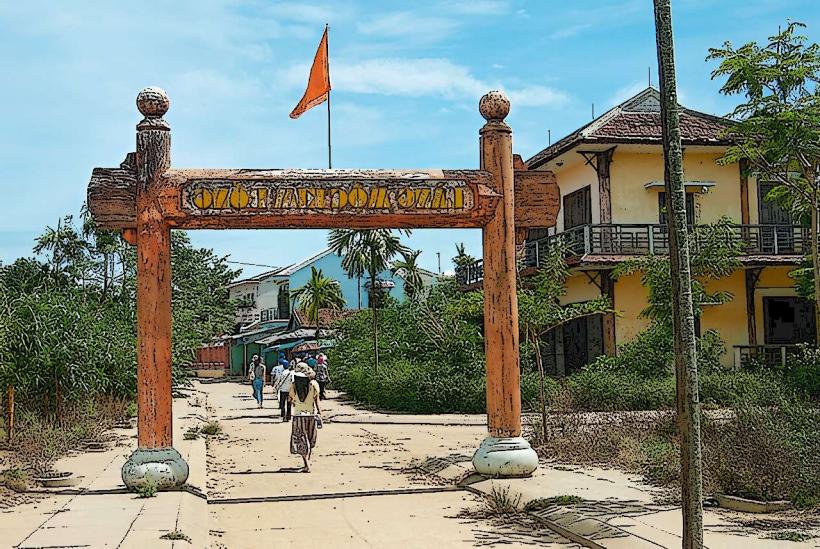
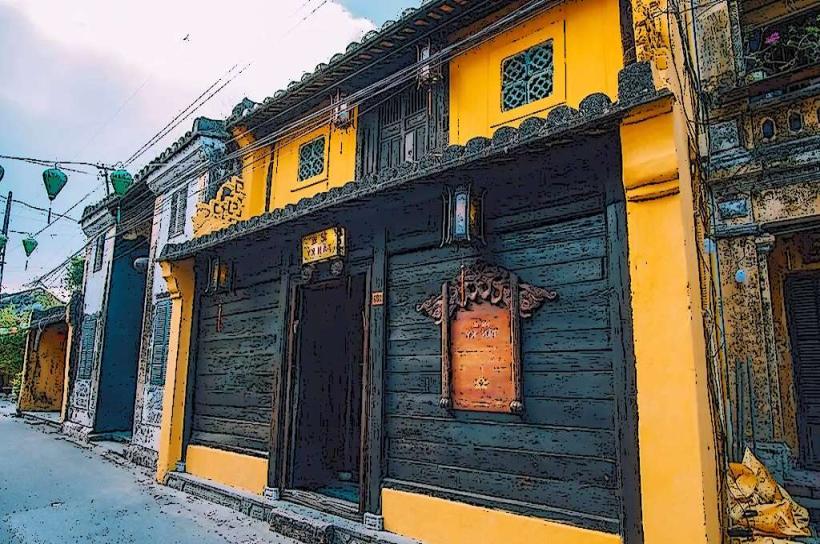
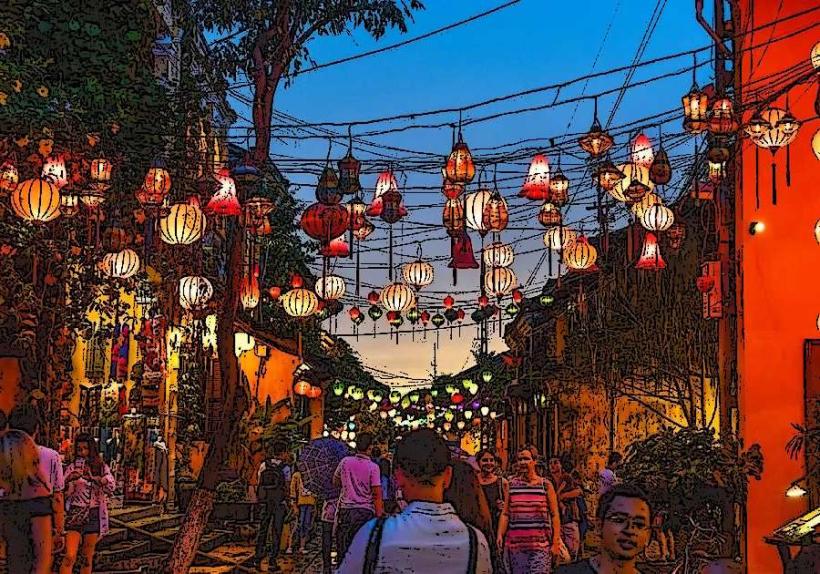
The town features narrow streets lined with traditional wooden shophouses, many painted in ochre yellow. Buildings are typically two stories high, constructed from wood and tile, with tiled roofs. Architectural styles reflect Chinese, Japanese, and European influences, evident in elements like curved roofs, decorative carvings, and balconies. The Thu Bon River flows through the town, with stone bridges connecting its banks.
Location & Access Logistics
Hoi An Ancient Town is situated approximately 30 kilometers south of Da Nang International Airport (DAD). Access from Da Nang involves a 45-minute taxi or private car ride via National Route 1A and then Provincial Road 603. Within Hoi An, the ancient town is largely pedestrianized, with limited vehicle access during specific hours. Parking is available at designated lots on the outskirts of the town, such as the Central Parking Lot near the Japanese Covered Bridge.
Historical & Ecological Origin
Hoi An was a major trading port from the 15th to the 19th century, established by Vietnamese rulers. Its strategic location on the Thu Bon River facilitated trade with merchants from China, Japan, Portugal, the Netherlands, and India. The town's layout and architecture are a direct result of its function as an international hub, with distinct quarters for different foreign communities.
Key Highlights & Activities
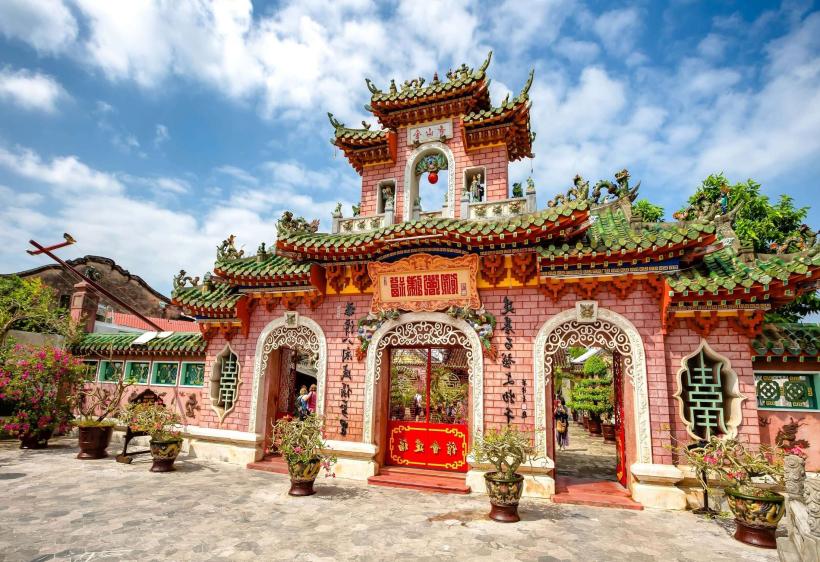
Visitors can explore the Japanese Covered Bridge, a 16th-century structure with a temple inside. The Assembly Halls, such as the Fujian Assembly Hall and the Cantonese Assembly Hall, offer insights into the town's Chinese merchant history. Walking tours of the ancient streets are recommended. Boat trips on the Thu Bon River are available, particularly at sunset. Tailoring services are a prominent activity, with numerous shops offering custom-made clothing.
Infrastructure & Amenities
Restrooms are available at various public points and within many establishments. Shade is provided by building overhangs and trees along some streets. Cell phone signal (4G/5G) is generally good throughout the town. Food vendors and restaurants are abundant within and immediately surrounding the ancient town.
Best Time to Visit
The best time of day for photography is early morning (6:00 AM - 8:00 AM) or late afternoon (4:00 PM - 6:00 PM) to avoid harsh sunlight and crowds. The dry season, from February to August, offers pleasant weather. The town experiences high tides during the lunar cycle, which can lead to localized flooding on certain streets, particularly during the rainy season (September to January).
Facts & Legends
A local legend states that the Japanese Covered Bridge was built by the monkey and dog zodiac animals, with construction beginning in the Year of the Monkey and completed in the Year of the Dog. The town's distinctive yellow color is said to have originated from a period when the town was prosperous, and residents painted their houses yellow to reflect this wealth.
Nearby Landmarks
- Japanese Covered Bridge (0.1km West)
- Fujian Assembly Hall (0.3km South)
- Hoi An Market (0.4km Southwest)
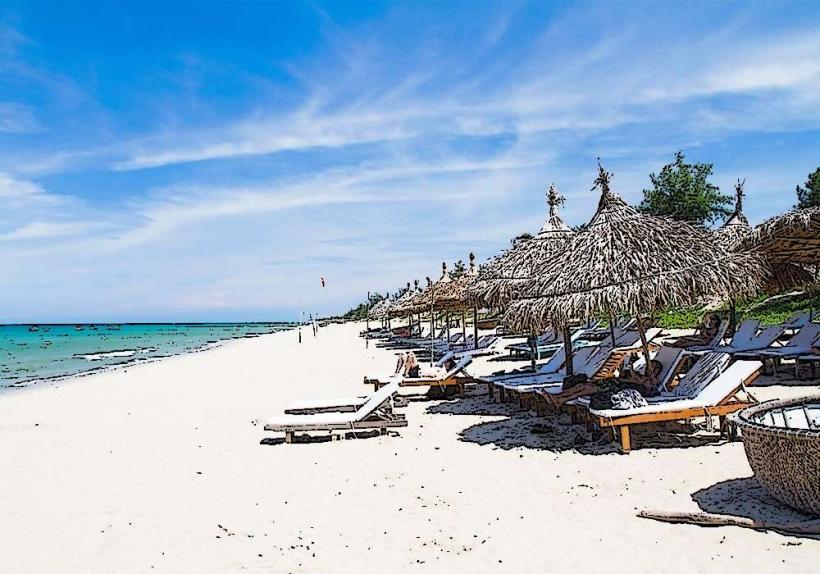
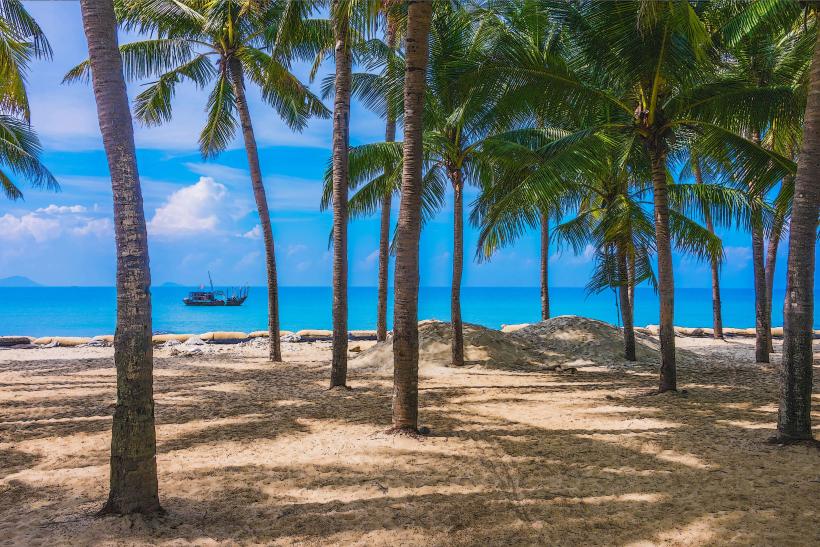
- An Bang Beach (4.5km East)
- My Son Sanctuary (40km Southwest)