Information
Landmark: Kim Bong Carpentry VillageCity: Hoi An
Country: Vietnam
Continent: Asia
Kim Bong Carpentry Village, Hoi An, Vietnam, Asia
Kim Bong Carpentry Village is a traditional craft village located on Cam Kim Island, across the Thu Bon River from Hoi An, Vietnam.
This village specializes in woodworking and has been a center for carpentry for centuries.
Visual Characteristics
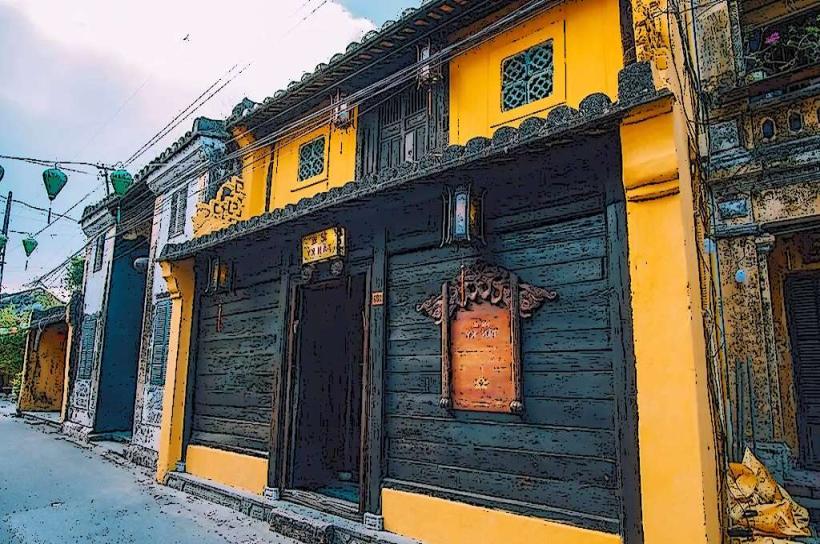
The village consists of numerous workshops and homes constructed primarily from wood, often featuring dark, aged timber. Roofs are typically tiled with traditional Vietnamese ceramic tiles. The workshops display a variety of unfinished and finished wooden products, including furniture, decorative items, and architectural components. The surrounding environment is rural, with rice paddies and the river providing a natural backdrop.
Location & Access Logistics
Kim Bong Carpentry Village is situated approximately 4 kilometers southwest of Hoi An's Ancient Town. Access is primarily via the Cam Kim Bridge, which connects to National Highway 140. Alternatively, visitors can take a boat from the Hoi An riverfront, a journey of about 15-20 minutes. Parking is available at designated areas within the village, though space can be limited during peak times. Local buses do not directly service the village; transport is typically by private car, taxi, motorbike, or boat.
Historical & Ecological Origin
The origins of Kim Bong Carpentry Village date back to the 15th century, when artisans from northern Vietnam migrated south. They brought advanced carpentry techniques, particularly in shipbuilding and architectural construction. The village historically supplied skilled woodworkers for the construction and repair of ships in the port of Hoi An and for the elaborate buildings within the Ancient Town. The local wood resources, historically abundant, contributed to the development of the craft.
Key Highlights & Activities
Visitors can observe artisans at work, demonstrating traditional joinery and carving techniques. Demonstrations of wood carving and furniture making are often available. Opportunities exist to purchase handcrafted wooden items directly from the workshops. Some workshops offer short classes where visitors can try basic woodworking tasks. Walking through the village allows for viewing traditional house architecture.
Infrastructure & Amenities
Basic restroom facilities are available at some larger workshops and designated visitor points. Shade is provided by the structures of the workshops and the natural canopy of trees. Cell phone signal (4G/5G) is generally reliable within the village. Food vendors are present, offering local snacks and beverages, with small eateries located near the main access points.
Best Time to Visit
The best time of day to visit for observing active workshops is generally between 8:00 AM and 5:00 PM. The dry season, from February to August, offers the most pleasant weather conditions. Visiting during weekdays may provide a more authentic view of daily operations compared to weekends, which can be busier with tourists.
Facts & Legends
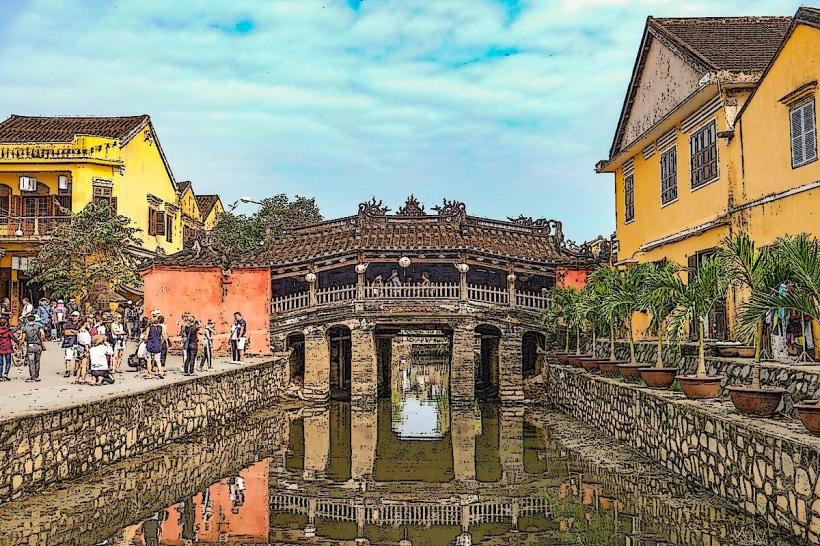
A notable historical contribution of Kim Bong carpenters was their involvement in the construction and repair of Cham towers and the intricate wooden structures of Hoi An's Japanese Covered Bridge. Local lore suggests that the quality of wood sourced from the nearby forests was so exceptional that it could withstand centuries of use, a testament to the artisans' skill in selecting and working with materials.
Nearby Landmarks
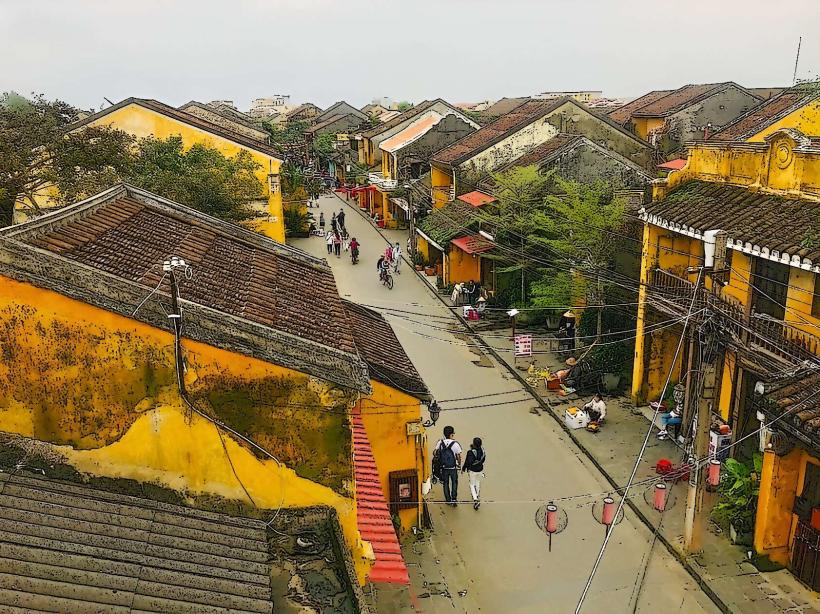
- Hoi An Ancient Town (4km Northeast)
- Tra Que Vegetable Village (5km East)
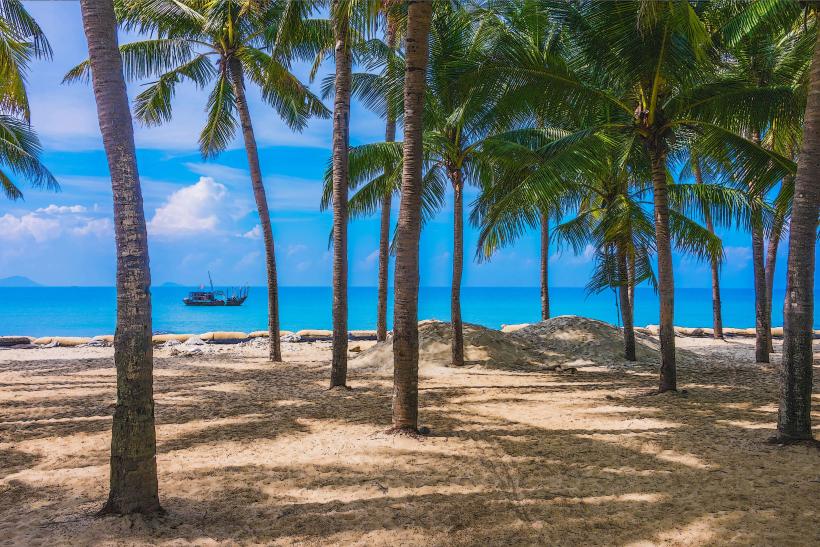
- An Bang Beach (6km Southeast)
- My Son Sanctuary (35km Southwest)