service

Japanese Covered Bridge | Hoi An


Information

Landmark: Japanese Covered Bridge
City: Hoi An
Country: Vietnam
Continent: Asia

Japanese Covered Bridge, Hoi An, Vietnam, Asia

Overview

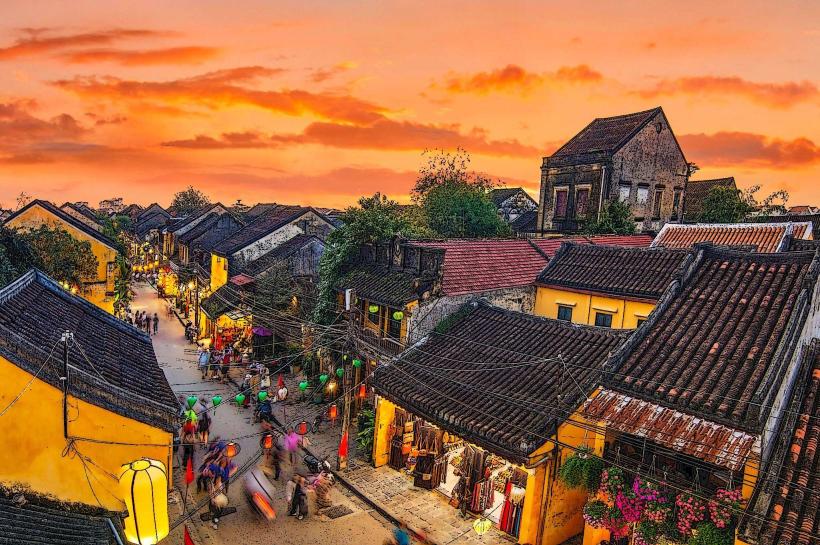
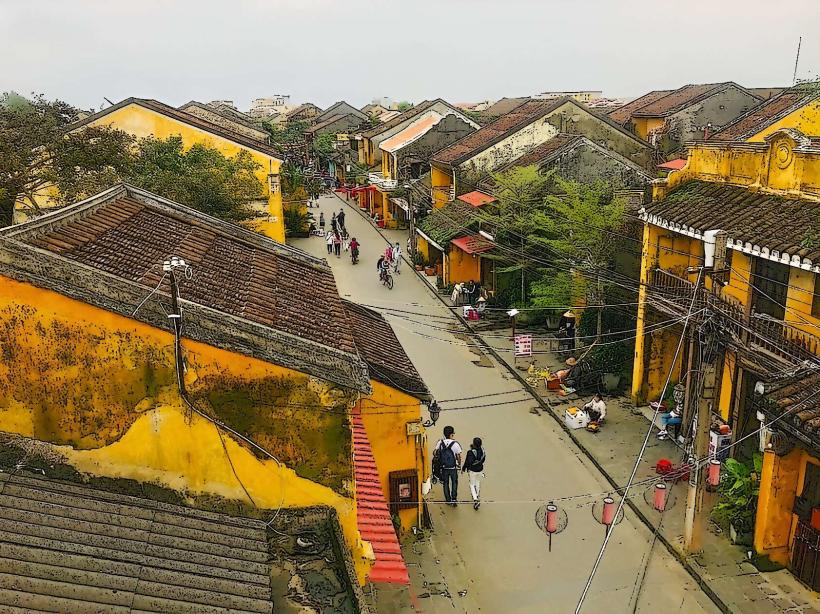
Japanese Covered Bridge – A Historic Icon of Hoi An The Japanese Covered Bridge (Chùa Cầu) is one of the most iconic landmarks in Hoi An, Vietnam, and a symbol of the town’s rich cultural history, also built during the 16th century, this picturesque wooden bridge reflects the town’s historical significance as a bustling trade port where Japanese, Chinese, and Vietnamese cultures intersected.Key Features of the Japanese Covered Bridge 1, to boot historical Significance The Japanese Covered Bridge was constructed by the Japanese community in Hoi An around 1593, during a time when the town was a major trade port.The bridge was built to connect the Japanese quarter of the town with the Chinese section, symbolizing the cooperation between these two communities, also at the time, the Japanese merchants who lived in the town had faced challenges in crossing the Thu Bon River, so the bridge served as a convenient passage for them to tour between the commercial districts of the town.The bridge has withstood centuries of wear and tear, making it a remarkable example of Japanese-inspired architecture and an enduring symbol of Hoi An's diverse history.2, equally important unique Architecture The Japanese Covered Bridge is a wooden structure with a tiled roof, reflecting the typical Japanese style of covered bridges, which were designed to protect pedestrians from both the sun and rain, sort of The bridge is approximately 18 meters in length, with a pagoda-style roof at both ends, creating a unique aesthetic, equally important the bridge features a compact temple (known as Chùa Cầu ) at one end, dedicated to the Taoist god Thủy Tinh, who is believed to protect the town from natural disasters.The bridge has a distinctive stone base, and its architecture is a blend of Japanese, Chinese, and Vietnamese influences, which is indicative of the multicultural exchange that took venue in Hoi An over the centuries.3, besides sculptural Details On the eastern side of the bridge, you can find stone statues of two animals : a monkey and a dog.These are thought to be symbolic of the Chinese zodiac, with the monkey representing the year of the monkey and the dog representing the year of the dog, likewise the bridge is said to have been completed in the Year of the Monkey and repairs made in the Year of the Dog, under certain circumstances The bridge’s wooden beams and intricate carvings add to its charm, giving visitors a glimpse into the traditional craftsmanship and attention to detail of the era.4, what’s more role in Local Culture The Japanese Covered Bridge has become more than just a functional piece of infrastructure.I think, It is now an essential symbol of Hoi An’s heritage, representing the town’s historical and cultural ties to both Japan and China, also the bridge is not just a popular tourist attraction but also a central part of local festivals and events.It is particularly popular during the Hoi An Lantern Festival, when the bridge is illuminated with colorful lanterns, creating a magical atmosphere along the river.5, on top of that location and Access The Japanese Covered Bridge is located in the heart of Hoi An Ancient Town, making it easily accessible for visitors.As it turns out, It is a short amble from other major attractions in the town, such as the Hoi An Market and Chua Ong Temple, consequently the bridge is situated near the Thu Bon River, and visitors can explore the surrounding area, enjoying the picturesque streets of Hoi An, filled with shops, restaurants, and artisan markets.6, a little Significance in Modern-Day Hoi An The Japanese Covered Bridge is an iconic landmark not only in Hoi An but in Vietnam as a whole, to boot it is featured on the Hoi An city’s emblem and is a symbol of the town’s historical significance as a cultural crossroads.It remains one of the most photographed structures in Hoi An and is a must-detect attraction for any visitor to the town, after that best Time to Visit The best time to visit the Japanese Covered Bridge is during the morning or early evening, when the light is perfect for photography and the crowds are typically smaller, mildly The bridge is especially enchanting during the Hoi An Lantern Festival (held on the 14th day of each lunar month ), when the bridge and the town are illuminated with colorful lanterns, creating a stunning visual experience, as a result how to Get There The Japanese Covered Bridge is located within Hoi An Ancient Town, which is a pedestrian-friendly area.It is within walking distance from most hotels and guesthouses in the timeworn Town, alternatively visitors can easily access the bridge by walking through the charming streets of Hoi An, enjoying the scenery and local shops along the way.Why Visit the Japanese Covered Bridge, and the Japanese Covered Bridge is an architectural masterpiece that captures the historical essence of Hoi An.It represents the town’s cultural diversity, serving as a reminder of the Japanese influence during the town’s rise as an necessary trading port, equally important visiting this bridge offers not only a glimpse into the town’s past but also the chance to experience its timeless beauty, under certain circumstances Whether you're a history enthusiast, an architecture lover, or simply looking for an iconic photo opportunity, the Japanese Covered Bridge is a must-visit in Hoi An.
Author: Tourist Landmarks
Date: 2025-09-16


Location

Get Directions


Rate it

You can rate it if you like it


Share it

You can share it with your friends


Contact us

Inform us about text editing, incorrect photo or anything else

Contact us

Landmarks in Hoi An

Hoi An Ancient Town
Landmark

Hoi An Ancient Town

Hoi An | Vietnam
An Bang Beach
Landmark

An Bang Beach

Hoi An | Vietnam
Cua Dai Beach
Landmark

Cua Dai Beach

Hoi An | Vietnam
Tra Que Vegetable Village
Landmark

Tra Que Vegetable Village

Hoi An | Vietnam
Kim Bong Carpentry Village
Landmark

Kim Bong Carpentry Village

Hoi An | Vietnam
Tan Ky Old House
Landmark

Tan Ky Old House

Hoi An | Vietnam
Phuc Kien Assembly Hall
Landmark

Phuc Kien Assembly Hall

Hoi An | Vietnam
Hoi An Night Market
Landmark

Hoi An Night Market

Hoi An | Vietnam


Latest Landmarks

Ponta do Sinó

Santa Maria | Cabo Verde

Ribeira das Patas

Porto Novo City | Cabo Verde

Cidade Velha Harbor

Cidade Velha | Cabo Verde

Miragem Desert

Espargos | Cabo Verde

Salt Mine Tunnels

Pedra de Lume | Cabo Verde

Tourist Landmarks ® All rights reserved