Information
Landmark: Ancient Theatre of OhridCity: Ohrid
Country: North Macedonia
Continent: Europe
Ancient Theatre of Ohrid, Ohrid, North Macedonia, Europe
Visual Characteristics
The theatre is constructed primarily from local limestone and marble, featuring a semicircular orchestra and tiered seating (cavea). Its current state reveals a partially restored structure, with the lower rows of seating and the orchestra pit clearly visible. The theatre faces east, offering views towards Lake Ohrid from its upper sections. It has an estimated original capacity of 4,000 to 5,000 spectators.
Location & Access Logistics
The Ancient Theatre is situated on the slopes of Gorni Saraj, approximately 0.5 kilometers uphill from Ohrid's main square (Ploštad Sveti Kliment Ohridski). Access is primarily by foot through the narrow, cobbled streets of the Old Town. Limited street parking may be available on surrounding streets like Ilindenska, but it is generally advised to park closer to the city center and walk. Public transport options are limited directly to the site; local buses serve the lower parts of the Old Town, requiring an uphill walk.
Historical & Ecological Origin
Construction of the Ancient Theatre began in the Hellenistic period, around 200 BCE, making it the only Hellenistic-style theatre in North Macedonia. It was later expanded and modified during the Roman period. Its original purpose was for Greek drama, but under Roman rule, it was adapted for gladiatorial contests and public executions. The theatre was abandoned and subsequently buried after the decline of the Roman Empire, with its stones reused in other constructions.
Key Highlights & Activities
Visitors can walk through the ancient seating rows and stand in the orchestra pit. During the summer months, the theatre hosts cultural events, including the Ohrid Summer Festival, offering opportunities to experience live performances in an ancient setting. Photography of the architectural details and the panoramic views of Ohrid is a common activity.
Infrastructure & Amenities
Basic restroom facilities are available near the entrance to the site. Shade is minimal within the theatre itself, primarily provided by the surrounding trees on the upper slopes. Cell phone signal (4G/5G) is generally strong throughout the area. There are no food vendors directly at the theatre, but numerous cafes and restaurants are located within a 5-10 minute walk down in the Old Town.
Best Time to Visit
The best time to visit for photography is during the early morning or late afternoon, when the sun casts longer shadows and provides softer light on the stone structures. The months of May through September offer the most favorable weather conditions for exploration. For attending performances, July and August are ideal due to the Ohrid Summer Festival schedule.
Facts & Legends
The theatre remained undiscovered for centuries, with its location only confirmed in the 1980s during construction work on nearby houses. During the Roman period, the theatre was reportedly used for public executions of Christians, leading to its abandonment and subsequent burial by locals who considered it a cursed place. Today, it is fully functional for modern performances, a testament to its acoustic design.
Nearby Landmarks
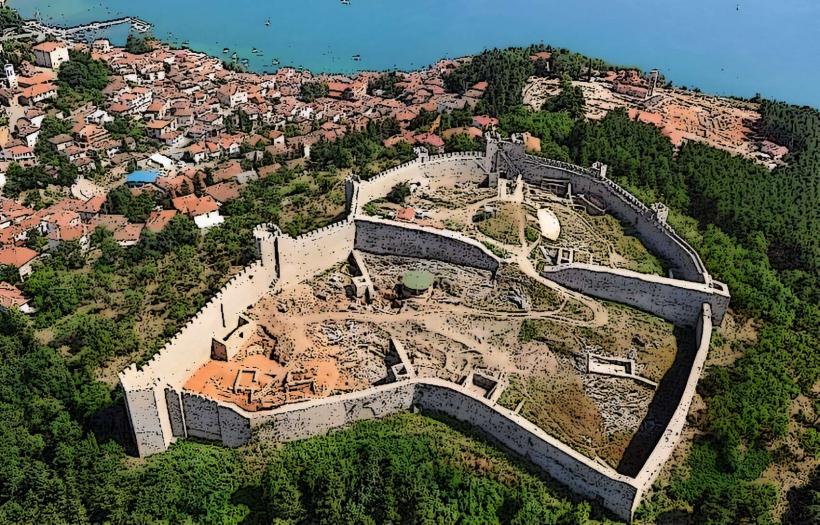
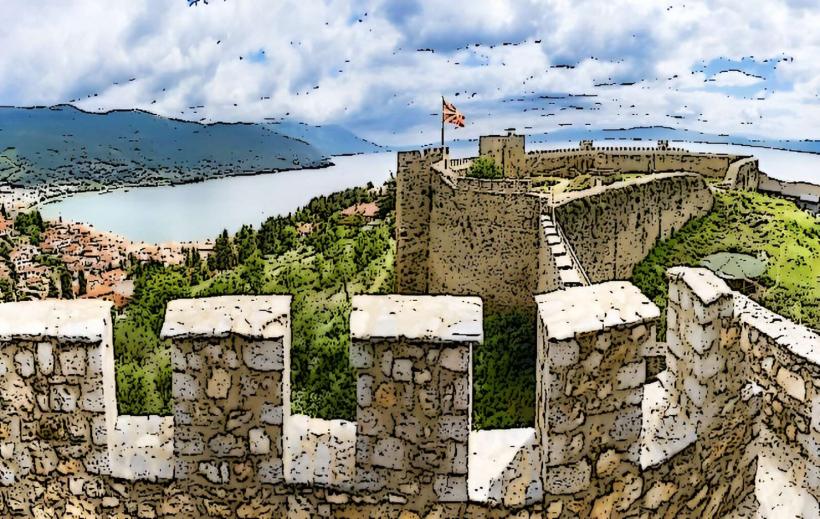
- Samuil's Fortress: 0.3km West
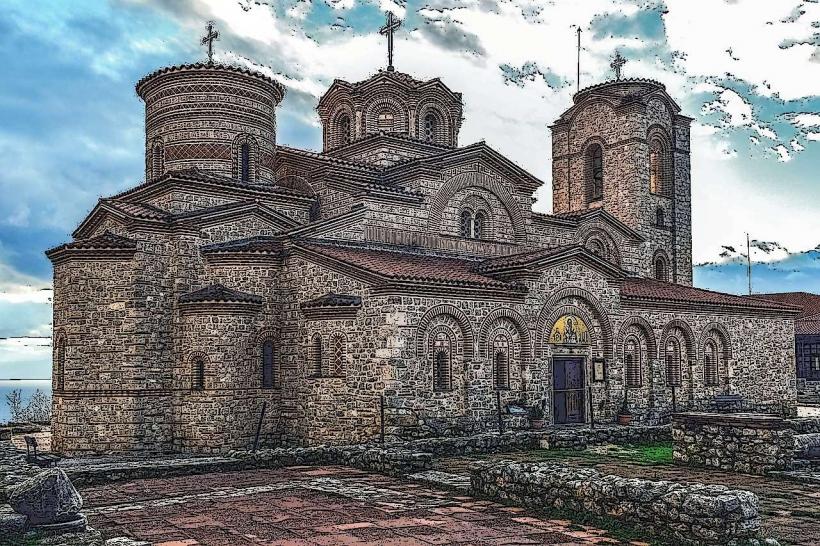
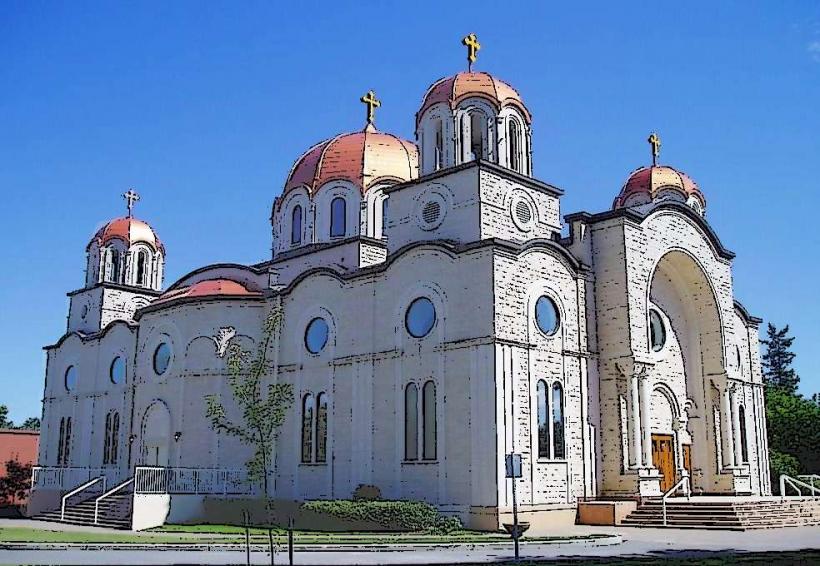
- Church of Saints Clement and Panteleimon: 0.4km South-West
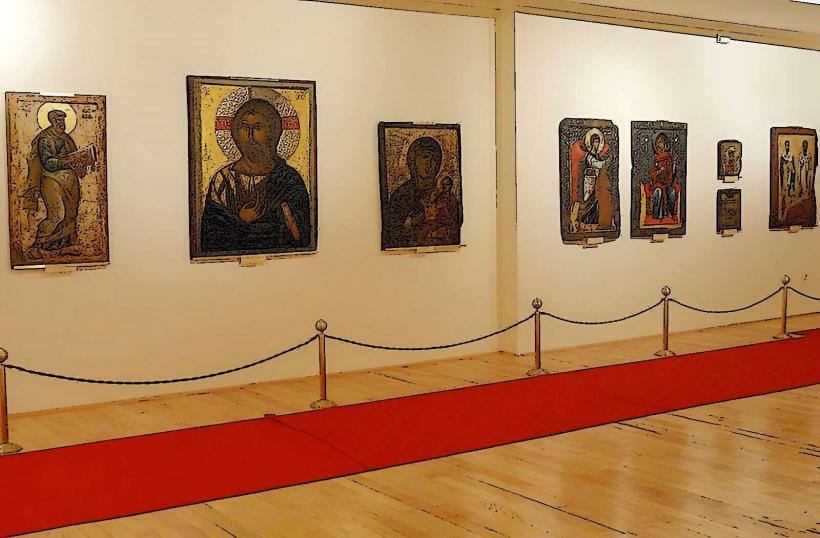
- Icon Gallery: 0.6km South
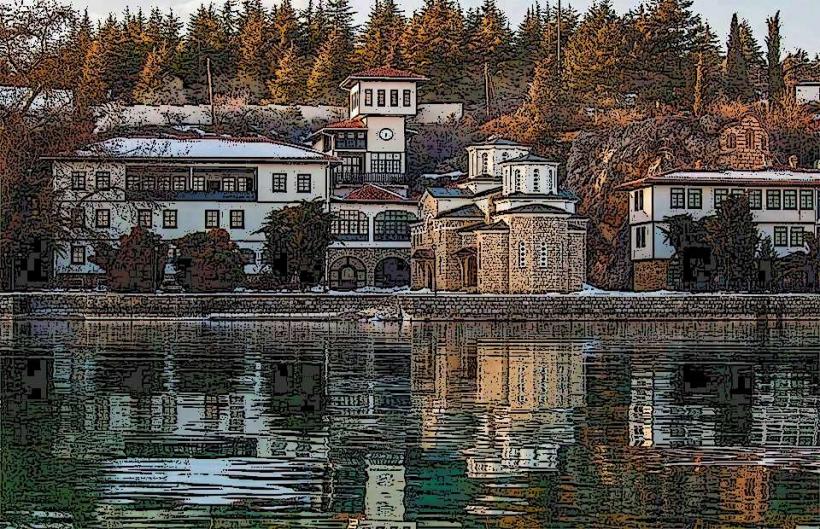
- Robevi House Museum: 0.7km South
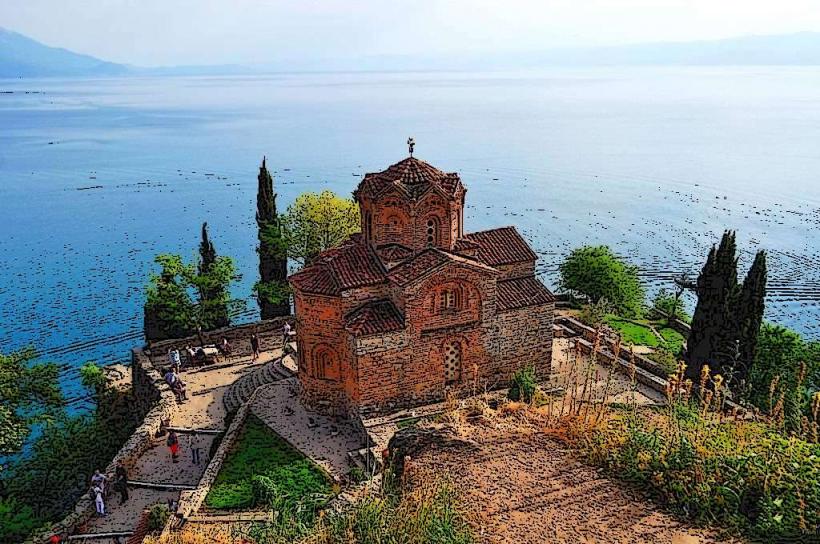
- Church of Saint John at Kaneo: 1.2km North-West