Information
Landmark: Anja Community ReserveCity: Fianarantsoa
Country: Madagascar
Continent: Africa
Anja Community Reserve, Fianarantsoa, Madagascar, Africa
Anja Community Reserve is a community-managed nature reserve located in southern Madagascar, near the town of Ambalavao, in the Fianarantsoa region. This reserve is notable for its unique blend of natural beauty, cultural significance, and conservation efforts. It is managed by the local Anja community, who have played a central role in protecting and maintaining the reserve, ensuring its preservation for future generations.
Overview and Location:
- Location: Anja Community Reserve is situated about 13 km south of Ambalavao and approximately 400 km south of the capital city, Antananarivo. The reserve lies in the Andringitra Mountain range, which is part of the broader central highlands of Madagascar.
- Size: The reserve covers an area of approximately 30 hectares (74 acres) of forested land, characterized by its stunning granite formations and biodiversity.
- Established: The reserve was established in 2001, primarily as a community conservation initiative to protect the local environment while promoting sustainable tourism and community development.
Key Features of Anja Community Reserve:
Wildlife and Biodiversity:
- Lemurs: Anja is particularly famous for its population of ring-tailed lemurs (Lemur catta), which are one of Madagascar's most iconic and recognizable species. These lemurs are often seen in the wild at the reserve, where they roam freely in the forested areas. The reserve is a great place to observe these lemurs in their natural habitat.
- Other Mammals: In addition to ring-tailed lemurs, the reserve is home to other mammals, including various species of small mammals, rodents, and bats.
- Reptiles: The area is rich in reptile species, including chameleons, geckos, and snakes, many of which are endemic to Madagascar.
- Birds: Anja is a good location for birdwatching, with several species of endemic birds such as the Madagascar kestrel, Crested ibis, and various species of warblers and parrots.
- Flora: The reserve is also home to a variety of plant species, including medicinal plants, succulents, and endemic trees. The region’s vegetation varies from spiny forest to tropical dry forest, providing diverse habitats for wildlife.
Stunning Granite Formations:
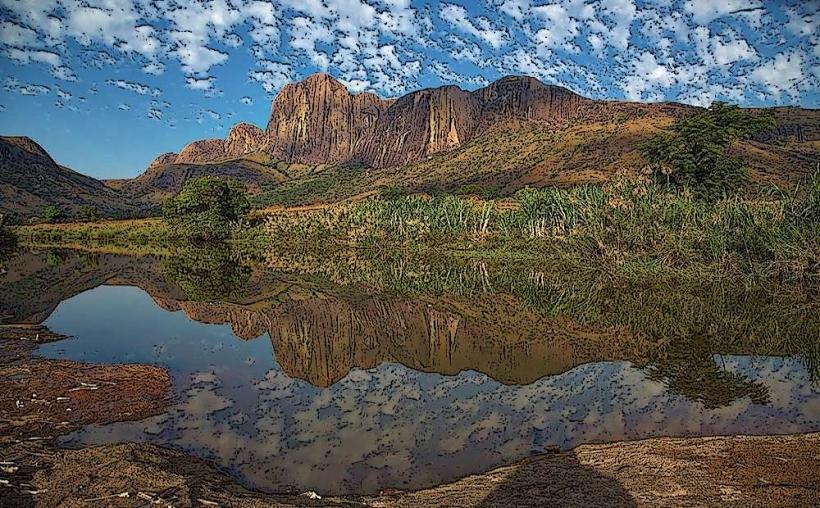
- Granite Massifs: One of the most striking features of the reserve is the impressive granite rock formations that dominate the landscape. These massive granite outcrops are remnants of ancient volcanic activity and provide not only dramatic scenery but also important habitats for various species.
- Caves and Crevices: The granite cliffs and boulders create numerous caves and rock shelters, many of which are used by wildlife as shelter. Some of the larger caves in the reserve have cultural significance as well, as they have been used by the local communities for sacred practices.
Cultural Significance:
- Local Community Involvement: The Anja Community Reserve is one of the best examples of community-based conservation in Madagascar. The reserve is managed by the local Anja community, who have set up initiatives that blend environmental protection with cultural preservation. The community actively participates in tourism, guiding, and resource management.
- Sacred Sites: In addition to the natural beauty, the reserve also contains areas that are considered sacred by the local Betsileo people, who have traditionally lived in the region. Some caves and rock formations are associated with local spiritual practices and are respected by both the community and visitors.
- Sustainable Tourism: Tourism plays a crucial role in supporting the community and its conservation efforts. Entrance fees and tourism revenue are reinvested into the community, helping to improve local livelihoods and fund ongoing conservation work.
Conservation Efforts:
- Habitat Protection: The Anja Community Reserve is a significant part of efforts to protect the Madagascar dry forests and their biodiversity. Deforestation, illegal logging, and hunting have been major threats to the region, but the establishment of the reserve has helped address these issues.
- Sustainable Livelihoods: By involving the local community in tourism and conservation, the reserve promotes sustainable livelihoods that reduce reliance on unsustainable practices, such as illegal logging and hunting. This partnership between the community and conservation organizations is key to the long-term success of the reserve.
- Education and Awareness: The reserve serves as a center for environmental education and provides visitors with the opportunity to learn about the importance of biodiversity conservation in Madagascar. Local guides often share their knowledge about the ecosystem, wildlife, and the role of the community in preserving the area.
Tourism and Activities:
- Guided Tours: The best way to explore the Anja Community Reserve is with a local guide, who can provide insight into the flora, fauna, and cultural significance of the area. Guides are often community members, and their expertise in wildlife spotting makes the experience more enriching.
- Lemur Watching: Visitors can spend time observing the ring-tailed lemurs, which are easy to spot in the reserve, as they are active and social. The lemurs are often seen lounging on rocks or foraging for food.
- Hiking and Rock Climbing: The terrain of Anja offers excellent opportunities for hiking and rock climbing, especially around the massive granite formations. There are several well-marked trails that lead visitors through the reserve, providing stunning views of the surrounding landscape.
- Cultural Tours: In addition to natural beauty, visitors can learn about the local Betsileo culture through interactions with the community, visits to sacred sites, and learning about local agricultural practices.
- Photography: The reserve is a photographer’s paradise, with its dramatic landscapes, wildlife, and cultural sites providing endless opportunities for capturing memorable images.
Best Time to Visit:
- The best time to visit Anja Community Reserve is during the dry season (from April to November), when the weather is cooler and the trails are more accessible. The rainy season (from December to March) can make some areas of the reserve slippery and challenging to navigate, though it is also the time when the flora and fauna are most abundant.
Accessibility:
- Transport: The reserve is located about 13 km south of Ambalavao, which is accessible by road from Antananarivo (approximately 400 km away). Visitors can reach Ambalavao by private car or public transport from the capital. From Ambalavao, local transport or hired vehicles can take visitors to the reserve.
- Accommodation: Basic lodging options are available in the nearby town of Ambalavao, including guesthouses and small hotels. Visitors can also opt for camping within the reserve or stay in simple accommodations run by the local community.
Conclusion:
Anja Community Reserve offers a unique and immersive experience for those interested in Madagascar’s wildlife, culture, and community-based conservation. The reserve’s rich biodiversity, including the famous ring-tailed lemurs, its stunning landscapes with dramatic granite formations, and the active involvement of the local Anja community make it a remarkable destination. By visiting, tourists contribute directly to the preservation of Madagascar’s unique environment while supporting sustainable livelihoods for the people who call it home.