Information
Landmark: Auberge d'AngleterreCity: Birgu
Country: Malta
Continent: Europe
Auberge d'Angleterre, Birgu, Malta, Europe
The Auberge d’Angleterre is one of the historic buildings in Valletta, Malta, and is part of the collection of auberges (hostels) built by the Knights of St. John during their rule over the island. Each auberge was dedicated to a specific language group within the Order, representing knights from different European regions. The Auberge d’Angleterre, specifically, was the residence for the knights from England.
Historical Background
- The Auberge d’Angleterre was constructed in the late 16th century as part of the Knights of St. John’s efforts to establish distinct accommodations for each of the eight Langues (or "tongues") representing different regions of Europe, such as Provence, Aragon, Castile, Italy, Germany, France, England, and Portugal. Each auberge functioned as both a residence and a place for the knights to gather.
- The building is one of the earliest examples of Renaissance architecture in Malta, with its construction being overseen by the Order shortly after they established themselves in Malta in 1530. The Auberge d’Angleterre was specifically designated for knights from England, which at the time was part of the English Langue of the Order of St. John.
- The building served not only as a residence for the knights but also as a place for social and military activities and meetings. It continued to serve this role for several centuries, contributing to the social and religious life of the Order.
Architectural Features
- The Auberge d’Angleterre is characterized by its Renaissance-style architecture, with an emphasis on symmetry and classical proportions. The building's design includes elements such as arches, columns, and stone carvings that reflect the influence of the Italian Renaissance during the period when it was constructed.
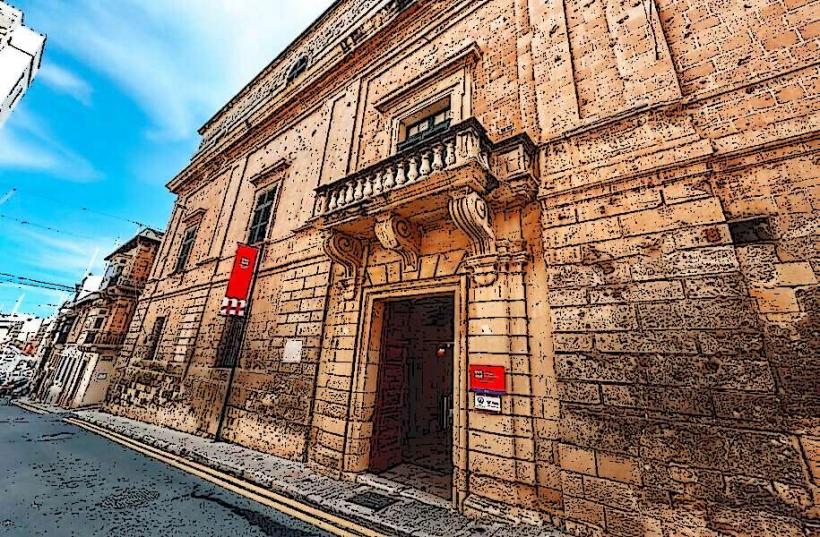
- The façade of the auberge is elegantly decorated, with an imposing entrance and windows framed by stone detailing. The building features a central courtyard with a garden, which would have provided a peaceful space for the knights.
- Like other auberges in Valletta, the Auberge d’Angleterre was designed not only for functional accommodation but also to convey the prestige and importance of the knights from England.
Role in the History of the Knights
- The Auberge d’Angleterre was part of the broader network of military, administrative, and religious buildings in Valletta that served the Order of St. John. It was used as a residence for the English knights, who were among the Order’s most prominent members.
- The knights living here would have been involved in the governance of Malta and the defense of the island, particularly during times of conflict such as the Great Siege of Malta in 1565. The building itself would have been a base for strategic meetings and a place for the knights to gather after battle or other important events.
- Over the years, the function of the auberge changed as the Order's activities on the island evolved. When the French took control of Malta in 1798, the Knights were displaced, and many of the auberges fell into disrepair or were repurposed.
Current Use
- Today, the Auberge d’Angleterre has been restored and serves a different function from its original role. The building is now used for government purposes and houses the offices of various governmental organizations, though it still retains much of its historic charm.
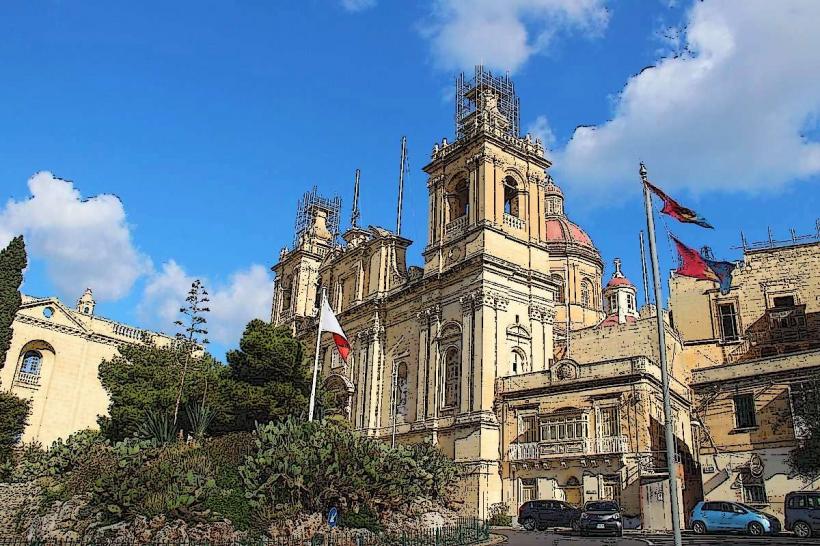
- The exterior of the building is a significant architectural landmark in Valletta, and visitors to the city can admire its Renaissance façade as part of a walking tour of the Knights' auberges. The interior is not typically open to the public, though the courtyard and surrounding area provide a glimpse into the building's rich history.
Conclusion
The Auberge d’Angleterre is a notable example of Renaissance architecture and an important historical site in Valletta. As the residence of the English knights of the Order of St. John, it played a key role in the social and administrative life of the Order during the time when Malta was under their rule. Though it no longer serves as a residence for the knights, the building remains an important part of Malta's military history and architectural heritage.