Information
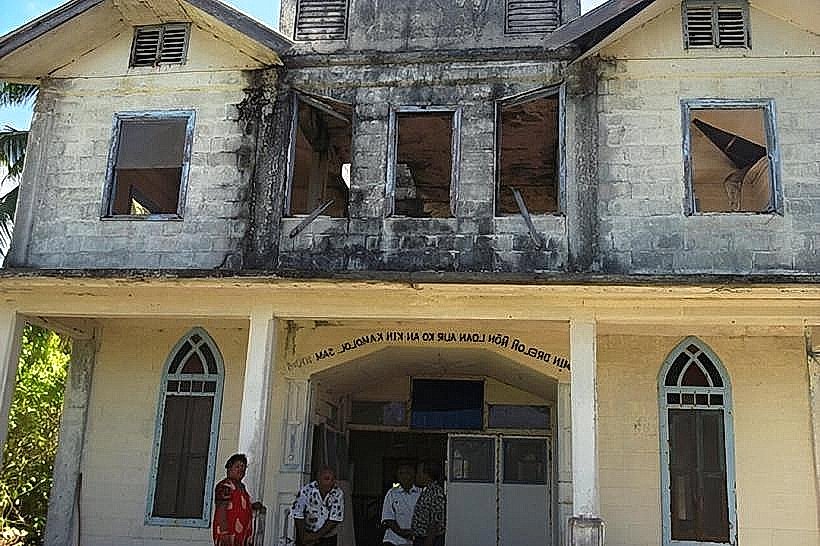
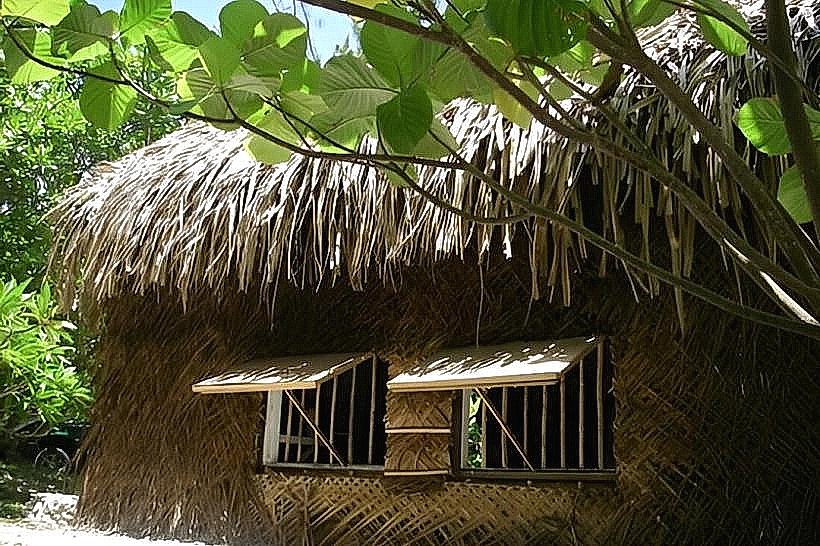
Landmark: Aur Reef FlatsCity: Aur Atoll
Country: Marshall Islands
Continent: Australia
Aur Reef Flats, Aur Atoll, Marshall Islands, Australia
Lalbagh Fort is a 17th-century Mughal fort complex situated in the southwestern part of Dhaka, Bangladesh. It is an unfinished but historically significant architectural site.
Visual Characteristics
The fort complex comprises three main structures: the Audience Hall and Mosque, the Tomb of Pari Bibi, and the South Gate. The Audience Hall and Mosque is a three-story rectangular building constructed with red brick and plastered with terracotta. Its facade features arched doorways and decorative panels. The Tomb of Pari Bibi is a square structure with a central octagonal chamber, built with white marble and decorated with floral motifs. The South Gate is a monumental gateway with two flanking octagonal bastions, also constructed from red brick.
Location & Access Logistics
Lalbagh Fort is located approximately 3 kilometers southwest of the Shahbagh intersection in Dhaka. Access is via the Lalbagh Road. The nearest major road is Nawab Sirajuddowlah Road. Public transport options include local buses that service the Azimpur Bus Stand, which is a short walk from the fort. Auto-rickshaws and taxis are readily available throughout Dhaka and can drop visitors directly at the fort entrance. There is a designated parking area within the fort premises for vehicles.
Historical & Ecological Origin
Construction of Lalbagh Fort began in 1678 by Mughal Subahdar Muhammad Azam Shah, son of Emperor Aurangzeb, as his future residence. Work was halted in 1684 when he was recalled to Delhi. The fort was intended to be a grand palace-fortress but remained incomplete. The Tomb of Pari Bibi is believed to be the burial place of Iran Dukht, daughter of Emperor Aurangzeb and wife of Muhammad Azam Shah, though this is debated by historians.
Key Highlights & Activities
Visitors can explore the Audience Hall and Mosque, which houses a museum displaying Mughal artifacts. The Tomb of Pari Bibi is a central point of interest, known for its intricate marble work. The South Gate offers a commanding view of the fort grounds. Walking the fort grounds and observing the architectural details are primary activities. Photography is permitted within the complex.
Infrastructure & Amenities
Restrooms are available within the fort complex. Shaded areas are provided by trees and the structures themselves. Cell phone signal (4G/5G) is generally good within the fort. Food vendors are typically located outside the fort's main entrance, offering local snacks and beverages.
Best Time to Visit
The best time of day for photography is in the morning between 9:00 AM and 11:00 AM, or in the late afternoon from 3:00 PM to 5:00 PM, to avoid harsh midday light. The most favorable months for visiting are from October to March, when the weather is cooler and less humid. There are no tide-related considerations for visiting.
Facts & Legends
A local legend suggests that the fort was built for a princess named Pari Bibi, who died tragically and was buried within its walls. Another account states that the fort was intended to be a complete city within itself, featuring palaces, audience halls, and mosques, but its construction was abandoned prematurely.
Nearby Landmarks
- Star Mosque (Sitaram Shah Road): 0.8km Northeast
- Dhakeshwari Temple (Dhakeshwari National Temple Road): 1.2km East
- Ahsan Manzil (Pink Palace) (Old Dhaka): 2.5km East
- Curzon Hall (University of Dhaka): 2.8km Northeast
- National Museum of Bangladesh (Shahbagh): 3.0km Northeast