Information
Landmark: Austin Roberts Bird SanctuaryCity: Pretoria
Country: South Africa
Continent: Africa
Austin Roberts Bird Sanctuary, Pretoria, South Africa, Africa
Overview
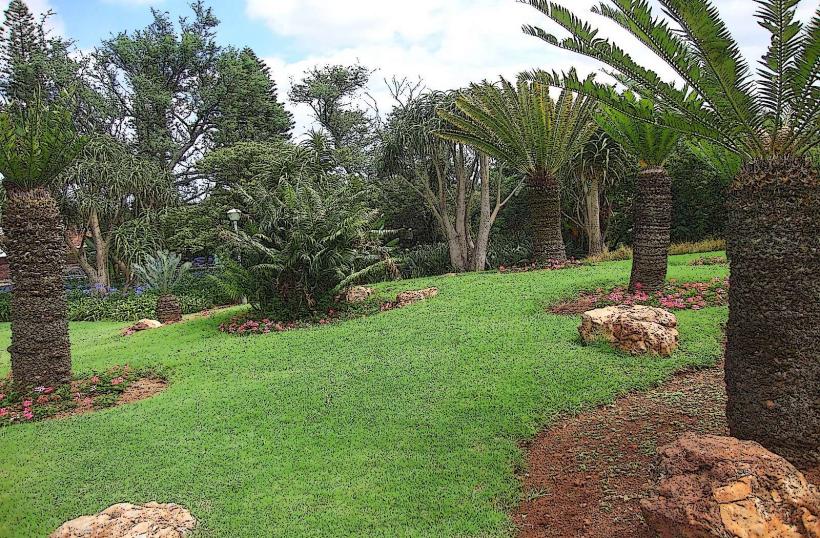
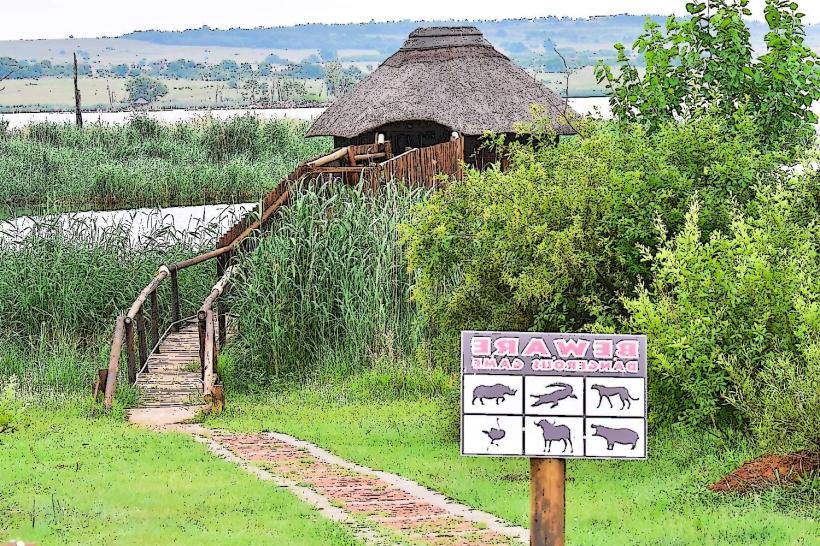
In Pretoria’s leafy Nieuw Muckleneuk suburb, the Austin Roberts Bird Sanctuary offers a petite yet vital patch of protected wetland, where the air hums with bird calls, as well as it’s named for Dr.Austin Roberts (1883–1948), the celebrated South African ornithologist who wrote the well-known field guide *Roberts’ Birds of Southern Africa*, still spotted on dusty shelves in birders’ homes today, also the sanctuary protects wetland and grassland birds, from herons wading in the shallows to larks flitting over tall grass, and gives birdwatchers and nature lovers a peaceful getaway right inside the city.It sits a few kilometers from Pretoria’s city center, nestled between Muckleneuk’s leafy streets and the quiet avenues of Brooklyn, then it spans just 11.8 hectares-minute enough to saunter across in minutes-but its wetlands hum with life.The sanctuary sits within the Walkerspruit Open Space System, a stretch of greenbelt that winds past Magnolia Dell Park and other pockets of untouched trees and grass, meanwhile the sanctuary’s landscape shifts from quiet wetlands to open grasslands, then on to shady acacia woodlands where the air smells faintly of dry leaves.They create harmless havens for birds, petite mammals, and reptiles, from a wren’s hidden nest to a lizard basking on warm stone, meanwhile wetlands matter a great deal-they shelter herons and other water birds, and their reeds quietly strain silt from the water.At the Austin Roberts Bird Sanctuary, more than 170 bird species have been recorded, from dazzling kingfishers to shy herons, making it one of Pretoria’s top spots for urban birdwatching, alternatively number one.Blue Crane - South Africa’s national bird - sometimes drifts through the reserve, its pale feathers catching the light, alternatively grey Crowned Crane – a dazzling bird that leaps and bows in graceful arcs during its intricate courtship dance.The African Spoonbill is easy to spot with its long, flat bill that flares at the tip like a pale wooden spoon, in turn the pied kingfisher often hovers over the water, wings beating expeditious, before plunging straight down to snatch a fish.The African Jacana uses its long, slender toes to step lightly across lily pads, as if it’s walking on water, therefore you’ll find all kinds of ducks and geese here, from the striking Egyptian Goose to the cheerful White-faced Whistling Duck.Number two, after that you might spot slight mammals in the sanctuary, from quick-footed mongooses to prickly hedgehogs and sleek otters gliding through the water.You know, Lizards and terrapins, along with other reptiles, make their home in the wetlands, basking on warm, sunlit banks, at the same time the sanctuary’s lush plants shelter buzzing insects and vivid-winged butterflies, each adding to the richness of its ecosystem.Things to notice and Do - from quiet garden paths to a bustling street market, at the same time the sanctuary ranks among Pretoria’s best spots for birdwatching, with quiet hides where you can watch a heron glide over the still water.You’ll spot the most bird activity early in the morning or late in the afternoon, when wings flash past and the air hums with their calls, along with number two.Funny enough, Tucked inside the sanctuary, the Blue Crane Restaurant invites you to step onto its deck and watch the wetlands shimmer in the afternoon light, furthermore you can sip a scorching coffee or share a meal as vivid wings dart through the trees outside.Three, subsequently the sanctuary’s a fantastic spot for wildlife shots, especially if you’re trying to catch a heron lifting off at dawn.Number four, after that shaded walking paths wind through the sanctuary, letting visitors wander and take their time.Tucked away from the city’s rush, it offers a quiet escape where you can breathe deeply and let your mind settle, what’s more visitor Information – Open most days from sunrise to sunset, for the most part It’s usually free to get in, but they’re cheerful to accept donations to help with conservation-every coin dropped into the antique tin box makes a difference, as a result the location’s easy to reach from Dey Street in Nieuw Muckleneuk, Pretoria-just a short turn past the tall jacaranda trees.The best time to visit is between September and March, when spring and summer bring flocks of migratory birds and the wetlands buzz with life, to boot the City of Tshwane runs the sanctuary together with local birding and conservation groups, keeping its grass trails and quiet wetlands protected.It’s a pocket of wild green in the city, sheltering herons and frogs, while giving visitors a chance to learn firsthand about protecting wetlands, and pollution, shrinking habitats, and expanding cities threaten the area, yet people are working hard to protect it so children can one day hear the same birdsong in its trees.So, why should you visit the Austin Roberts Bird Sanctuary, while it’s one of Pretoria’s top places to spot city birds, where glossy starlings flash blue in the morning sun.It’s free to enter, and you can amble right in without a hitch, subsequently a quiet, scenic spot where you can stretch out in the grass and just breathe.Here’s your chance to spot rare, striking birds as they flit through the quiet shade of the trees, along with tucked away in Pretoria’s heart, the Austin Roberts Bird Sanctuary offers calm paths, rustling trees, and flashes of vibrant birdlife you’d never expect in the middle of the city., under certain circumstances
Author: Tourist Landmarks
Date: 2025-09-20