Information
Landmark: Bai Dinh PagodaCity: Ninh Binh
Country: Vietnam
Continent: Asia
Bai Dinh Pagoda, Ninh Binh, Vietnam, Asia
Bai Dinh Pagoda is a large Buddhist temple complex situated in Ninh Binh province, Vietnam. It is one of the largest religious complexes in Southeast Asia.
Visual Characteristics
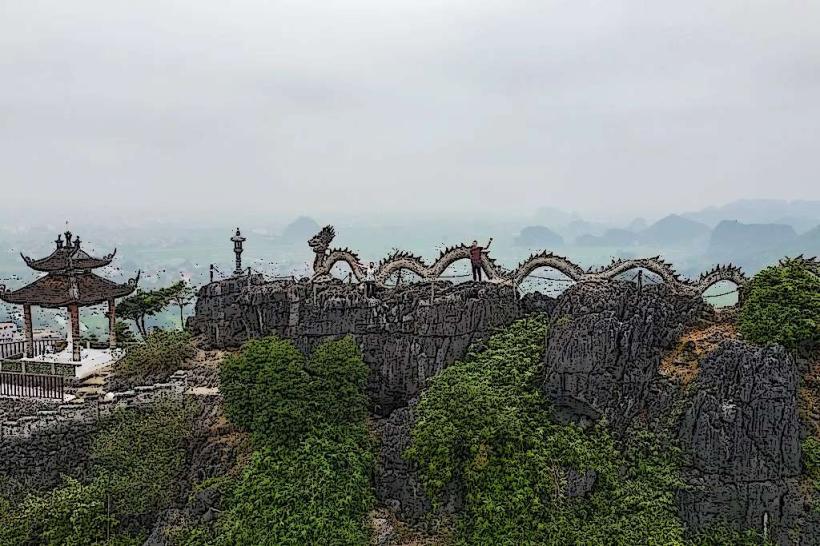
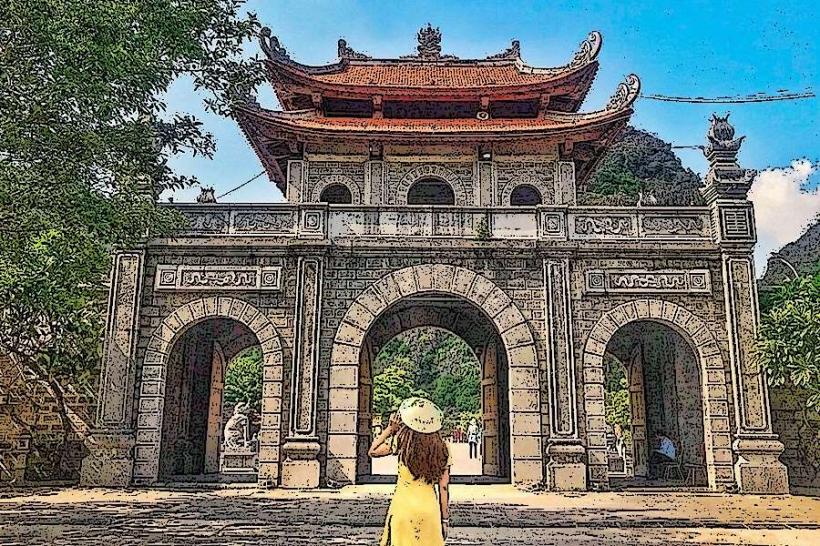
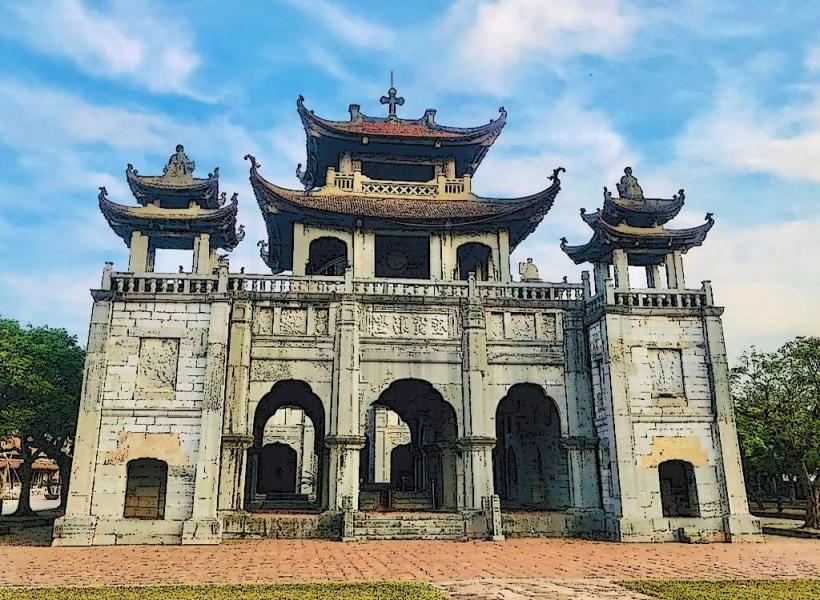
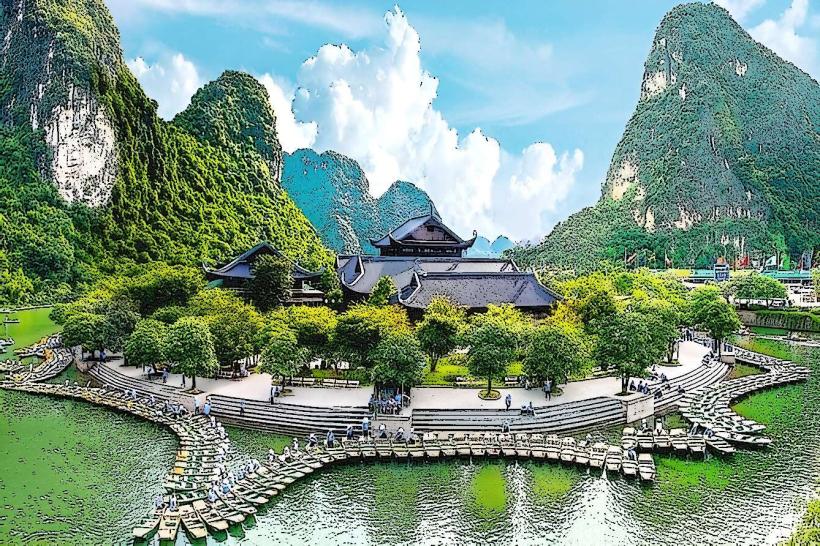
The complex features numerous structures constructed from concrete, stone, and wood. Key buildings include the Tam The Temple, Phap Chu Temple, and Bao Thap Tower. The pagoda is characterized by its extensive use of statues, many of which are gilded or made of bronze. The main pagoda structures are multi-tiered with traditional Vietnamese architectural elements, including curved roofs and ornate carvings. The grounds are landscaped with gardens and water features.
Location & Access Logistics
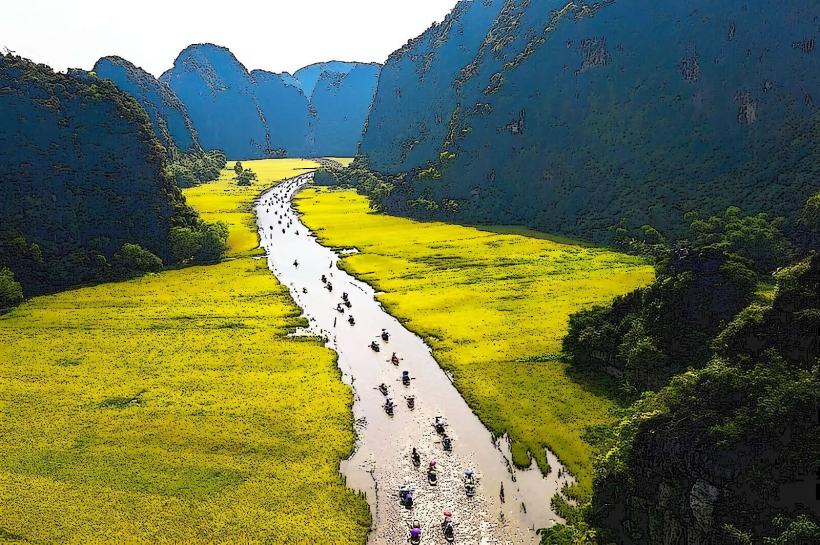
Bai Dinh Pagoda is located approximately 15 kilometers northwest of Ninh Binh city center. Access is via National Highway 1A, then turning onto provincial road DT477. Ample parking is available on-site for cars and buses. Public transport options include local buses from Ninh Binh city to the vicinity of the pagoda, with a short walk or shuttle service to the main entrance. Boat tours are also available from nearby areas.
Historical & Ecological Origin
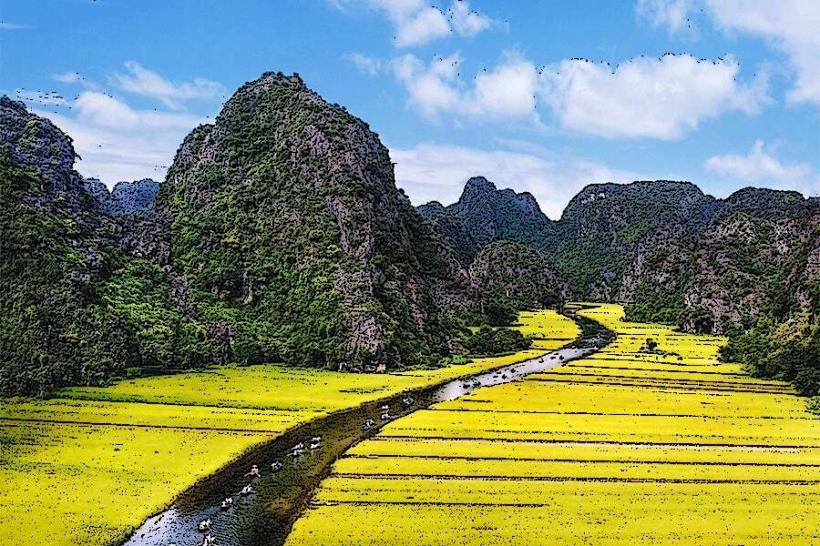
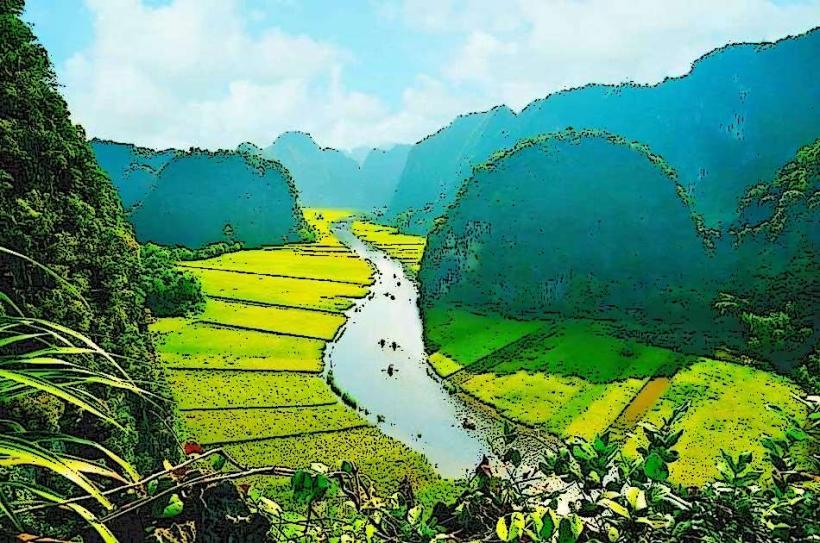
The current complex was largely constructed between 2003 and 2010, though a smaller, older pagoda existed on the site. The architectural design draws inspiration from traditional Vietnamese Buddhist temples. The pagoda is situated within the Trang An Landscape Complex, a UNESCO World Heritage Site, known for its karst topography and biodiversity.
Key Highlights & Activities
Visitors can explore the various temples and pagodas within the complex. The Bao Thap Tower offers panoramic views from its upper levels. The complex houses over 500 Arhat statues and a large bronze Buddha statue. Walking the grounds allows for observation of the architectural details and the surrounding natural landscape. Guided tours are available, detailing the history and significance of the site.
Infrastructure & Amenities
Restrooms are available throughout the complex. Shaded areas are provided by the numerous structures and trees. Cell phone signal (4G/5G) is generally good within the main areas. Food vendors and small restaurants are located near the entrance and within designated areas of the complex, offering local Vietnamese cuisine.
Best Time to Visit
The best time of day for photography is generally in the morning or late afternoon when the sunlight is less direct. The most favorable months for visiting are from March to May and September to November, offering pleasant temperatures and lower humidity. The site is accessible year-round.
Facts & Legends
One notable feature is the largest bronze Buddha statue in Vietnam, weighing 100 tons. Local legend states that the mountain on which the pagoda is built is a sacred site where prayers are answered.
Nearby Landmarks
- Trang An Grottoes (2.5km Southwest)
- Tam Coc-Bich Dong (7km Southeast)
- Hoa Lu Ancient Capital (10km East)
- Mua Caves (8km Southeast)