Information
Landmark: Hoa Lu Ancient CapitalCity: Ninh Binh
Country: Vietnam
Continent: Asia
Hoa Lu Ancient Capital, Ninh Binh, Vietnam, Asia
Hoa Lu Ancient Capital is a historical site located in Ninh Binh Province, Vietnam. It served as the capital of Vietnam during the Dinh and early Le dynasties.
Visual Characteristics
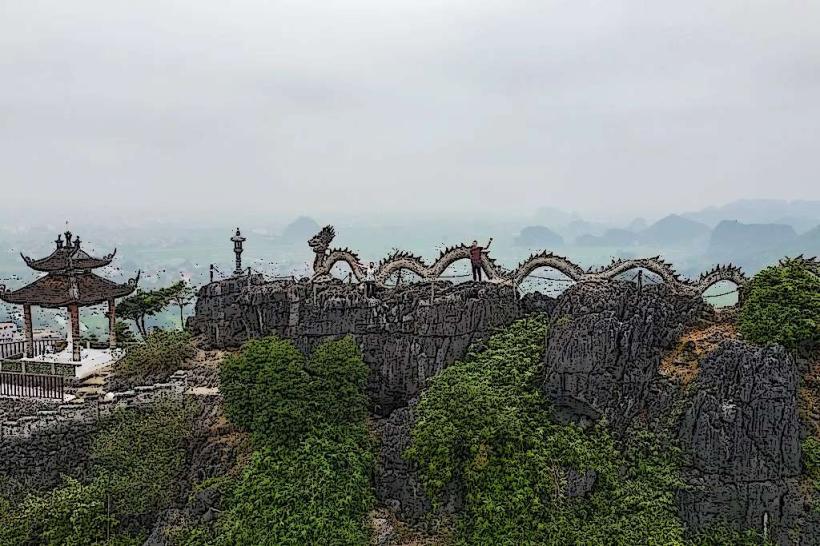
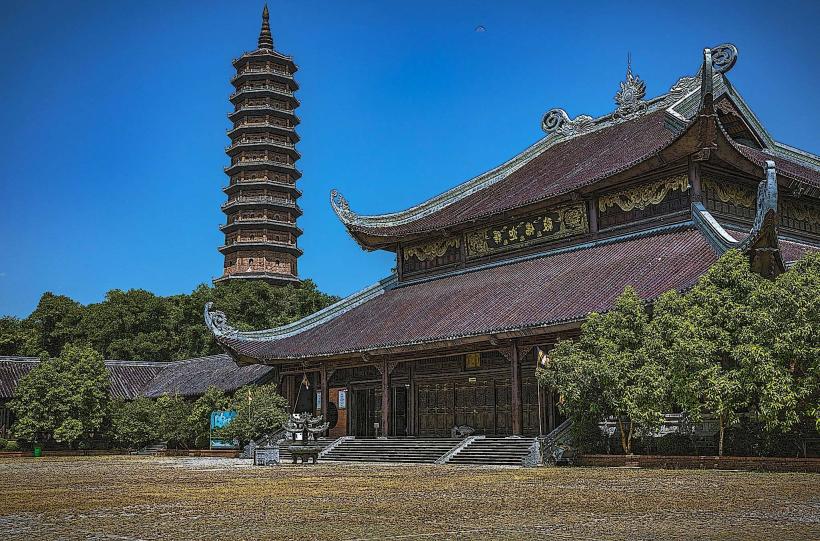
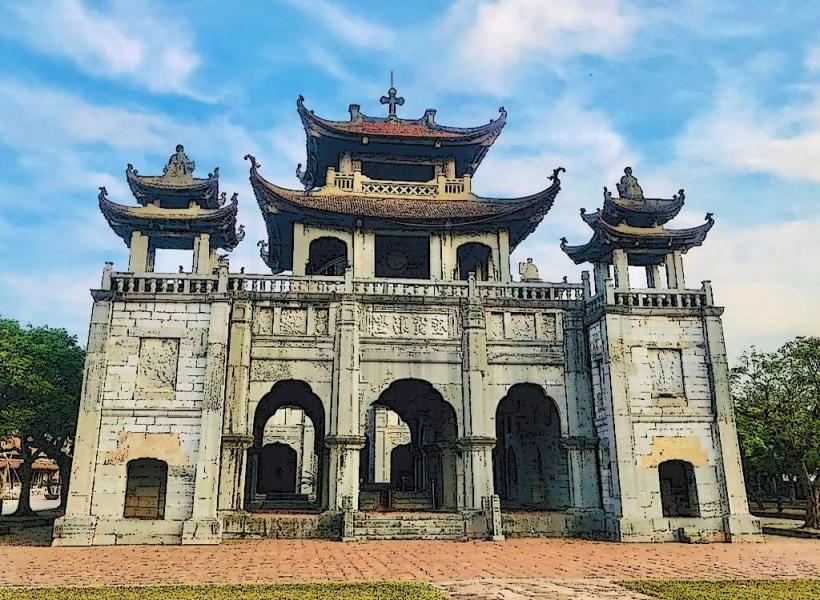
The site features remnants of ancient temples and pagodas constructed primarily from stone and wood. The structures exhibit traditional Vietnamese architectural elements, including curved roofs and intricate carvings. The surrounding landscape is characterized by karst limestone formations and rice paddies.
Location & Access Logistics
Hoa Lu is situated approximately 10 kilometers north of Ninh Binh city center. Access is via National Highway 1A, then turning onto Provincial Road 49. Parking is available at designated areas near the main temple complexes. Local buses from Ninh Binh bus station to Hoa Lu are frequent, typically departing every 30 minutes.
Historical & Ecological Origin
Hoa Lu was established as the capital in 968 AD by Dinh Tien Hoang, marking the unification of Vietnam after a period of civil war. It remained the capital until 1010 AD when it was moved to Thang Long (modern-day Hanoi). The geological origin of the surrounding landscape is karst topography, formed by the dissolution of soluble rocks like limestone over millions of years.
Key Highlights & Activities
Visitors can explore the temples dedicated to Emperor Dinh Tien Hoang and Emperor Le Dai Hanh. Walking tours of the remaining structures are possible. Photography of the temple architecture and surrounding natural scenery is a common activity.
Infrastructure & Amenities
Restrooms are available at the main temple sites. Shade is provided by trees and temple roofs. Cell phone signal (4G) is generally reliable within the main visitor areas. Food vendors and small restaurants are located near the entrance to the historical complex.
Best Time to Visit
The best time of day for photography is typically in the morning or late afternoon when the sunlight is less direct. The dry season, from November to April, offers the most pleasant weather conditions. There are no tide-dependent activities at this inland site.
Facts & Legends
A notable historical oddity is the presence of two wells within the Dinh Tien Hoang Temple complex, known as the "Ngoc Well" (Jade Well). Legend states that the water from these wells was used by the royal family for cooking and drinking, and was considered exceptionally pure.
Nearby Landmarks
- Tam Coc-Bich Dong (3km Southeast)
- Trang An Landscape Complex (5km Southwest)
- Mua Caves (4km South)
- Bich Dong Pagoda (3.5km Southeast)