Information
Landmark: Bairro AltoCity: Lisbon
Country: Portugal
Continent: Europe
Bairro Alto, Lisbon, Portugal, Europe
Bairro Alto is a high-density historic district located on one of the seven hills of Lisbon, Portugal. It functions as a traditional residential quarter by day and the city's primary nightlife hub by night.
Visual Characteristics
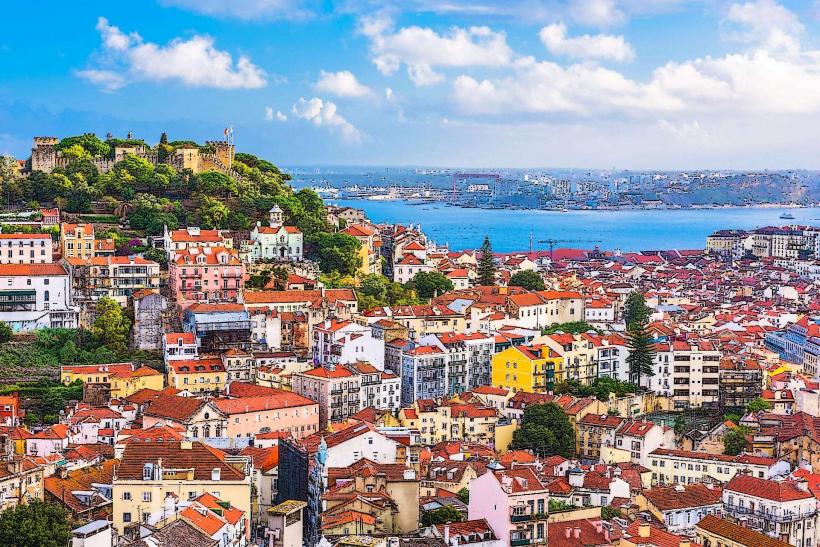
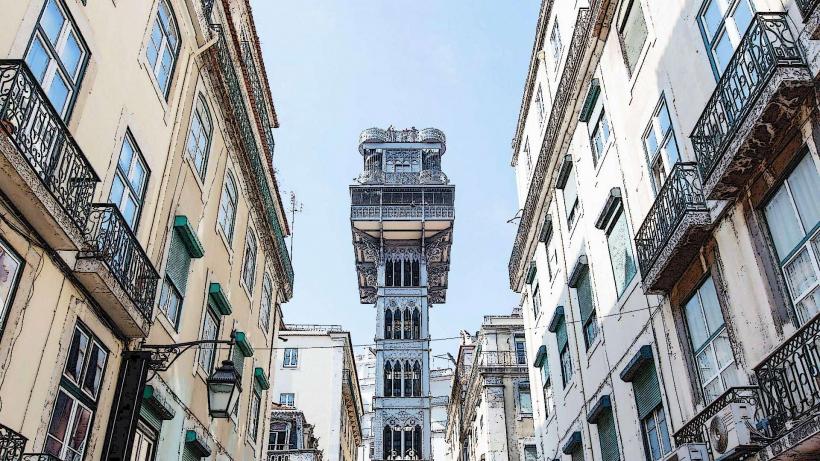
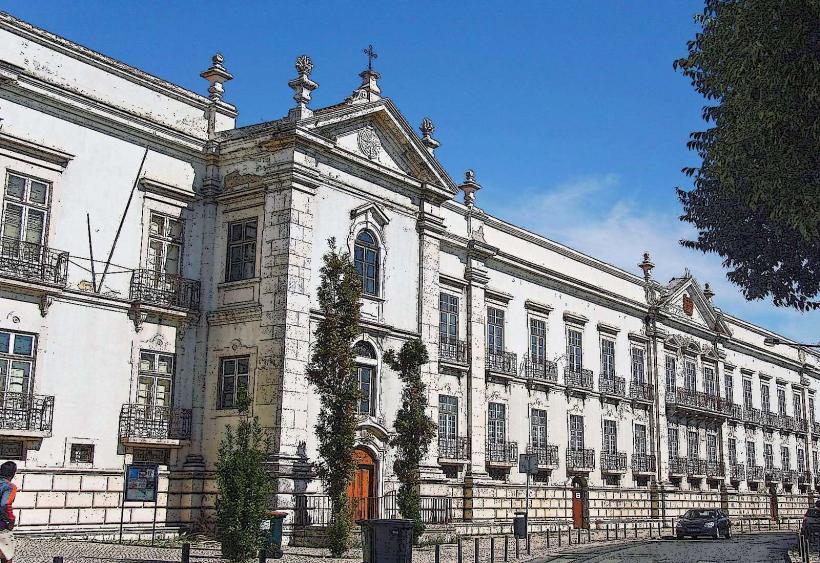
The district is defined by a rigid 16th-century orthogonal grid of narrow, cobblestone streets. Architecture consists of four-story buildings with wrought-iron balconies and weathered facades, many decorated with traditional azulejos and contemporary street art. The visual environment transitions significantly at sunset as shutters open to reveal high-density bars, small restaurants (tascas), and Fado houses.
Location & Access Logistics
Bairro Alto is situated above the Chiado district (1200-086 Lisbon).
Public Transport: Accessible via the Elevador da Glória (from Restauradores) and the Elevador da Bica (from Cais do Sodré). The Baixa-Chiado Metro station is at the southern edge.
Vehicle Access: Strictly restricted to residents and delivery vehicles; automated bollards control entry.
Parking: Extremely difficult. Use underground parking at Praça Luís de Camões or Restauradores.
Access: Characterized by steep inclines and uneven calçada portuguesa. High physical exertion is required for navigation; wheelchair accessibility is severely limited.
Historical & Ecological Origin
Developed in the 1510s, Bairro Alto was one of the first planned urban expansions outside the medieval city walls. It was historically home to the aristocracy before becoming a center for the press and bohemians in the 19th century. Ecologically, it is a high-density urban "heat island" with minimal greenery, though the São Pedro de Alcântara and Santa Catarina viewpoints provide significant public garden spaces and air corridors.
Key Highlights & Activities
Miradouro de São Pedro de Alcântara: A two-tiered garden offering a high-fidelity panorama of São Jorge Castle and central Lisbon.
Igreja de São Roque: A plain-facaded Jesuit church housing one of the world's most expensive Baroque chapels (St. John the Baptist).
Fado Establishments: Houses the most traditional Fado venues in the city, concentrated in the southern streets.
Street Drinking Culture: A unique social dynamic where patrons of hundreds of small bars consume beverages in the streets, particularly on weekends.
Infrastructure & Amenities
The district features a high concentration of independent boutiques, galleries, and tattoo parlors. Public restrooms are available at the major viewpoints. 5G cellular coverage is strong, though signal penetration can be inconsistent inside deep, narrow stone buildings.
Best Time to Visit
Daytime (10:00–17:00): Optimal for quiet architectural photography and visiting the São Roque Church.
Nighttime (21:00–02:00): Peak human density. Friday and Saturday nights represent maximum activity.
Facts & Legends
A verified historical fact is that Bairro Alto remained largely intact during the 1755 earthquake due to its location on solid rock. A local legend involves the "Severa," the first mythical Fado singer of the 19th century, who is said to have frequented the taverns of the district, cementing its association with the genre.
Nearby Landmarks
Chiado District: Immediately South.
Principe Real: 0.4km North.
Santa Justa Lift: 0.5km East.
Praça Luís de Camões: 0.2km South.