Information
Landmark: Vila Viçosa Ducal PalaceCity: Lisbon
Country: Portugal
Continent: Europe
Vila Viçosa Ducal Palace, Lisbon, Portugal, Europe
The Paço Ducal de Vila Viçosa (Ducal Palace of Vila Viçosa) is a 16th-century royal palace and the ancestral seat of the House of Braganza, the last ruling dynasty of Portugal. While frequently associated with Lisbon due to its role as a royal residence, it is located in Vila Viçosa, approximately 185 km (115 miles) east of Lisbon in the Alentejo region.
Visual Characteristics
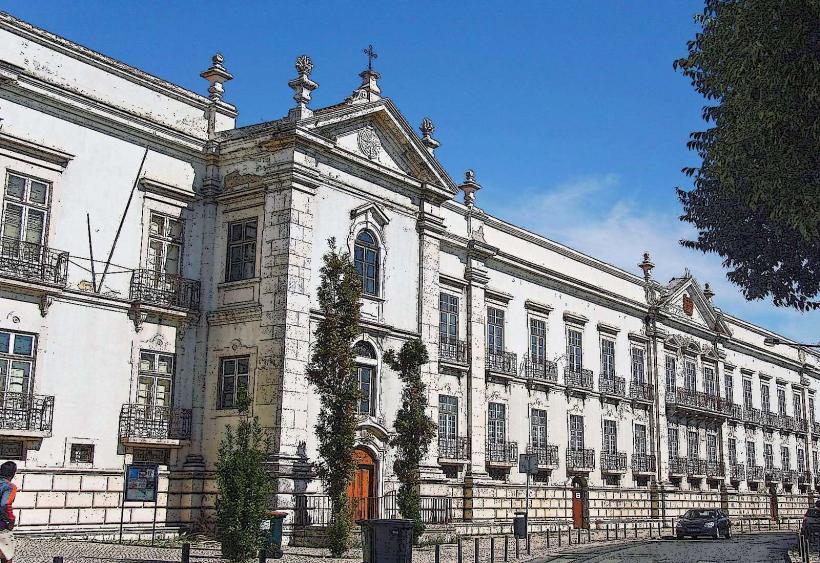
The palace is defined by its 110-meter-long facade entirely covered in local Estremoz marble. The architecture is a blend of Mannerist and neoclassical styles, featuring a repetitive rhythmic arrangement of windows and portals. The interior is characterized by over 50 rooms open to the public, featuring frescoed ceilings, 17th-century azulejos (tiles), and one of the most significant private art and armory collections in Europe.
Location & Access Logistics
From Lisbon: Approximately a 2-hour drive via the A2 and A6 motorways.
Address: Terreiro do Paço, 7160 Vila Viçosa.
Parking: Ample parking is available in the massive Terreiro do Paço, the square directly in front of the palace.
Public Transit: Accessible via Rede Expressos buses from Lisbon (Sete Rios station), though service is infrequent compared to major cities.
Historical & Ecological Origin
Foundation: Construction began in 1501 under Duke Jaime of Braganza. It served as the primary residence of the Dukes until 1640, when the 8th Duke became King João IV, marking the restoration of Portuguese independence.
Royal Use: After 1640, it became a seasonal vacation residence for the Portuguese monarchs.
Geology: The palace is situated in the "Marble Triangle" (Vila Viçosa, Borba, and Estremoz). The abundance of high-quality white and pink marble in the local soil determined the palace's opulent exterior finish.
Key Highlights & Activities
Armory: A vast collection of historical weaponry, including royal hunting pieces and medieval armor.
The Kitchen: Notable for its massive collection of polished copper cookware, numbering over 600 pieces.
Royal Apartments: Preservation of the rooms as they were left by the last royals, including the bedroom of King Carlos I.
Tapestry Collection: Features rare 16th-century Flemish tapestries and Aubusson rugs.
Infrastructure & Amenities
Guided Tours: Access to the interior is strictly via guided tours (available in English).
Connectivity: Solid 5G signal in the main square and palace grounds.
Accessibility: The ground floor is accessible, but the upper floors with the primary exhibits require climbing grand staircases; verify current elevator availability with the Fundação da Casa de Bragança.
Restrooms: Available inside the palace visitor area.
Best Time to Visit
Hours: Tuesday (14:00–17:00), Wednesday to Sunday (10:00–13:00 and 14:00–17:00). Closed Mondays.
Season: Spring and Autumn are optimal to avoid the extreme heat of the Alentejo interior, which often reaches 40°C (104°F) in July and August.
Facts & Legends
The palace was the site of the last night spent by King Carlos I and Crown Prince Luís Filipe before their assassination in Lisbon in 1908. A local architectural fact is that the palace has exactly as many windows as there are days in a year (though renovations have altered the count slightly over centuries).
Nearby Landmarks
Castelo de Vila Viçosa – 0.5km East
Marble Museum (Museu do Mármore) – 1.0km West
Sanctuary of Our Lady of Conception – 0.6km East
Estremoz – 18km West
Elvas (UNESCO Fortress) – 30km East