Information
Landmark: Bedem FortressCity: Niksic
Country: Montenegro
Continent: Europe
Bedem Fortress, Niksic, Montenegro, Europe
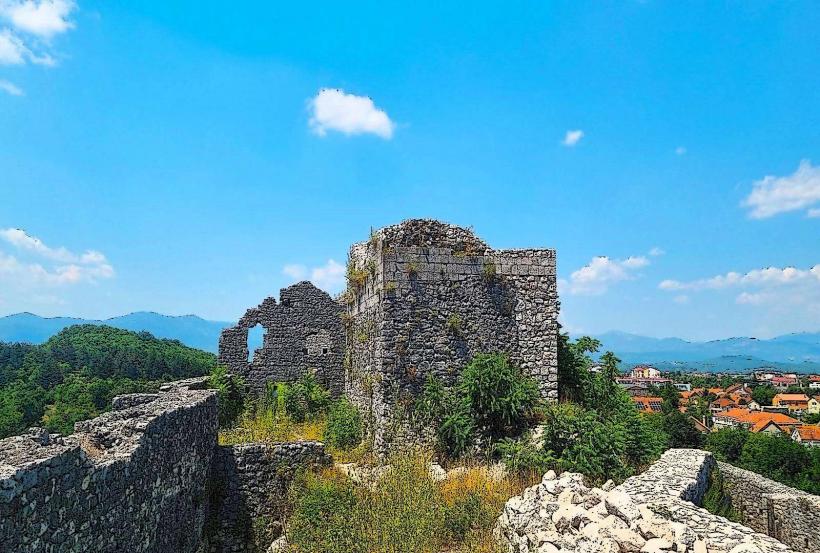
Bedem Fortress is a medieval military fortification situated on a limestone ridge overlooking the western section of the Nikšić Field. It represents the historical core of the city and serves as the primary archaeological site of the municipality.
Visual Characteristics
The fortress is an elongated, irregular complex of stone ramparts, bastions, and watchtowers. The masonry consists of rough-hewn limestone blocks. The most prominent feature is the "Top-Hana" (cannon tower) and the restored stone gates. The interior contains remains of military barracks and powder magazines. The elevated position provides 360-degree visibility of the urban center and the surrounding karst plains.
Location & Access Logistics
The site is located at the western edge of the Nikšić city center. Primary pedestrian access is via a paved stone path leading from the city's main boulevard. Vehicle access is possible to the base of the ridge, where public parking is available. The Nikšić train and bus stations are situated 1.5 kilometers to the southeast. Access to the ramparts is unrestricted, though certain restored areas may be closed outside of scheduled events.
Historical & Ecological Origin
The fortress was built upon the foundations of the Roman military camp Anagastum. The current structure was largely developed and expanded during the Ottoman administration (18th century) to serve as a strategic defensive point against Montenegrin tribal incursions. Geologically, the fortress occupies a natural karst outcrop that offers a structural advantage for defense and surveillance.
Key Highlights & Activities
The site is a major cultural venue, hosting the annual Bedem Fest, a significant regional rock and alternative music festival. Visitors can explore the perimeter walls and the central citadel. The northern bastion provides the optimal vantage point for viewing the nearby Cathedral of St. Basil. The grounds are frequently used for public gatherings and seasonal open-air exhibitions.
Infrastructure & Amenities
Infrastructure is focused on the central plateau, which has been leveled and equipped with electrical connections for stage equipment. There are no permanent restrooms or commercial facilities within the ruins; these are available in the urban zone 300 meters away. 5G cellular coverage is stable. Natural shade is non-existent on the ramparts, though a few trees are located within the inner courtyard.
Best Time to Visit
Late afternoon is optimal for photography, as the sunset illuminates the western walls and provides clear views of the valley. The fortress is open year-round, but summer months (June–August) are preferred for attending festivals and concerts. Due to the exposed limestone, midday temperatures in July can be extreme.
Facts & Legends
According to historical records, the fortress was one of the last Ottoman strongholds in the region, falling to the Montenegrin army in 1877 after a prolonged siege. Local lore suggests the existence of underground escape tunnels leading from the citadel to the Zeta river, though these have not been archaeologically verified.
Nearby Landmarks
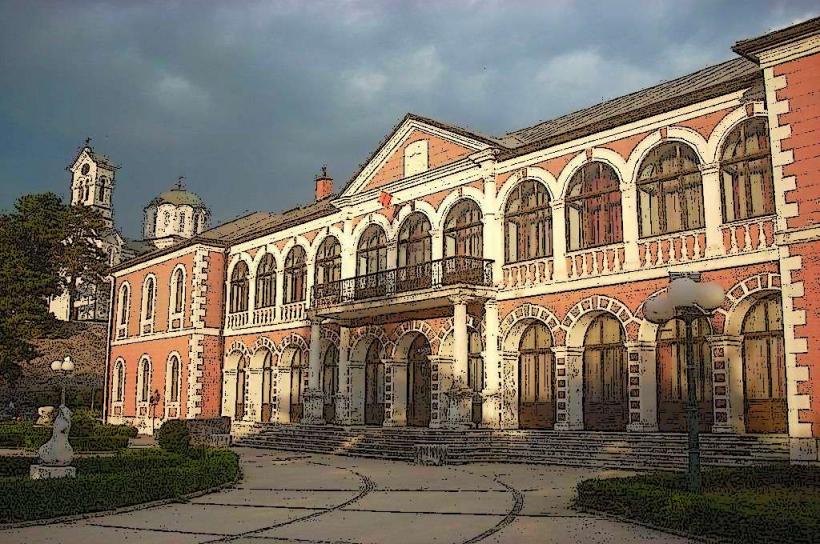
King Nikola's Palace (City Museum) – 0.7km East
Trg Slobode (Freedom Square) – 0.8km East
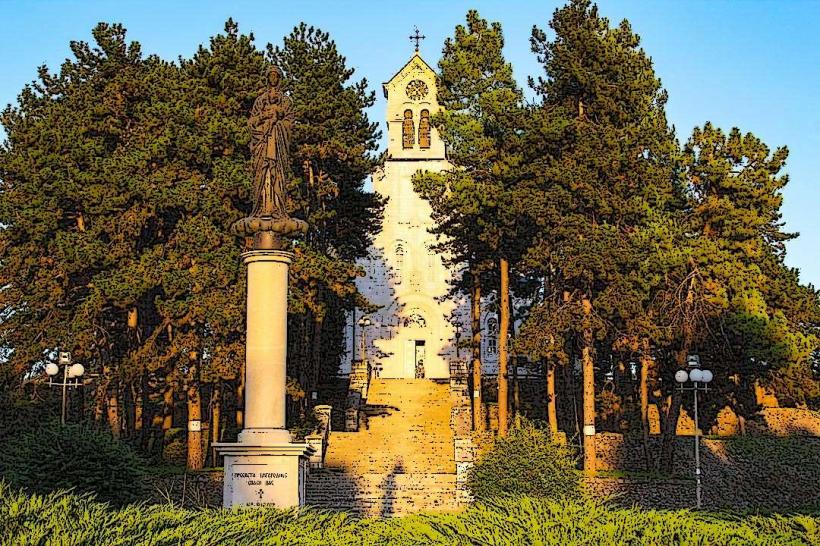
Cathedral of St. Basil of Ostrog – 1.0km East
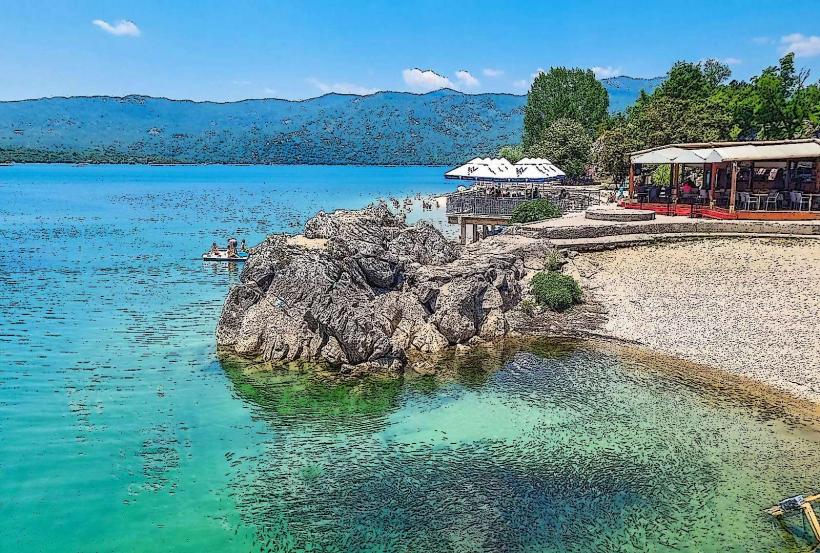
Krupac Lake – 5.0km West
Nikšić Brewery – 1.2km South