Information
Landmark: Onogošt FortressCity: Niksic
Country: Montenegro
Continent: Europe
Onogošt Fortress, Niksic, Montenegro, Europe
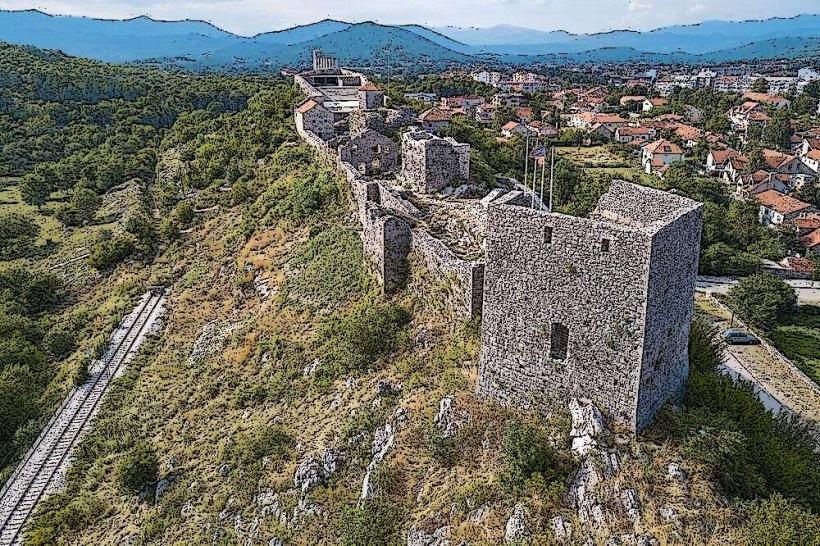
Onogošt Fortress, commonly referred to by the local population as Bedem, is the historical and military nucleus of Nikšić. It is situated on a rocky ridge in the western part of the city, representing a continuous sequence of fortifications from the Roman era to the 19th century.
Visual Characteristics
The fortress is an irregular, elongated stone complex approximately 214 meters in length. Its architecture is characterized by thick limestone ramparts, multi-story bastions, and a central citadel. The most prominent structural elements include the Top-Hana (artillery tower) and the renovated stone gates. The interior contains the ruins of former barracks, a powder magazine, and the foundations of medieval dwellings.
Location & Access Logistics
The site is located on a hill overlooking the western urban center of Nikšić. Access is provided via a paved stone walkway leading from the city's main boulevards. Vehicle parking is available at the base of the fortress hill. It is a 15-minute walk from the Nikšić Railway and Bus stations. Admission to the ramparts is generally open to the public without a fee, except during ticketed cultural events.
Historical & Ecological Origin
The fortress was established on the site of the Roman military camp Anagastum (4th century). During the medieval period, it was known as Onogošt. Most of the extant stone structures date to the Ottoman occupation (17th and 18th centuries), when the fortress was significantly expanded to serve as a frontier bastion. Geologically, it is built upon a karst limestone outcrop that offers a natural defensive elevation above the Nikšić Field.
Key Highlights & Activities
The site is a major cultural venue, most notably serving as the location for the Bedem Fest music festival. Visitors can walk the entire perimeter of the walls, which provide the city's best vantage point for panoramic photography. The southern section offers a direct line of sight to the Cathedral of St. Basil, while the western side overlooks the Zeta river valley.
Infrastructure & Amenities
Infrastructure within the fortress is focused on a central flat plateau used for performances. There are no permanent commercial facilities or restrooms inside the walls; visitors must utilize services in the urban zone 300 meters away. 5G cellular coverage is excellent throughout the site. The area is exposed to the elements, with minimal natural shade on the ramparts.
Best Time to Visit
The late afternoon is the optimal time for visits, as the setting sun highlights the texture of the hewn stone and provides clear views of the valley. It is a year-round destination, though mid-summer (July–August) coincides with major festivals. Midday visits in summer can be physically demanding due to high temperatures on the exposed rock.
Facts & Legends
The fortress was liberated from Ottoman rule in 1877 after a 47-day siege by the Montenegrin army under King Nikola I. A local legend mentions a secret well within the citadel that provided water during sieges, though its location remains a subject of archaeological debate. A verified technical fact is that the fortress was strategically positioned to control the intersection of several major trade routes connecting the coast to the Balkan hinterland.
Nearby Landmarks
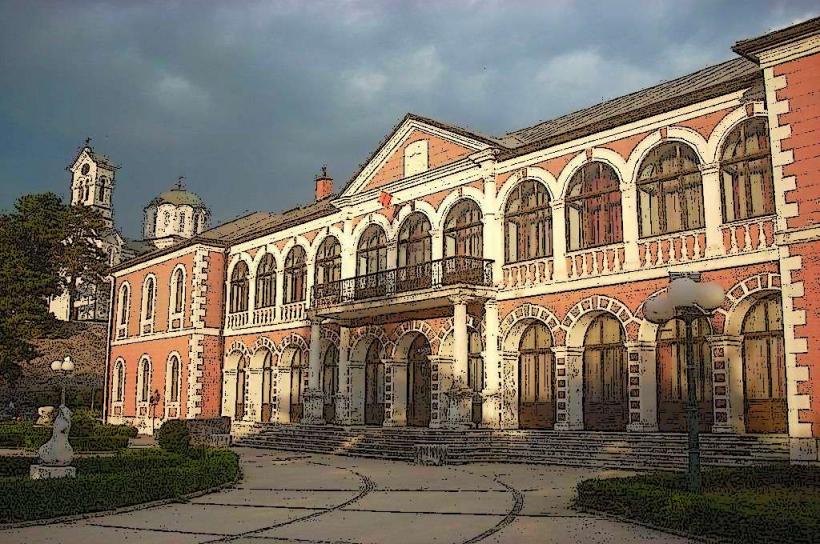
King Nikola's Palace (City Museum) – 0.7km East
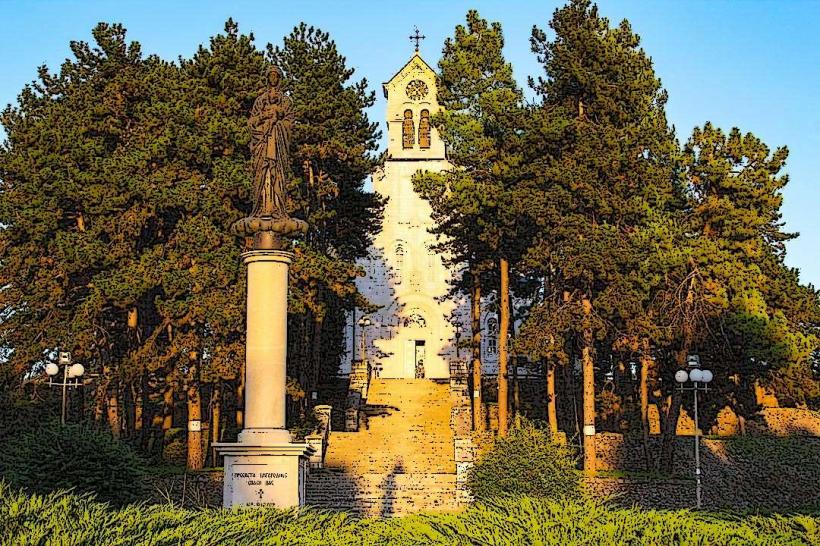
Cathedral of St. Basil of Ostrog – 1.0km East
Trebjesa Park – 1.5km Southeast
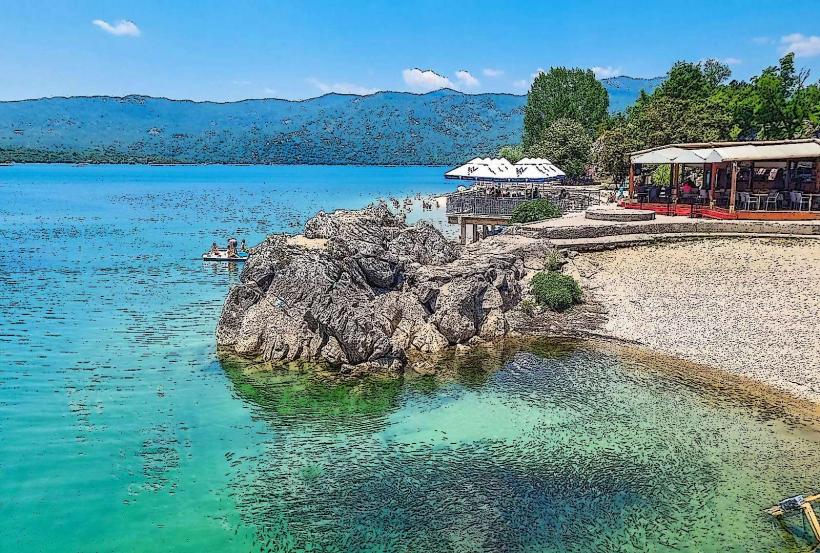
Krupac Lake – 5.0km West
Trg Slobode (Freedom Square) – 0.8km East