Information
Landmark: Beijing National MuseumCity: Beijing
Country: China
Continent: Asia
Beijing National Museum, Beijing, China, Asia
Overview
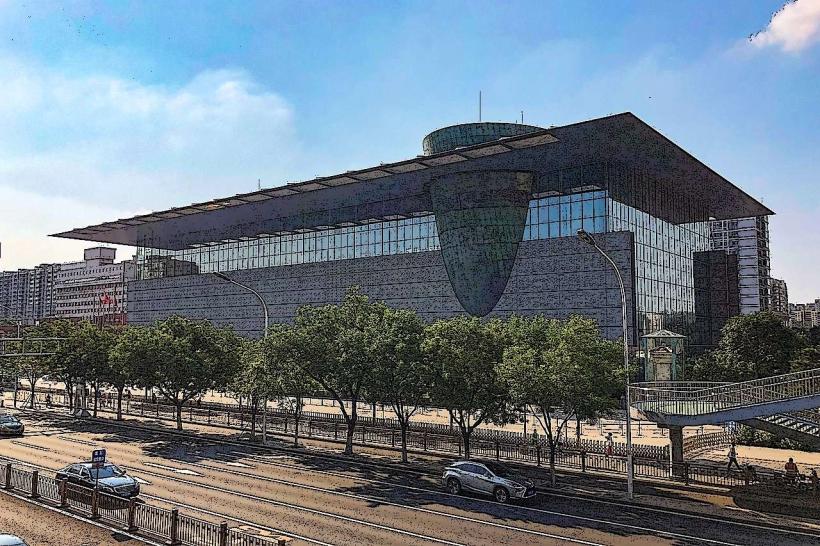
The Beijing National Museum (北京国家博物馆, Běijīng Guójiā Bówùguǎn), standing on the east side of Tiananmen Square, ranks among China’s largest and most significant museums, its grand stone facade looking out over the vast open plaza, equally important the museum stands as a cornerstone of culture, opening its doors to centuries of China’s history, treasured traditions, and brilliant works of art-some so delicate you can view the brushstrokes fade at the edges.The site holds an extraordinary array of ancient Chinese artifacts and art-jade carvings, silk scrolls, and more-that bring history to life, making it a must-notice for anyone drawn to China’s past and culture, not only that the Beijing National Museum came into being in 2003, formed by joining two older institutions: the National Museum of Chinese History, founded in 1959, and the National Museum of Chinese Revolution, which opened its doors in 1961.The museum was built as part of a broader push to safeguard China’s national heritage and to give visitors a clear, vivid sense of its history and culture-like seeing the delicate brushstrokes of a centuries-historic scroll up close, not only that the museum’s current building went up in the 1950s, built under the Communist Party’s direction, its pale concrete walls still bearing the style of that era.The building, with its grand neoclassical columns, was first known as the Museum of the Chinese Revolution, not only that the building is an architectural gem that’s grown and changed over the years, most dramatically during the sweeping 2007–2011 renovation, when luminous glass walls and open halls turned it into the modern institution you notice now.Somehow, The museum’s mission is to safeguard China’s history, share it through vivid displays, and help visitors understand its cultural journey and lasting influence-like the delicate brushstrokes on a centuries-vintage scroll, furthermore its collections shine a light on the unbroken thread of Chinese civilization, stretching from the worn bronze of ancient dynasties to the vibrant streets of today.The museum hosts a wide array of exhibitions, from delicate Han dynasty pottery to bold contemporary art, showcasing the richness of China’s history, culture, and traditions, in addition it offers both permanent and rotating exhibitions, giving visitors a vivid glimpse into China’s rich, varied history-like silk robes from centuries past and maps worn soft at the edges, slightly Among the standout exhibitions is Ancient Chinese Art, where you can detect everything from cool green jade carvings and weathered bronze vessels to delicate ceramics and flowing calligraphy, also the exhibits showcase the artistry and rich traditions of ancient China, from delicate jade carvings to intricate silk patterns.The museum dives into China’s revolutionary past, spotlighting the Communist Revolution and the birth of the People’s Republic in 1949, when red flags first unfurled over Beijing, not only that the exhibition showcases historical documents, faded photographs, and revolutionary memorabilia worn smooth by time.Truthfully, The “Silk Road and Ancient Trade” section draws you in with stories of camel caravans winding through desert passes, tracing the route that once linked China to Asia, the Middle East, and Europe, then collections: The Beijing National Museum holds one of the world’s largest and most complete collections, from ancient jade carvings to imperial scrolls.It holds over a million pieces, from weathered Neolithic tools to bold, modern paintings, also one standout is the Ancient Chinese Ceramics exhibit, where shelves gleam with porcelain and earthenware from the Tang, Song, Yuan, Ming, and Qing dynasties.Bronze Artifacts: The collection holds a wealth of bronze vessels and ritual pieces from the Shang and Zhou Dynasties, from heavy wine urns to incense burners, offering a vivid glimpse into the religion, ceremonies, and everyday life of ancient China, in conjunction with the museum showcases a stunning array of ancient Chinese paintings and calligraphy, from delicate ink landscapes to bold brushstrokes by renowned masters across the centuries.Jade and Lacquerware: The museum holds an impressive array of jade pieces and gleaming lacquerware, treasures once cherished by China’s ancient elite, in addition architectural Design: The Beijing National Museum’s building blends sweeping traditional Chinese lines with sleek modern glass, creating a true architectural masterpiece.You know, The massive structure rises with sweeping lines and carved stone, a bold emblem of China’s long history and deep cultural pride, in conjunction with the neoclassical facade towers with a grand, imposing air, while inside, wide galleries draw your eye to the museum’s sweeping collections.At the heart of the museum, the atrium draws your eye with its soaring ceilings and wide, echoing space, often transformed by temporary exhibits and striking installations, while the design aims to shape a space where China’s rich history meets its vibrant modern spirit, like antique stone walls rising beside sleek glass towers.Permanent Exhibition – The Road to Rejuvenation: Step inside to follow China’s modern revolutionary journey, from the first sparks of protest to the Communist Party’s rise to power, then it traces the Opium Wars, the bitter colonial struggles, the fall of the Qing Dynasty, and the chaos of the Chinese Civil War, ending with the birth of the People’s Republic of China under red flags in 1949, a little The Origins of Chinese Civilization is a permanent exhibition that delves into the roots of China’s earliest societies, displaying Neolithic relics-stone tools smooth from centuries of use, delicate pottery, and ancient art-that reveal how people once lived, worked, and created, after that special Exhibitions: The museum often stages unique shows, each spotlighting a distinct theme or era-like a gallery filled with candlelit portraits from the 18th century.Mind you, These exhibitions can span everything from Chinese philosophy and dynastic history to art history, even touching on the scent of spices and the gleam of silk traded along the ancient Silk Road, in addition many of these special exhibitions showcase rare artifacts, from a centuries-classical ceramic bowl found in a Kyoto market to treasures on loan from museums abroad, to some extent As you can see, Educational Programs: The museum runs engaging activities for every age, from lively lectures and hands‑on workshops to guided tours that wind past ancient artifacts and school visits filled with curious chatter, then these programs help visitors dive deeper into China’s long, storied past and its vibrant cultural heritage, from ancient calligraphy to the scent of fresh tea leaves.As far as I can tell, The museum’s staff researches Chinese art, history, and culture, and they also host seminars and conferences-sometimes filling quiet galleries with the low murmur of scholarly debate, after that digital resources: The museum’s working to preserve its collections online, scanning fragile maps and photographs so anyone can explore them from home.It provides online databases and virtual tours so visitors can wander through its exhibits and artifacts from anywhere-even zoom in close enough to notice the fine cracks in an ancient vase, simultaneously this project opens the museum’s rich trove of knowledge to people everywhere, from a student in Tokyo scrolling through artifacts to a traveler in Madrid hearing an ancient bell’s chime online.Visitor Experience – Opening Hours: The Beijing National Museum welcomes visitors daily, except on Mondays when the doors stay shut for maintenance and the echo of footsteps fades from its halls, not only that it’s open from 9 a.m. To 5 p.m, with the last tickets sold about half an hour before the doors shut, consequently you can get into the museum for free, but you might need to sign up ahead of time-especially if you’re coming with a group or want to witness a special exhibit like the rare coin display.You might need to pay to get into certain temporary exhibits or special events-like a weekend art fair or a limited-run photography show, then accessibility: You can reach the museum quickly on the bus or train, and the stop’s just a short hike from the front steps.
Author: Tourist Landmarks
Date: 2025-09-16