Information
Landmark: Benefit StreetCity: Providence
Country: USA Rhode Island
Continent: North America
Benefit Street, Providence, USA Rhode Island, North America
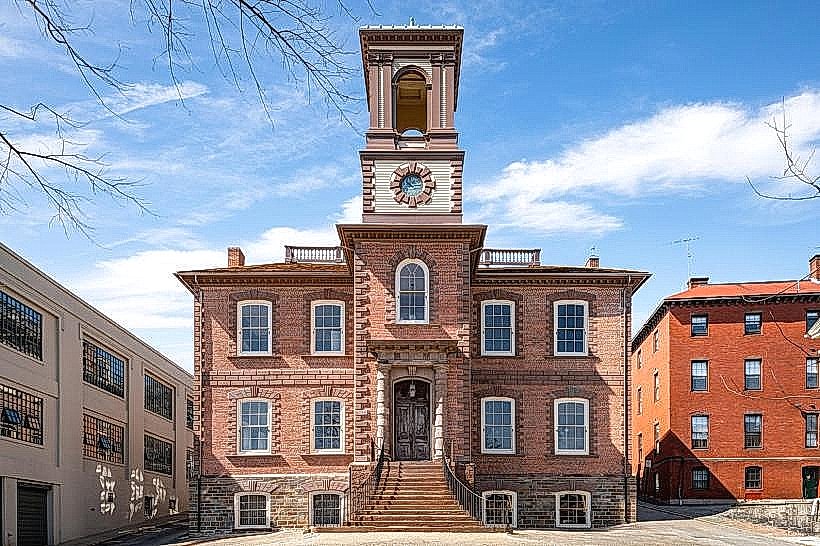
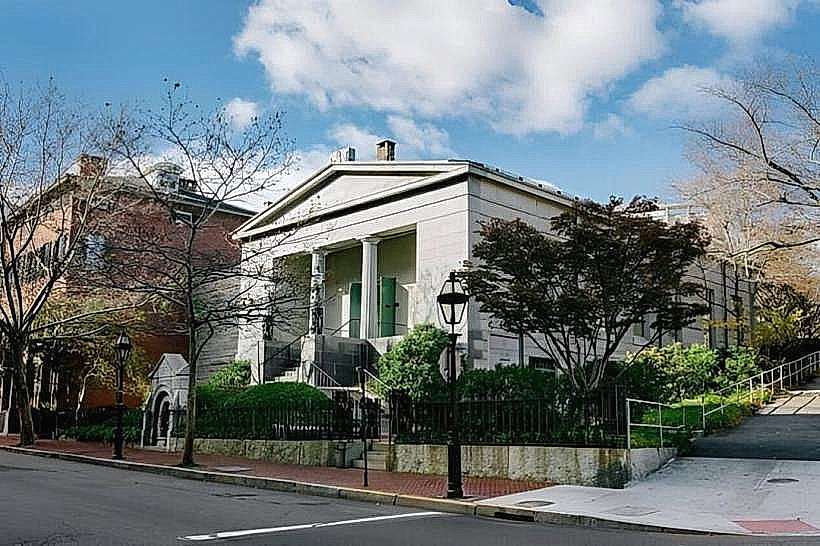
Benefit Street, often called the “Mile of History”, is one of Providence, Rhode Island’s most historically significant thoroughfares. Stretching roughly a mile through the city’s College Hill neighborhood, it is lined with an extraordinary concentration of 18th- and 19th-century Colonial, Federal, and Victorian homes, making it a living showcase of Providence’s architectural and cultural heritage.
Historical Background
Benefit Street was laid out in the late 17th century and quickly became a residential street for Providence’s prominent families, merchants, and civic leaders. The street reflects the city’s growth during the 18th and 19th centuries, with homes built by wealthy merchants who benefited from Providence’s maritime trade. Many structures have been meticulously preserved, restored, or adapted over the centuries, giving the street its nickname for the remarkable continuity of historic architecture.
Architecture and Landmarks
Benefit Street features a diverse range of architectural styles, with most buildings dating from 1700–1900. Notable highlights include:
John Brown House (1786): A grand Federal-style mansion of the influential Brown family, now a museum showcasing period furnishings and decorative arts.
Henry Warner House and other Colonial-era residences: Exemplify early Providence domestic architecture with brick and clapboard façades, wooden shutters, and steeply pitched roofs.
19th-Century Rowhouses and Victorian Homes: Introduce ornate woodwork, decorative trim, and multi-story layouts, reflecting the evolution of Providence’s residential architecture.
The street’s consistent scale, narrow sidewalks, and mature trees create a cohesive, almost village-like atmosphere despite its urban setting. Many homes retain original doors, windows, and interior details, offering a tangible connection to Providence’s past.
Cultural and Community Significance
Benefit Street is part of the College Hill Historic District, one of the largest National Historic Landmark districts in the United States. The street reflects Providence’s social, economic, and cultural history, illustrating the lives of merchants, educators, and civic leaders over three centuries. Many buildings are now museums, offices, or private residences, allowing for both preservation and contemporary use. Walking the street provides insight into urban development, architectural trends, and the city’s maritime prosperity.
Visitor Experience
A stroll along Benefit Street is immersive, offering both visual delight and historical context. Cobblestone paths, brick sidewalks, and wrought-iron fences complement the historic homes. Interpretive plaques, museums like the John Brown House, and guided tours allow visitors to understand the street’s history and architecture. Seasonal variations, from flowering gardens in spring to snow-dusted rooftops in winter, add to the street’s charm. The street is pedestrian-friendly, encouraging leisurely exploration and photography.
Atmosphere and Aesthetic
Benefit Street exudes a quiet, contemplative atmosphere, with centuries-old homes lining narrow streets shaded by mature trees. The combination of brick, clapboard, and stone façades, along with period landscaping, evokes a sense of stepping back in time. Despite its proximity to downtown Providence, the street retains a calm, residential character, blending historic preservation with urban life.
Closing Impression
Benefit Street, the “Mile of History,” is a quintessential Providence landmark, offering a rare, continuous view of colonial and early American architecture. Its historic homes, cobblestone sidewalks, and cultural institutions provide visitors with a tangible connection to the city’s past. Walking the street is both an educational and aesthetic experience, capturing the elegance, history, and character of Providence across three centuries.