Information
Landmark: Downtown Providence Historic DistrictCity: Providence
Country: USA Rhode Island
Continent: North America
Downtown Providence Historic District, Providence, USA Rhode Island, North America
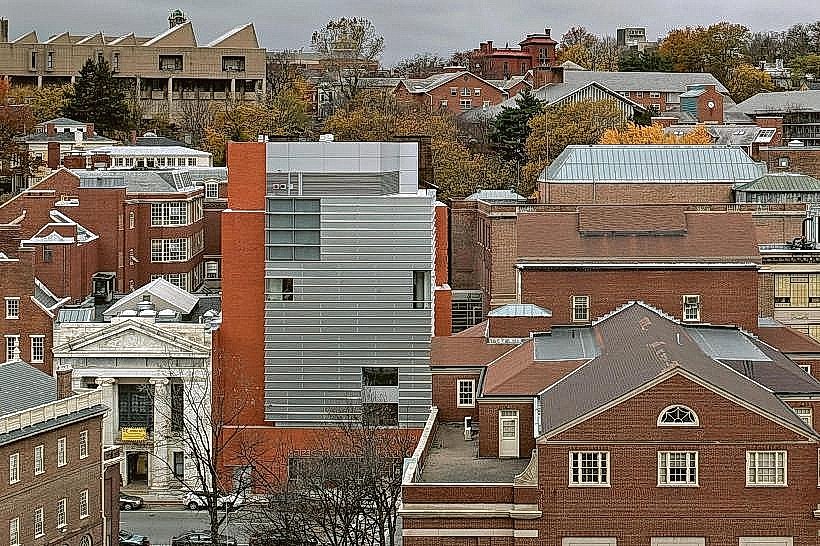
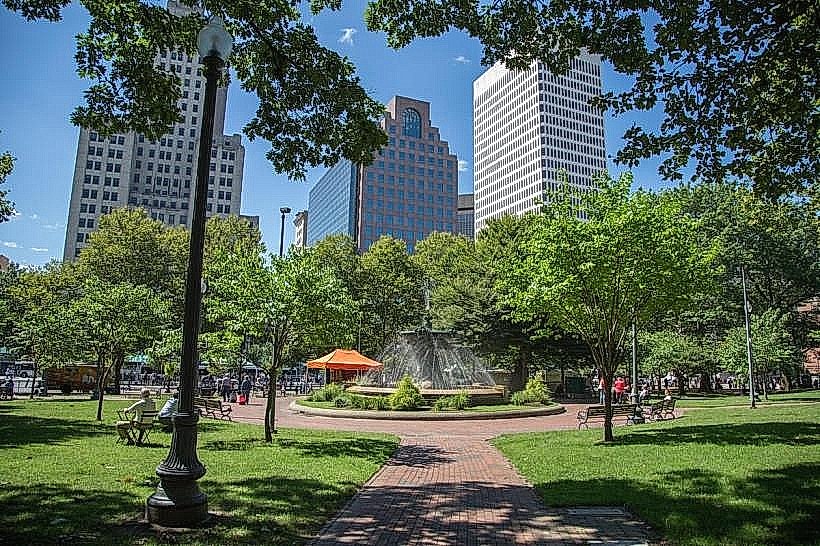
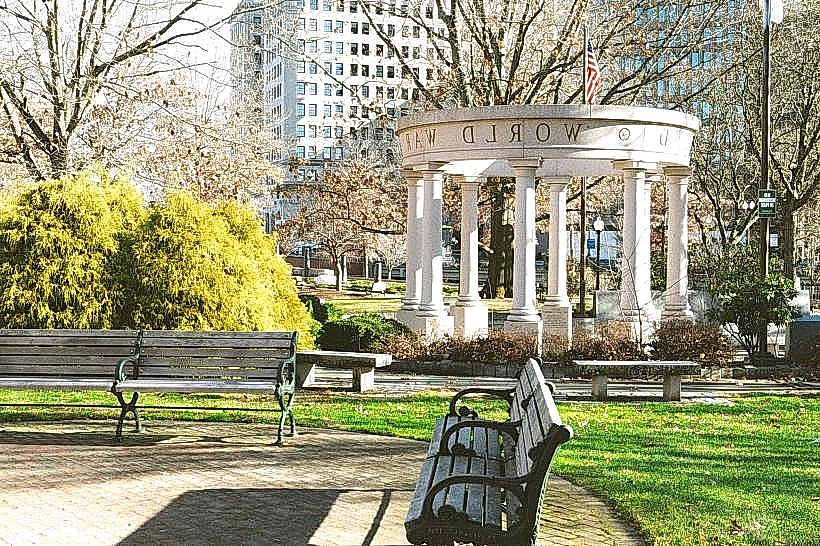
The Downtown Providence Historic District is the historic and commercial heart of Providence, Rhode Island, encompassing a rich concentration of architecturally and culturally significant buildings. It reflects the city’s evolution from a 17th-century settlement to a thriving 19th- and early 20th-century urban center, preserving a mix of commercial, civic, and industrial heritage. The district is recognized for its dense architectural variety, landmark structures, and role in shaping Providence’s civic and economic life.
Historical Background
Downtown Providence developed rapidly in the 18th and 19th centuries as the city became a hub for maritime trade, manufacturing, and finance. Wealth generated from shipping, textiles, and industry funded the construction of grand commercial buildings, banks, and civic institutions. The Historic District preserves these layers of urban development, showcasing the city’s economic and cultural growth through multiple centuries. Many structures are listed on the National Register of Historic Places, reflecting their significance in American urban and architectural history.
Architecture and Landmarks
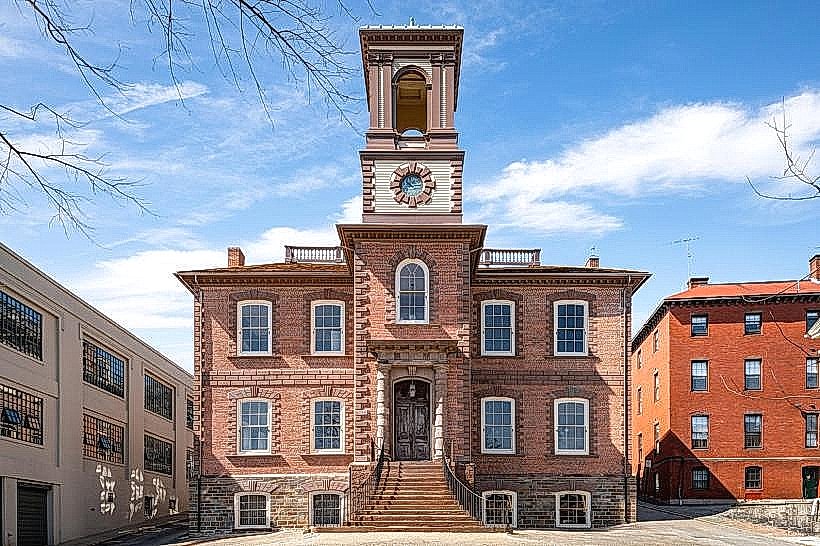
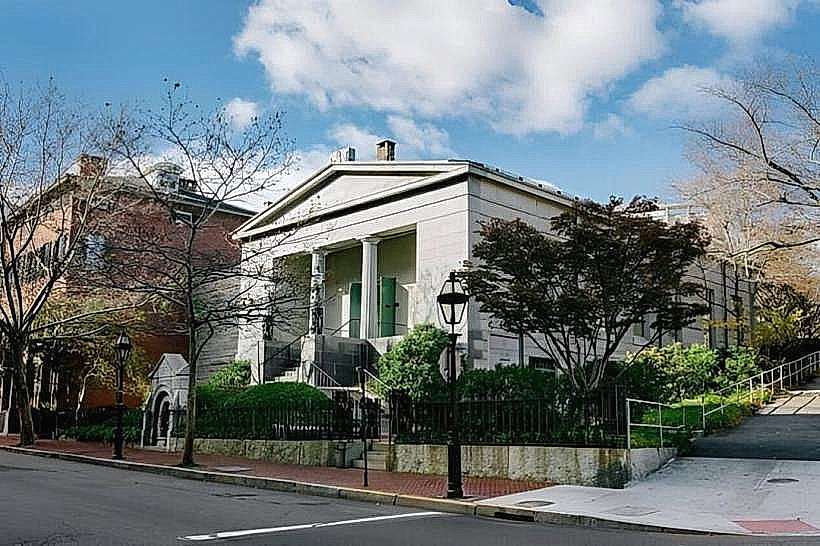
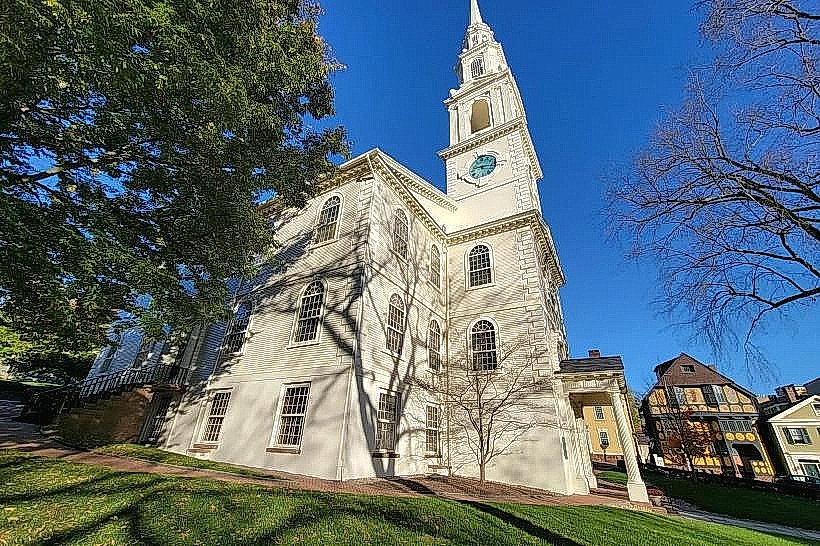
The district features a wide array of architectural styles, including Colonial Revival, Italianate, Gothic Revival, Beaux-Arts, Art Deco, and Modernist. Notable buildings and landmarks include:
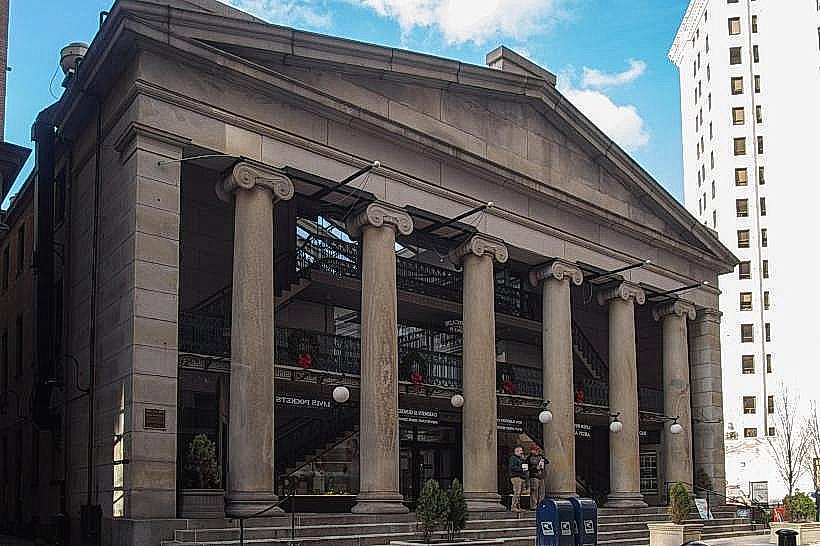
Industrial and Commercial Buildings: Historic warehouses, banks, and office buildings reflect Providence’s mercantile past.
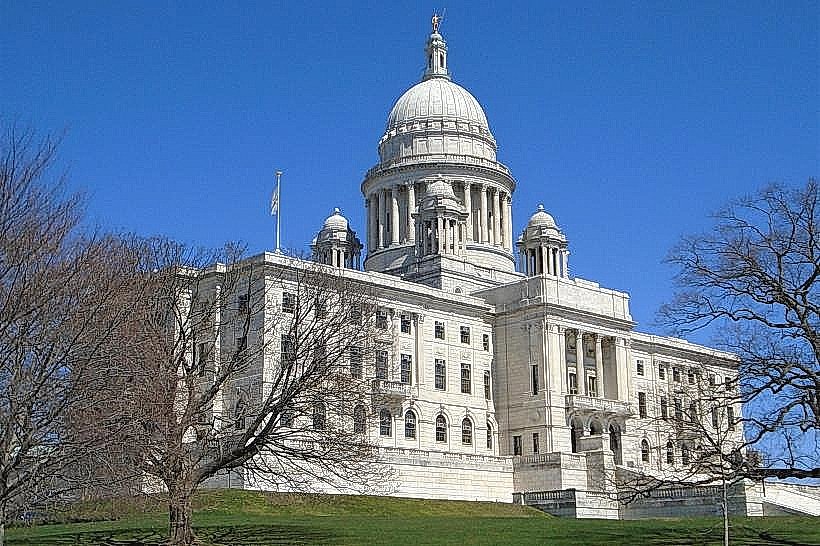
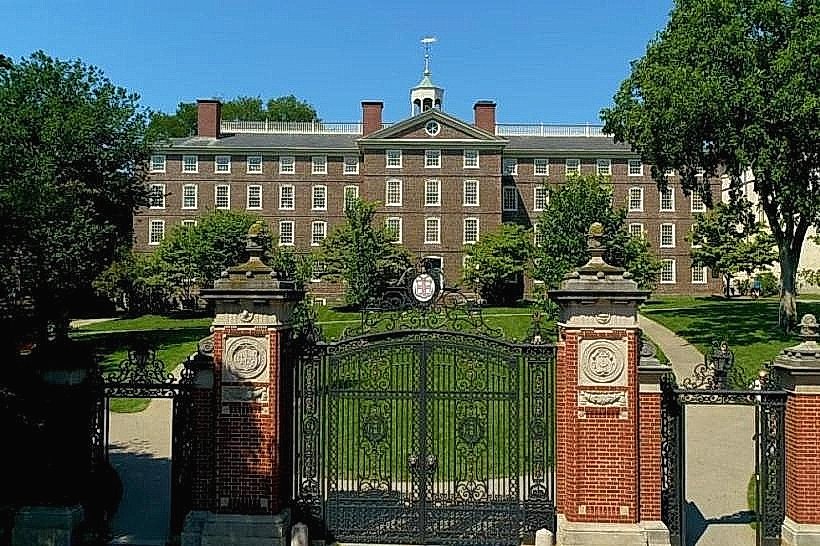
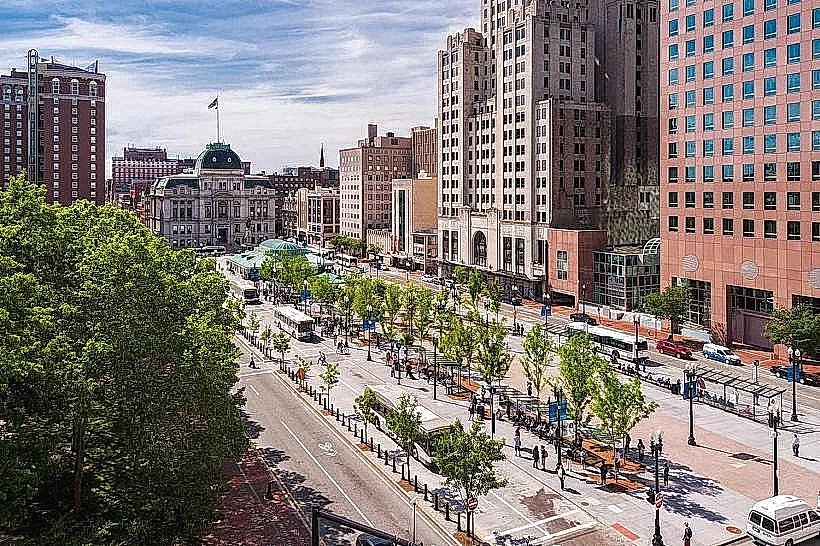
Civic and Cultural Institutions: Structures such as City Hall, Federal Building, and Trinity Repertory Company embody the civic and cultural growth of the city.
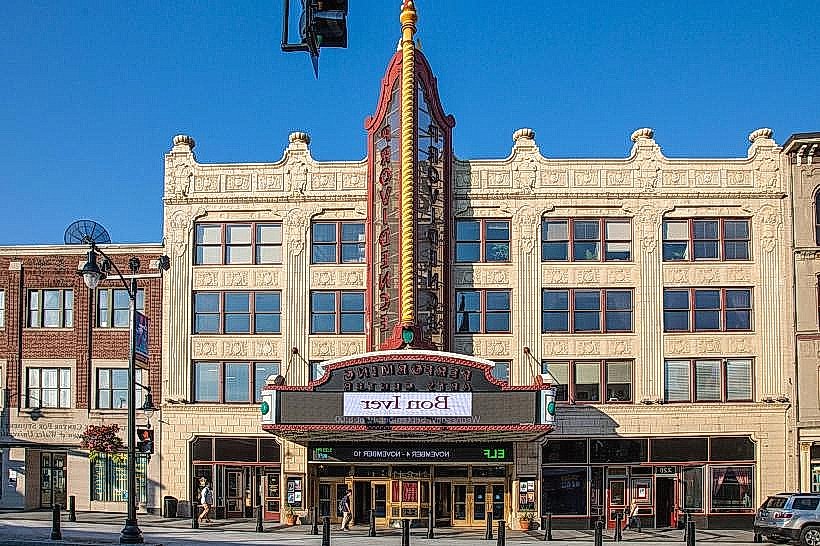
Historic Hotels and Theatres: Including the Park and Biltmore Hotels and the Providence Performing Arts Center, preserving early 20th-century grandeur.
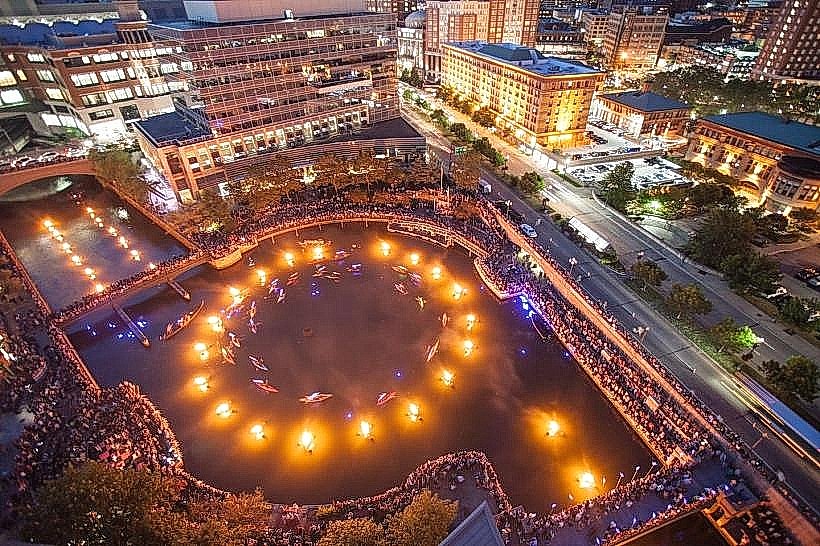
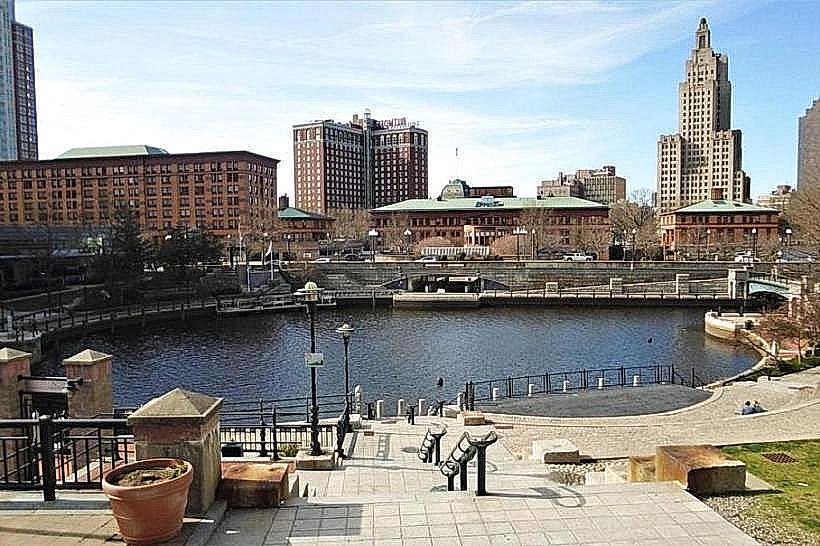
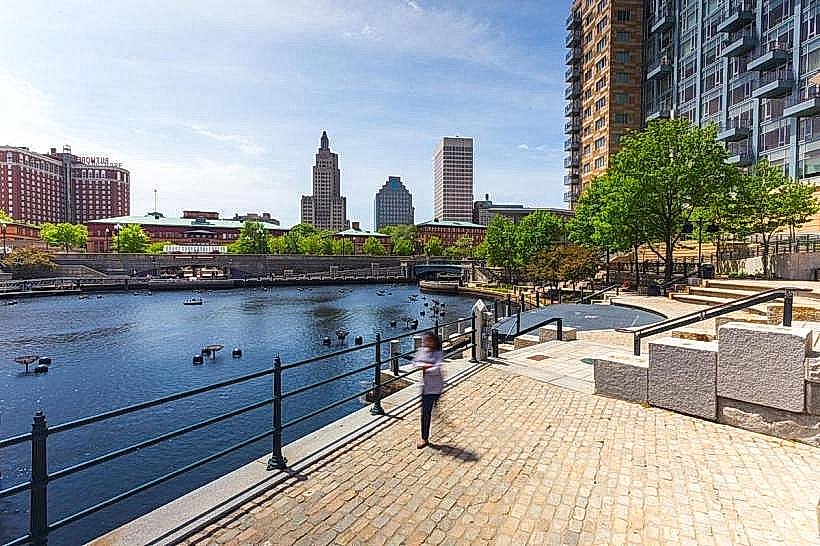
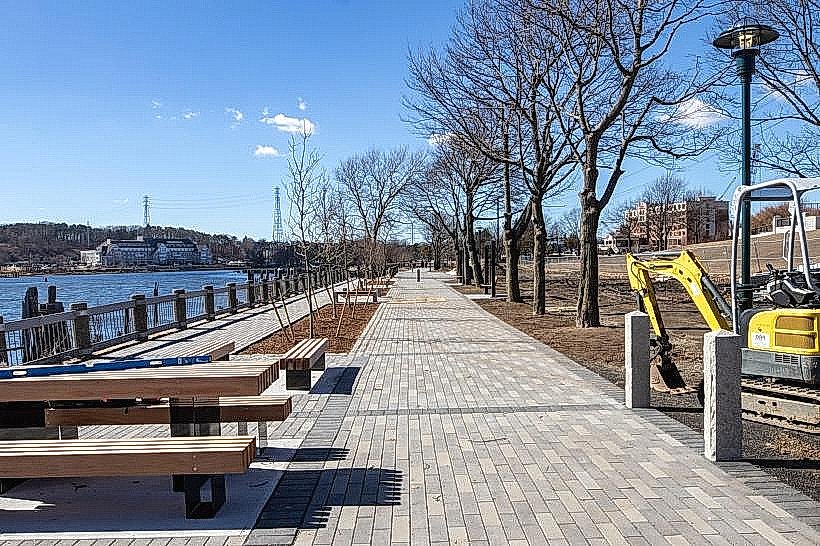
Providence Riverfront: Features bridges, wharfs, and early 20th-century riverfront structures, linking commerce with urban life.
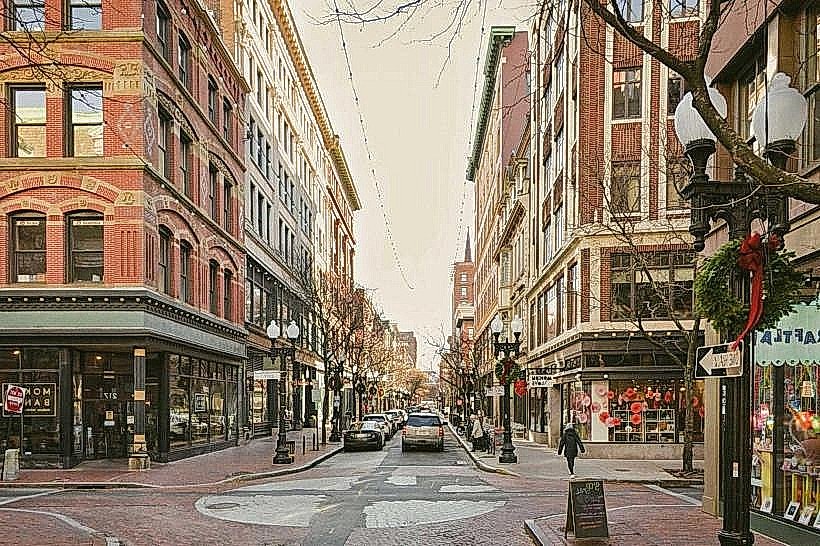
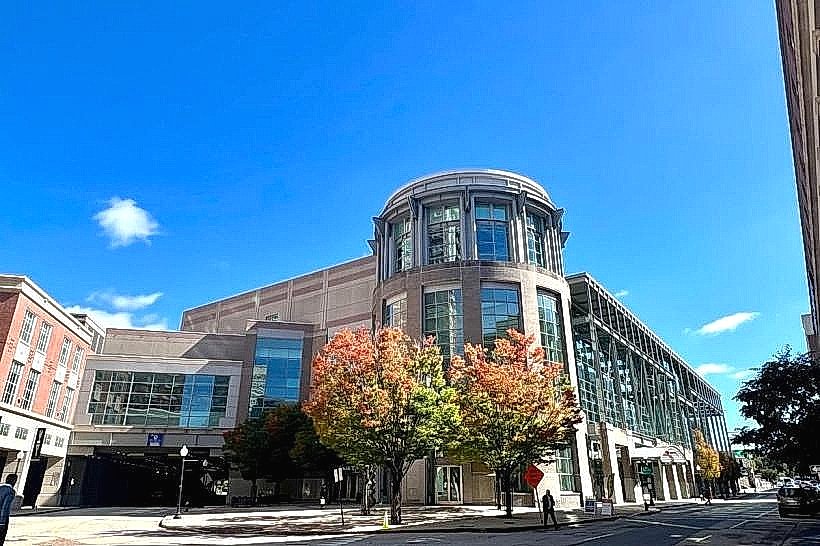
Streets like Dorrance Street, Westminster Street, and surrounding avenues retain original façades, decorative cornices, and cast-iron details, providing a tangible sense of Providence’s historic downtown streetscape.
Cultural and Economic Significance
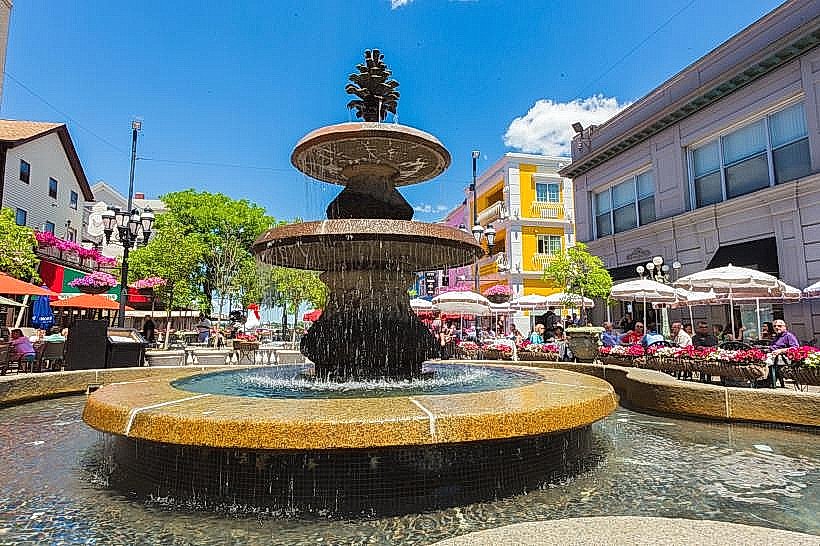
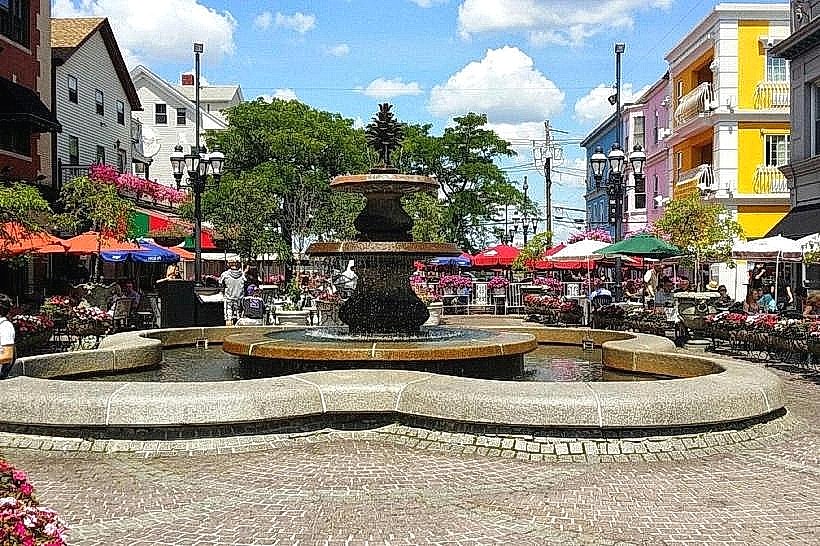
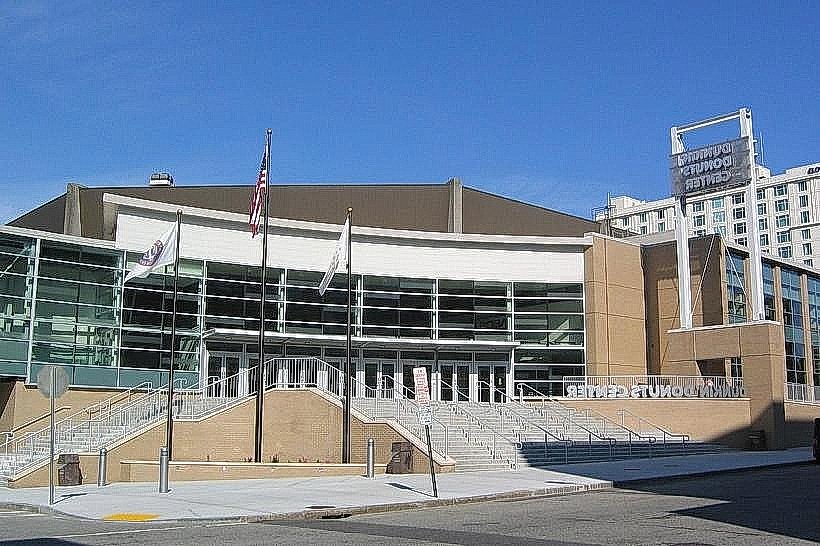
The district has historically been the center of Providence’s commerce, government, and social life. Banking, trade, and entertainment thrived here, while civic ceremonies and public gatherings occurred in its squares and plazas. Today, the area balances preservation with modern use, hosting offices, retail, dining, cultural institutions, and residential conversions, making it both a functional urban core and a historic showcase.
Visitor Experience
Walking through the Downtown Historic District offers an immersive urban experience. Visitors encounter a blend of historic architecture, active streets, and cultural landmarks. Guided tours highlight architectural details, historic events, and notable buildings, while independent exploration allows one to appreciate the scale, ornamentation, and layering of different eras. Seasonal events, festivals, and outdoor art installations add vibrancy to the streetscape.
Atmosphere and Aesthetic
The district’s streets are characterized by dense, vertical façades, elegant masonry, and ornamental details that convey a sense of urban permanence and historic pride. Sunlight glints off historic windows, cast-iron cornices, and stone carvings, while pedestrian activity and occasional street performances animate the historic setting. Despite modernization, the district retains a strong sense of historical continuity and urban identity.
Closing Impression
The Downtown Providence Historic District is a living testament to the city’s commercial, cultural, and architectural legacy. Its historic buildings, diverse styles, and civic landmarks illustrate centuries of urban development and economic growth. The district offers visitors a layered, walkable experience of Providence’s past and present, combining architectural beauty, cultural significance, and the vibrancy of an active city center.