Information
Landmark: Block Island National Wildlife RefugeCity: New Shoreham
Country: USA Rhode Island
Continent: North America
Block Island National Wildlife Refuge, New Shoreham, USA Rhode Island, North America
Location and Overview
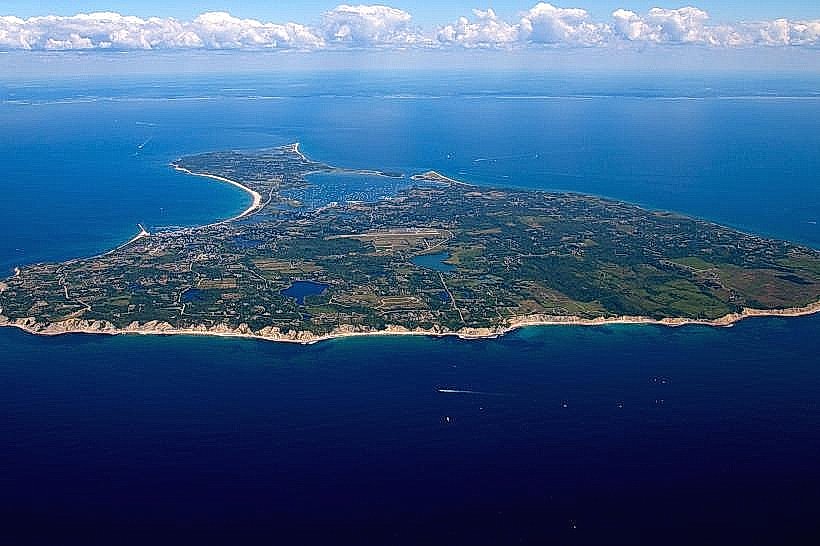
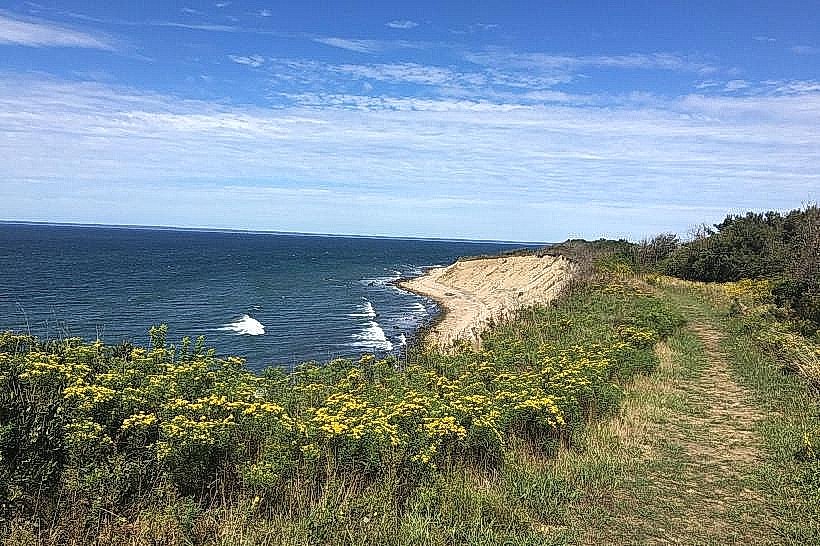
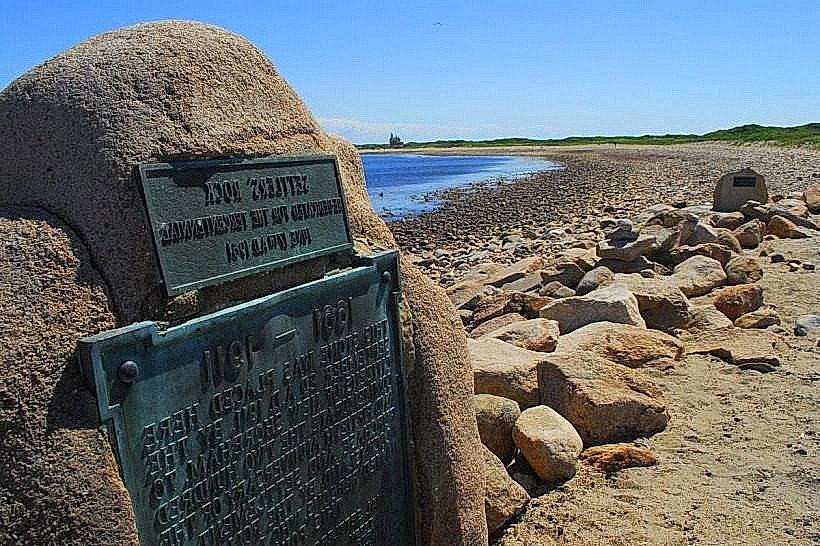
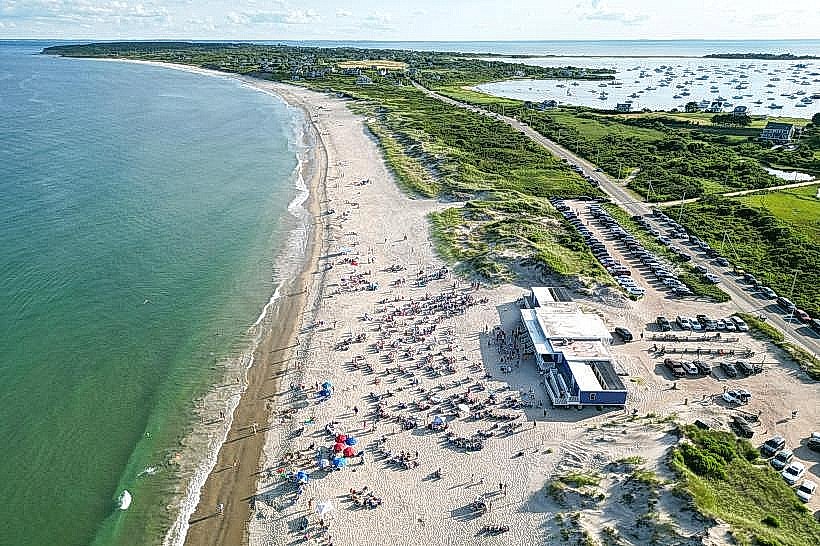
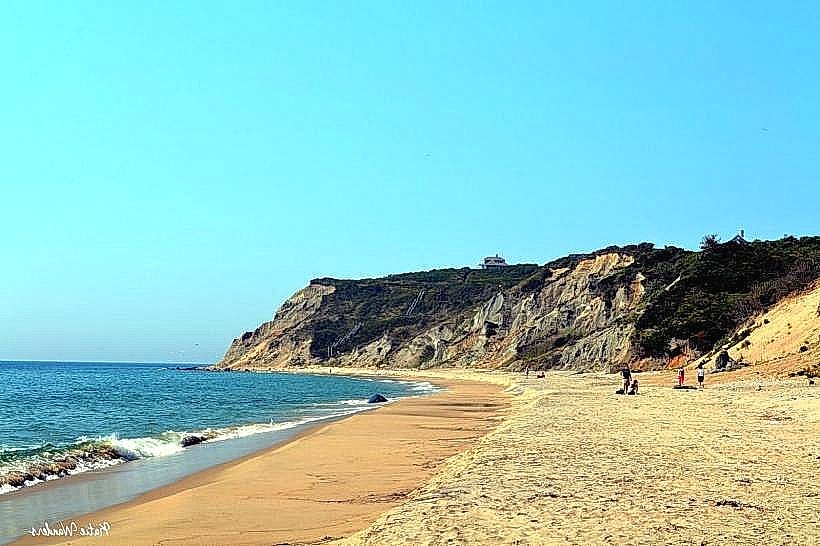
Block Island National Wildlife Refuge occupies the northern tip of Block Island, Rhode Island, encompassing over 600 acres of coastal habitat. Established in 1973, it protects critical nesting and migratory sites for numerous bird species and serves as a sanctuary for native flora and fauna. The refuge is characterized by windswept bluffs, rocky shorelines, salt marshes, and open grasslands, creating a patchwork of habitats within a relatively compact area.
Wildlife and Birdwatching
The refuge is renowned for its bird populations. During migration seasons, visitors can spot species such as piping plovers, least terns, and various shorebirds. Raptors, including ospreys and peregrine falcons, are often seen patrolling the cliffs. Small mammals like rabbits, foxes, and occasional deer inhabit the grasslands and wooded patches, while the coastal waters are frequented by harbor seals and seabirds feeding on fish.
Trails and Visitor Access
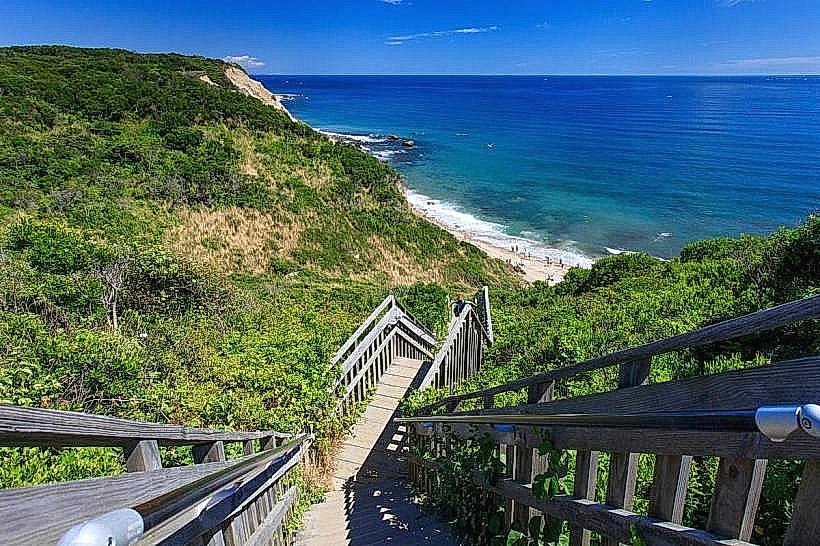
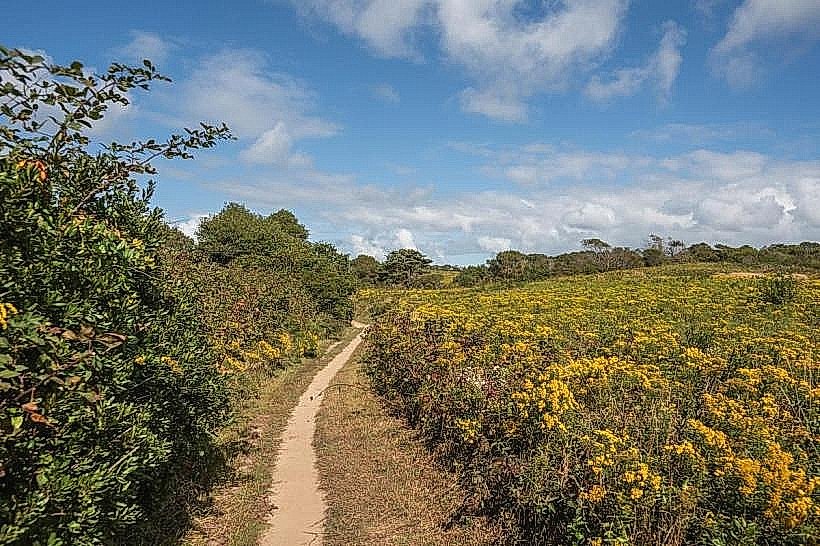
A network of trails and boardwalks winds through the refuge, allowing visitors to explore different habitats while minimizing disturbance to wildlife. Trails along the northern cliffs provide sweeping ocean views, and interpretive signage offers insights into the area’s ecological significance and conservation efforts. Some trails lead to the northern tip where the cliffs provide dramatic vantage points for observing migratory birds and the Atlantic beyond.
Photography and Nature Observation
Photographers and nature enthusiasts are drawn to the refuge for its combination of rugged coastal landscapes and diverse wildlife. Early mornings or late afternoons bring soft, golden light over the cliffs and marshes, highlighting textures of rock, sand, and grasses. Birdwatchers often bring binoculars and spotting scopes to observe nesting colonies from a respectful distance, capturing intimate details of avian behavior.
Conservation and Atmosphere
The refuge embodies a quiet, preserved corner of Block Island where human presence is secondary to natural rhythms. Walking the trails, one can hear the rush of ocean waves, the calls of migratory birds, and the rustle of grasses in the wind. It remains a vital haven for wildlife and a place for visitors to experience the island’s unique coastal ecosystem and conservation legacy.