Information
Landmark: Burntside LakeCity: Ely
Country: USA Minnesota
Continent: North America
Burntside Lake, Ely, USA Minnesota, North America
Burntside Lake – In Detail
Geographic and Physical Characteristics
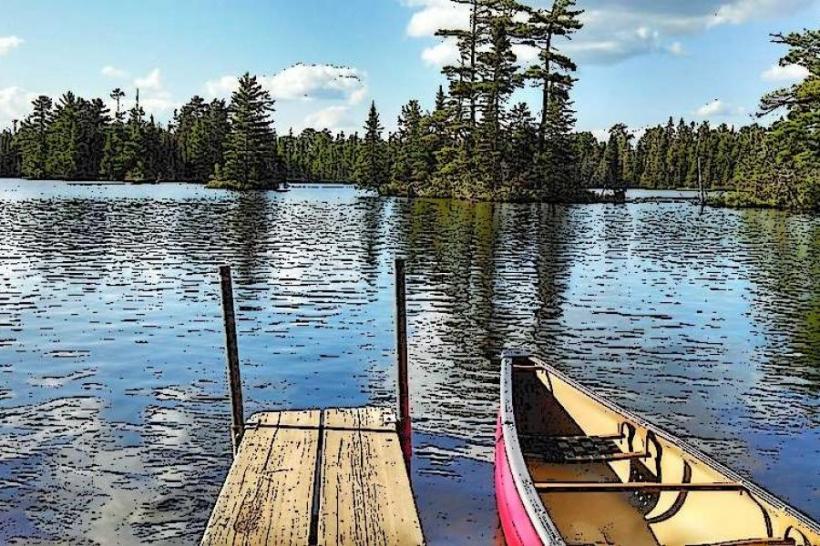
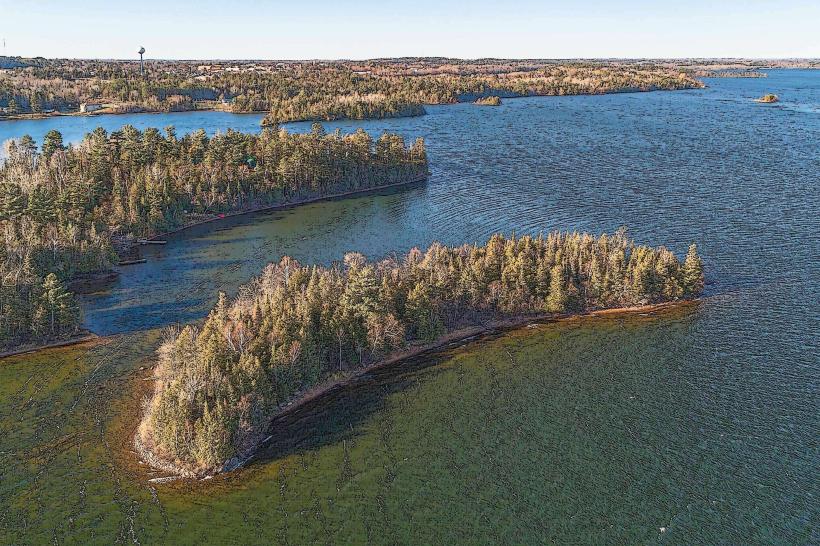
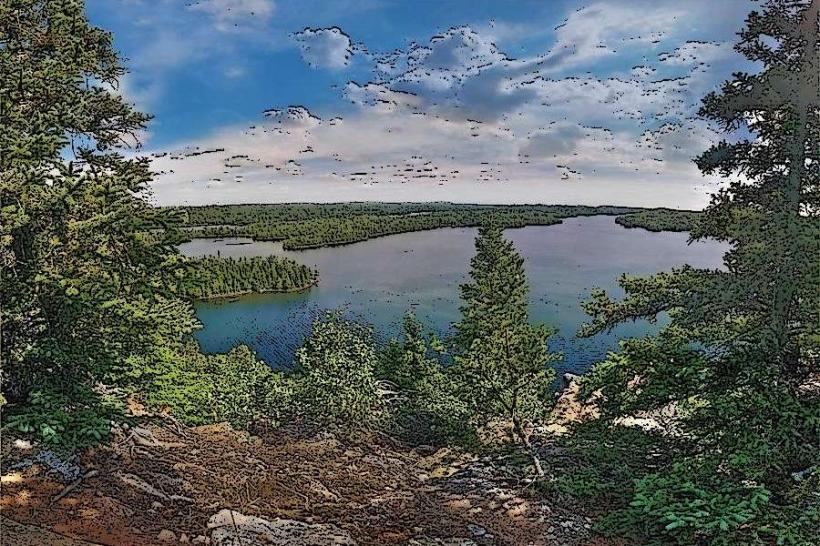
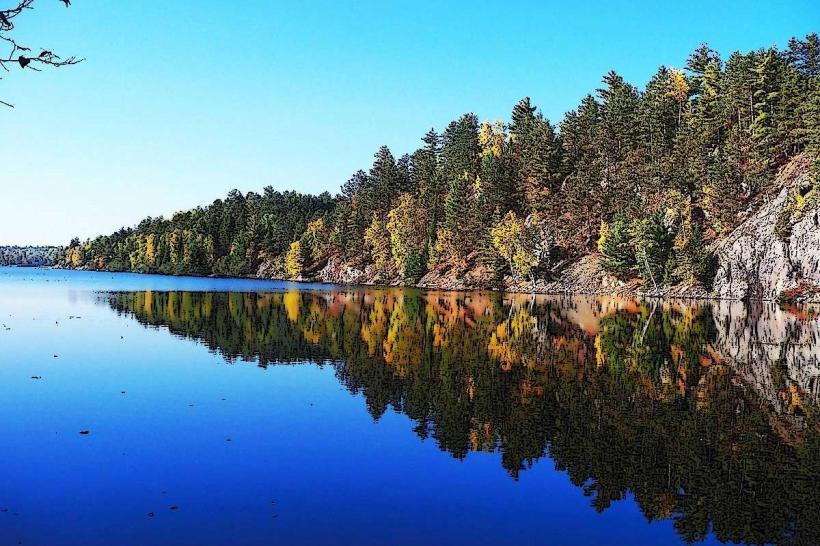
Burntside Lake is a large, pristine freshwater lake situated about 3 miles northwest of Ely, Minnesota, covering approximately 7,139 acres with a maximum depth of 126 feet. It is part of the extensive network of lakes in northern Minnesota’s forested landscape, characterized by crystal-clear waters, rocky shorelines, and over 100 islands scattered throughout its expanse. These islands vary in size and terrain, with some heavily forested and others featuring exposed rock outcrops, adding to the lake’s rugged wilderness character.
The lake’s shoreline is irregular and heavily indented, offering a mosaic of coves, bays, and peninsulas. Its western boundary connects to the Boundary Waters Canoe Area Wilderness (BWCAW) via Tamarack Creek, providing a continuous corridor of protected wilderness that attracts paddlers, anglers, and outdoor enthusiasts.
Ecological Environment
Burntside Lake lies within the northern boreal forest ecosystem, dominated by a mix of coniferous and deciduous trees. The forests surrounding the lake consist primarily of red and white pines, balsam fir, paper birch, and aspen, creating a vibrant natural backdrop that changes with the seasons-lush green in summer and vivid reds, oranges, and yellows in autumn.
The lake’s water quality is exceptionally high, supporting diverse aquatic habitats. Its clear, cold waters provide ideal conditions for a variety of fish species, including lake trout, walleye, northern pike, smallmouth bass, and yellow perch. The surrounding wetlands and shoreline habitats support abundant bird life, including loons, ospreys, bald eagles, and various waterfowl species.
Historical and Cultural Significance
Burntside Lake holds considerable historical importance as a hub of early 20th-century logging and wilderness tourism. It is home to some of the oldest continuously operating wilderness resorts in the region:
Burntside Lodge, established in 1913, is a historic resort located on the southern shore. It blends rustic charm with modern amenities and has served as a base for generations of travelers seeking wilderness experiences.
Camp Van Vac, founded in 1918, offers a glimpse into early 20th-century camp life with its original hand-crafted log cabins, preserving traditional architecture and historic ambiance.
Camp Widjiwagan, operated by the YMCA, focuses on outdoor education and wilderness skills, emphasizing youth engagement with nature.
One of the lake’s notable historical landmarks is Listening Point, the private retreat of renowned conservationist and author Sigurd F. Olson. This property, now an open-air museum and National Historic Landmark, embodies Olson’s legacy of wilderness preservation and environmental stewardship.
Additionally, Burntside Lake is home to the wreck of the Bull-of-the-Woods Logging Scow, a late 19th-century paddle steamer integral to the logging industry’s history, now recognized on the National Register of Historic Places.
Recreation and Outdoor Activities
Burntside Lake is a premier destination for a variety of recreational pursuits:
Boating and Paddling: The lake’s vast network of islands and sheltered bays make it ideal for canoeing, kayaking, paddleboarding, and pontoon boating. Rental services at Burntside Lodge offer a range of watercraft including hydrobikes and paddleboards.
Fishing: Anglers are drawn by the lake’s healthy populations of lake trout, walleye, northern pike, smallmouth bass, and perch. Both shore and boat fishing are popular, with some remote islands offering secluded fishing spots.
Swimming and Relaxation: The lake’s clean, clear waters are inviting for swimming, and resorts often provide sandy beaches and swimming areas.
Hiking and Wildlife Viewing: Trails around the lake and within adjoining forest lands allow for hiking and wildlife observation. Birdwatchers can spot loons, bald eagles, and a variety of songbirds, while mammals such as deer and otters are frequently seen.
Historic and Educational Tours: Guided boat tours provide historical context, highlighting landmarks such as Listening Point and the logging scow wreck site, enriching visitors’ understanding of the lake’s cultural and natural heritage.
Seasonal Dynamics
Summer (June to August): Peak season for all water-based activities, with warm temperatures and extended daylight. Insect activity, including mosquitoes and black flies, is highest in early summer but can be managed with repellent.
Fall (September to October): The lake’s surroundings transform into a spectacular display of autumn foliage. Cooler temperatures and fewer visitors make it a prime time for hiking, photography, and quiet paddling.
Winter (November to March): The lake typically freezes over, and while ice fishing is popular in the region, Burntside Lake’s size and access points mean it is less frequented than smaller lakes. Nearby areas offer opportunities for snowshoeing and cross-country skiing.
Spring (April to May): The thawing season brings renewed wildlife activity and emerging greenery. Trails may be muddy and water levels higher due to snowmelt.
Conservation and Stewardship
Burntside Lake benefits from ongoing conservation efforts aimed at preserving its water quality, natural habitats, and wilderness character. The proximity to the Boundary Waters Canoe Area Wilderness reinforces a strong regional ethic of environmental stewardship. Local organizations, resorts, and visitors collaborate to maintain clean shorelines, minimize human impact, and support sustainable recreation.
Visitor Facilities and Accommodations
The lake is dotted with historic resorts, lodges, and camps that cater to visitors seeking wilderness experiences with varying levels of comfort:
Burntside Lodge offers cabins, dining, boat rentals, and organized activities including guided hikes and boat tours.
Camp Van Vac provides a more rustic, traditional camp experience with its historic log cabins and simple amenities.
Camp Widjiwagan specializes in youth outdoor education, with programs emphasizing wilderness skills, canoeing, and environmental awareness.
While some areas remain undeveloped and wild, these facilities serve as gateways to the lake’s natural beauty and recreational opportunities.
Summary
Burntside Lake stands as a jewel of northern Minnesota’s wilderness, combining stunning natural features, rich history, and vibrant recreational offerings. Its vast size, numerous islands, and pristine waters provide a versatile setting for fishing, paddling, swimming, hiking, and wildlife watching. Anchored by historic lodges and conservation landmarks like Listening Point, Burntside Lake embodies the enduring appeal of the North Woods-a place where nature, history, and human enjoyment coexist in balance.