Information
Landmark: Bass Lake TrailCity: Ely
Country: USA Minnesota
Continent: North America
Bass Lake Trail, Ely, USA Minnesota, North America
Bass Lake Trail – In Detailed Overview
Location and Setting
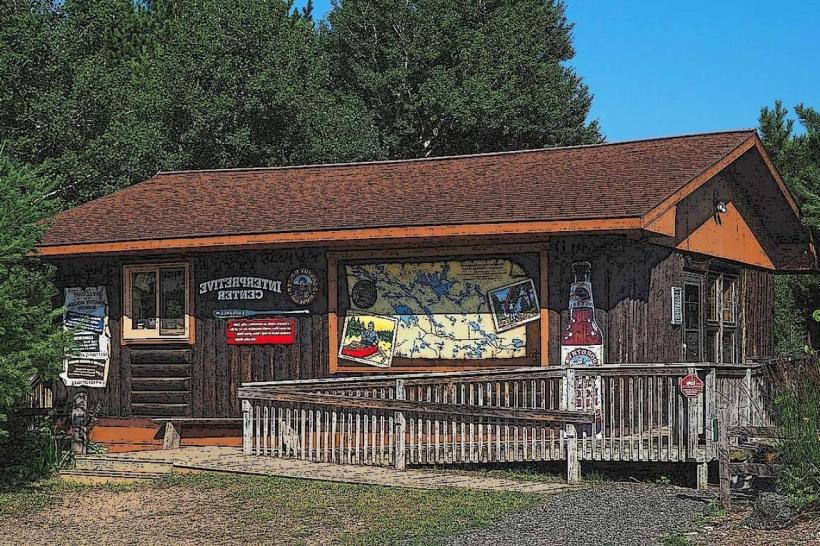
Bass Lake Trail is located within the Superior National Forest, about 6 miles north of Ely, Minnesota, accessed primarily via the scenic Echo Trail (County Road 116). The trailhead is clearly marked and provides parking and interpretive signage that orients hikers to the area’s natural and historical significance. This trail lies in a forested region shaped by glacial and tectonic forces, offering a classic North Woods hiking experience.
Trail Description and Routes
The trail system offers two primary loop options, each providing a unique exploration of the landscape around Bass Lake and nearby Dry Lake:
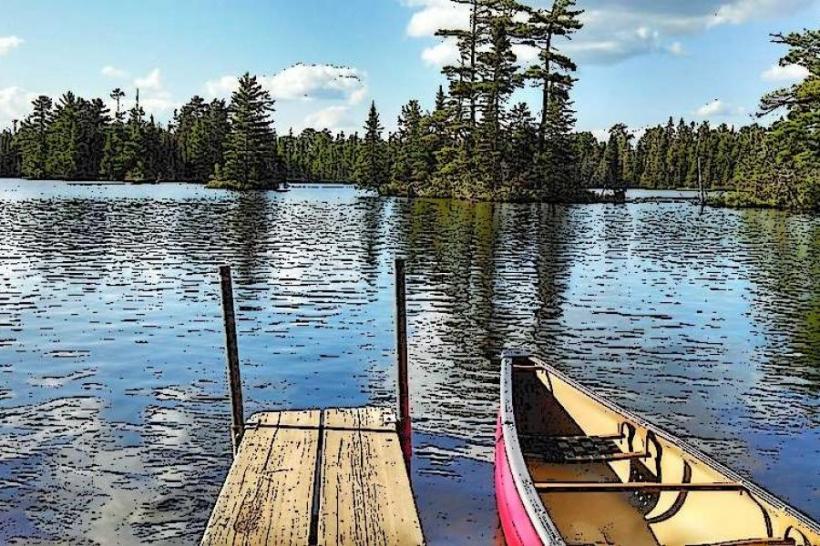
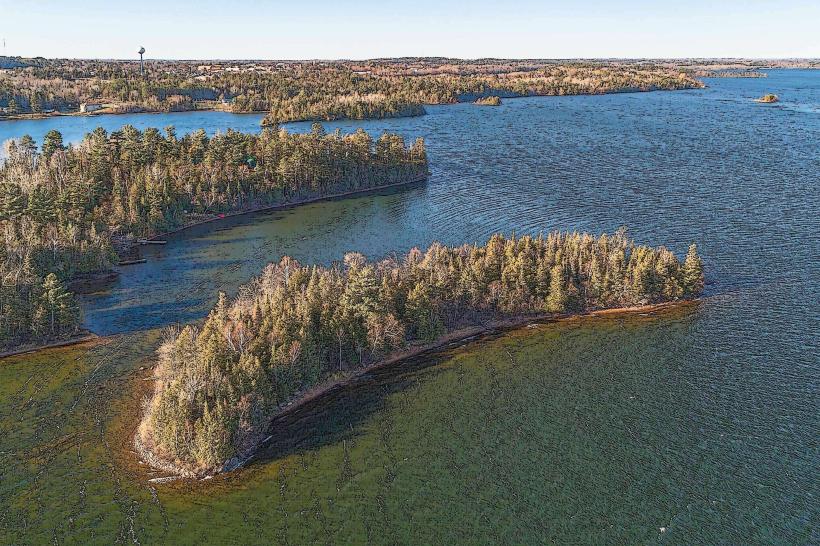
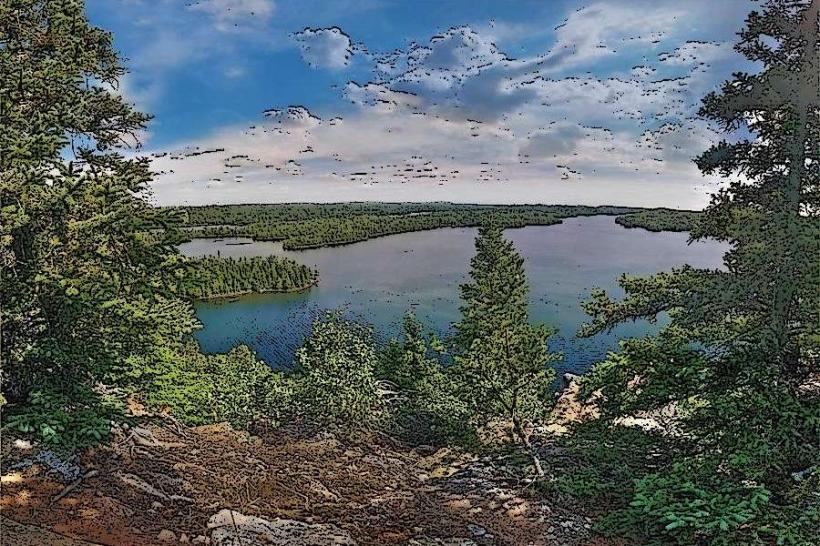
Bass Lake Loop (~5.6 miles): This loop circles Bass Lake, traveling through a mix of dense pine and hardwood forest, rocky ridges, and lakeshore viewpoints. The terrain is moderately challenging, with a combination of soft forest floor, exposed roots, rocky outcrops, and gentle elevation changes.
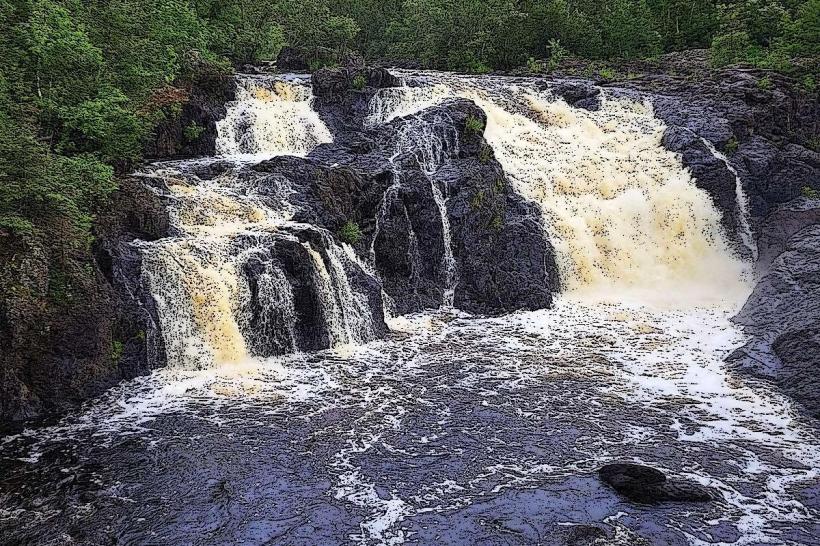
Bass & Dry Lake Loop (~6.5 miles): Extending the Bass Lake loop, this option includes a detour to Dry Lake and the scenic Dry Falls. This section adds some steeper climbs and rugged terrain, rewarding hikers with spectacular views and the chance to visit a small waterfall where Dry Lake empties into Bass Lake.
Both routes are marked but not heavily maintained; hikers should prepare for occasional uneven footing, natural obstacles, and some route-finding at junctions. The trails offer a diverse experience that highlights the varied topography and ecological richness of the region.
Geology and Natural Features
The trail traverses the ancient Vermilion Fault zone, a significant geological feature that created dramatic rock formations and influenced the drainage patterns of the lakes. The exposed bedrock includes granite and volcanic rock formations that are hundreds of millions of years old.
Bass Lake itself has an interesting history: in 1925, a natural basin breach caused the water level to drop by approximately 55 feet, drastically changing the lake’s shoreline and surrounding habitat. This event is part of the interpretive story shared at the trailhead and enriches the hiking experience with a sense of historical context.
Dry Falls is a small but picturesque waterfall located on Dry Lake’s outflow, accessible by a short spur trail. It is a favorite spot for hikers to rest and enjoy the soothing sound of cascading water framed by lush vegetation.
Flora and Fauna
The trail winds through a mature northern forest dominated by:
Conifers: Red pine, white pine, and balsam fir, offering evergreen canopy and rich scent.
Hardwoods: Paper birch, aspen, and sugar maple, which provide spectacular color changes in autumn.
Understory: Ferns, wildflowers, mosses, and blueberry bushes.
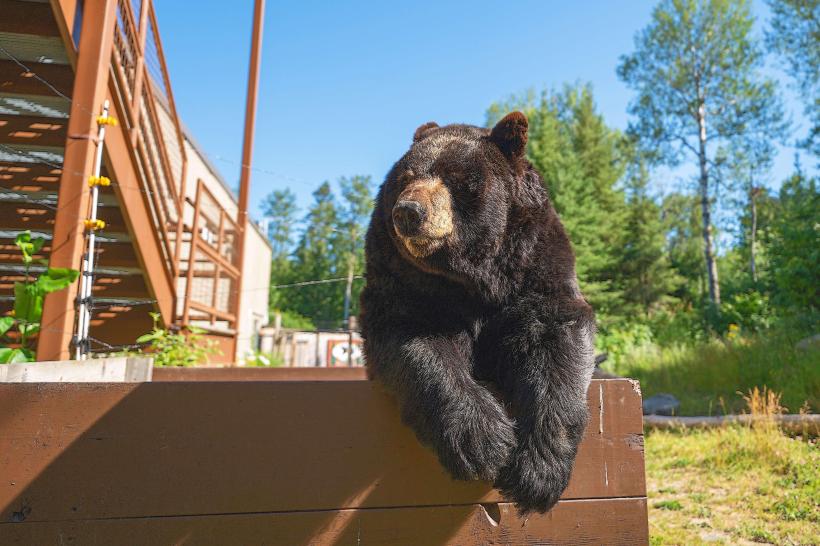
Wildlife sightings are common for attentive hikers. Deer frequently graze near the lake edges, red squirrels and chipmunks dart among the trees, and birdwatchers can spot a variety of species including warblers, woodpeckers, and occasionally bald eagles or ospreys near the water. The area’s remoteness means that larger mammals such as black bears and wolves inhabit the surrounding forest, though encounters are rare.
Trail Facilities and Camping
The Bass Lake Trailhead provides a well-maintained parking area and informational kiosks with maps, safety tips, and interpretive panels explaining the natural history of the area.
Backcountry camping is permitted, with three designated primitive campsites located near Bass Lake, Dry Lake, and Low Lake. These sites provide minimal facilities-typically a fire ring and a cleared tent spot-and operate on a first-come, first-served basis. Hikers are expected to follow Leave No Trace principles, pack out all waste, and respect quiet hours.
There are no developed restrooms along the trail; hikers should be prepared with sanitation supplies and follow proper protocols for waste disposal.
Safety and Preparation
Hikers should be aware of the moderate difficulty of the trail, which includes uneven terrain, rocky ridges, and some steep sections especially around Dry Falls. Proper hiking boots with good traction are essential, as are trekking poles for balance on rough ground.
Insect repellent is recommended during spring and summer months, as mosquitoes and black flies are common, especially near lakes and wetlands.
Water sources are plentiful but untreated; hikers should carry enough water or have means to filter or purify from natural sources.
Cell phone coverage is spotty to nonexistent along much of the trail, so carrying a printed map or offline GPS is advisable.
Weather can change rapidly in northern Minnesota, so layered clothing and rain gear are prudent.
Seasonal Considerations
Spring: Trails can be muddy with melting snow and seasonal runoff feeding Dry Falls. The forest begins to green up, and wildlife becomes more active.
Summer: The most popular time for hiking; mosquitoes and black flies can be intense, so proper protection is necessary. The forest canopy offers relief from the sun.
Fall: Fall foliage creates a vibrant tapestry of red, gold, and orange across the forest and lake views, making this a prime season for photographers and nature lovers.
Winter: The trail is generally not maintained for winter use. Snowshoeing or cross-country skiing is possible nearby but requires local knowledge and preparation.
Visitor Experience and Recommendations
Bass Lake Trail is favored by both day hikers and backpackers seeking solitude and natural beauty close to Ely. The moderate length and loop configuration make it accessible for a half or full day adventure.
Hikers report the trail as peaceful, with frequent opportunities to pause at scenic overlooks and listen to the sounds of the forest and water. The highlight for many is the balance between rugged terrain and accessible beauty-the chance to experience the Boundary Waters region without the need for paddling or multi-day trekking.
Summary
Bass Lake Trail offers an immersive wilderness hiking experience with a combination of forest, lake views, geological intrigue, and tranquil natural features. Its proximity to Ely and well-defined loops make it a top choice for visitors seeking a moderately challenging hike that rewards with diverse scenery and quiet solitude in Minnesota’s North Woods. Whether exploring the lakeshore, standing at the edge of Dry Falls, or camping beneath towering pines, hikers leave with a deep appreciation of this rugged and beautiful landscape.