Information
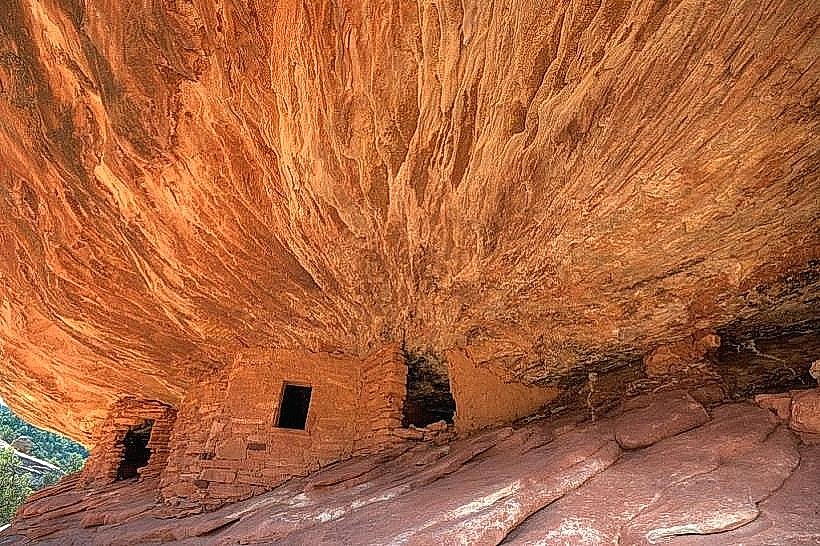
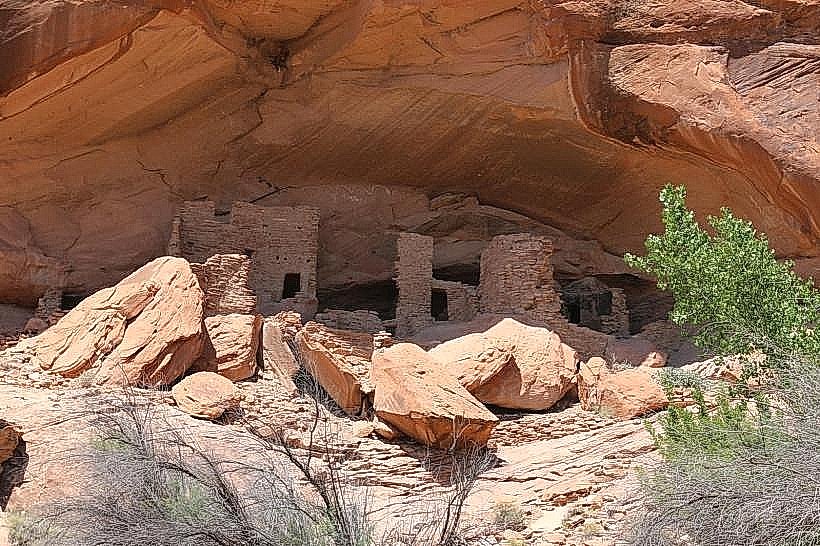
Landmark: Butler Wash RuinsCity: Bluff
Country: USA Utah
Continent: North America
Butler Wash Ruins, Bluff, USA Utah, North America
Nayatt Point Lighthouse is a historic navigational aid located in Barrington, Rhode Island, USA.
Visual Characteristics
The lighthouse is a cylindrical brick tower, painted white, with a red lantern room. It stands approximately 40 feet tall. The structure exhibits a functional, utilitarian design typical of early 20th-century coastal beacons.
Location & Access Logistics
Nayatt Point Lighthouse is situated at the end of Nayatt Road in Barrington. It is approximately 3 miles from the center of Barrington. Parking is available along Nayatt Road, though it can be limited during peak times. Public transport options directly to the lighthouse are not available; access requires private vehicle or taxi service. The final approach is via a short, unpaved path.
Historical & Ecological Origin
The current lighthouse was constructed in 1905 by the United States Lighthouse Board. It replaced an earlier structure built in 1828. Its original purpose was to guide vessels through the Providence River and into Narragansett Bay.
Key Highlights & Activities
Visitors can observe the lighthouse structure from the exterior. The grounds offer views of Narragansett Bay. No interior tours are offered. Walking the shoreline adjacent to the lighthouse is possible.
Infrastructure & Amenities
Restrooms are not available at the lighthouse site. There is limited natural shade. Cell phone signal (4G/5G) is generally available. No food vendors are located at the lighthouse; nearest services are in downtown Barrington.
Best Time to Visit
For photography, the late afternoon offers favorable lighting conditions as the sun sets over the western side of the bay. The months of May through October provide the most pleasant weather for an outdoor visit. Tide levels do not significantly impact access to the lighthouse grounds.
Facts & Legends
A notable historical detail is that the original 1828 lighthouse was automated in 1948 and decommissioned in 1952, with the current structure being built to replace it. Local lore sometimes mentions sightings of a former keeper's dog, though this is unsubstantiated.
Nearby Landmarks
- Ocean State Model Railroaders (1.2km Southwest)
- Barrington Public Library (2.5km West)
- Touisset Marsh Wildlife Refuge (3.8km Southeast)
- Bristol Town Common (4.5km East)