Information
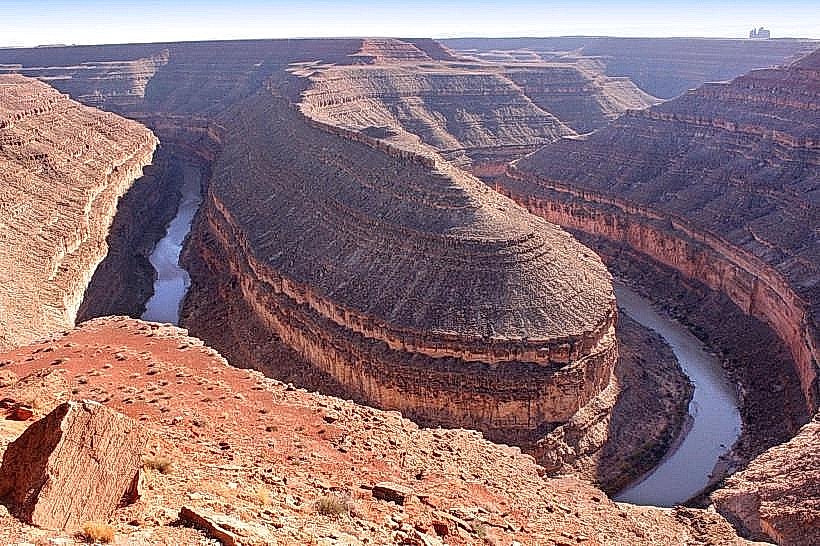
Landmark: Valley of the GodsCity: Bluff
Country: USA Utah
Continent: North America
Valley of the Gods, Bluff, USA Utah, North America
Charlestown Breachway State Beach is a barrier beach located in Charlestown, Rhode Island, USA.
Visual Characteristics
The beach consists of fine, light-colored sand. The ocean side features wave action typical of the Atlantic coast, while the bay side offers calmer, shallow waters. Dune vegetation, primarily sea grass and beach rose, stabilizes the sandy terrain.
Location & Access Logistics
The beach is situated off Ocean House Road (Route 1A) in Charlestown, approximately 3 miles east of the Charlestown village center. Access is via a paved road leading to a designated parking area. Parking is managed by the Rhode Island Department of Environmental Management and requires a fee during peak season. Public transportation options are limited; the nearest bus route is the RIPTA Route 64, which stops several miles inland, requiring a significant walk or taxi to reach the beach.
Historical & Ecological Origin
Charlestown Breachway State Beach is a natural barrier island formed by the deposition of sand and sediment over millennia. It serves as a critical ecological interface between the Atlantic Ocean and the salt ponds of Charlestown. The breachway itself is a channel that naturally forms and reforms, connecting the salt pond to the ocean, influencing water salinity and marine life.
Key Highlights & Activities
Activities include surf fishing, beachcombing, and swimming. Kayaking and paddleboarding are possible on the calmer salt pond side. Birdwatching is a common activity due to the diverse avian species that inhabit the coastal environment. Camping is permitted in designated areas on the breachway during specific seasons.
Infrastructure & Amenities
Restrooms are available. Limited shade is provided by natural dune formations. Cell phone signal (4G/5G) is generally available. No food vendors are present directly on the beach; visitors should bring their own provisions.
Best Time to Visit
For photography, early morning and late afternoon offer optimal lighting conditions. The best months for general visitation are June through September, with July and August being the warmest. Tidal conditions can affect fishing and access to certain areas of the salt pond.
Facts & Legends
The breachway's location and size can shift due to storm activity and natural erosion processes, requiring ongoing management by state authorities. Local folklore sometimes speaks of shipwrecks along this stretch of coast, though specific documented incidents are scarce.
Nearby Landmarks
- Charlestown Pond (0.2km West)
- East Beach State Beach (1.5km East)
- Ninigret National Wildlife Refuge (3.0km Northwest)
- Fort Neck (4.0km West)
- Block Island Ferry Terminal (Galilee) (6.0km Southeast)