Information
Landmark: CafayateCity: Salta
Country: Argentina
Continent: South America
Cafayate, Salta, Argentina, South America
Overview
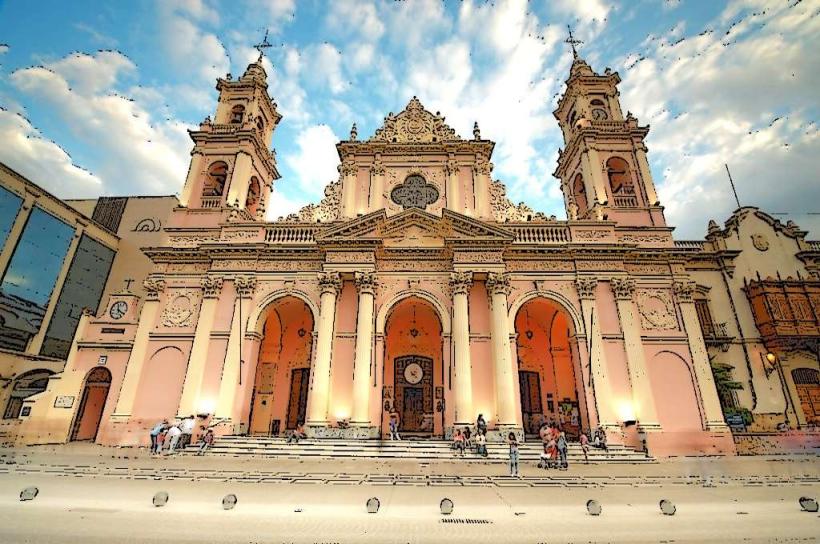
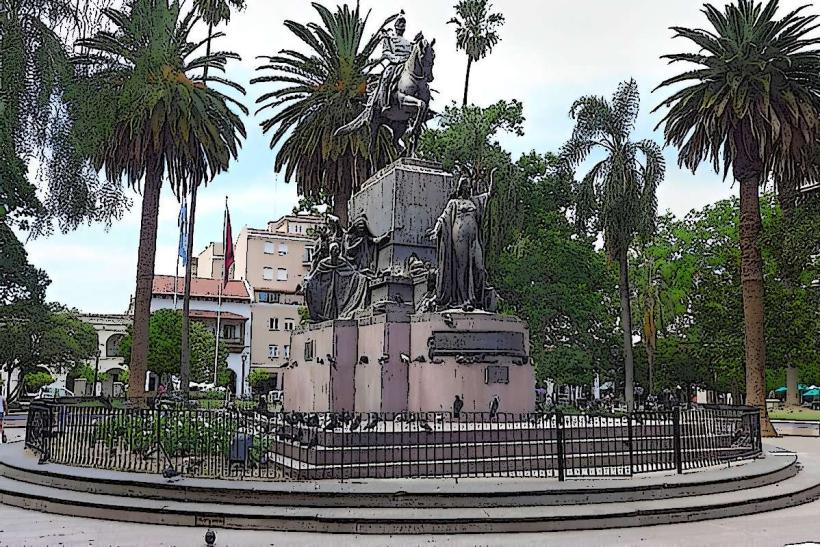
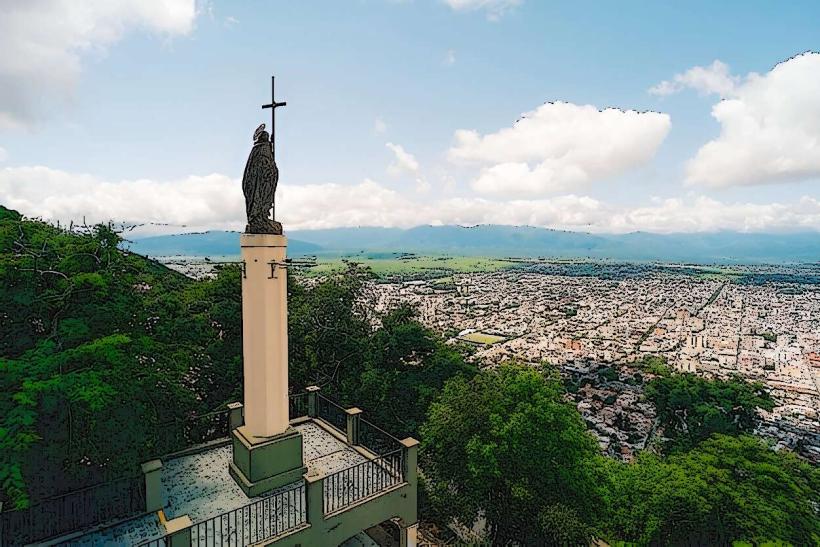
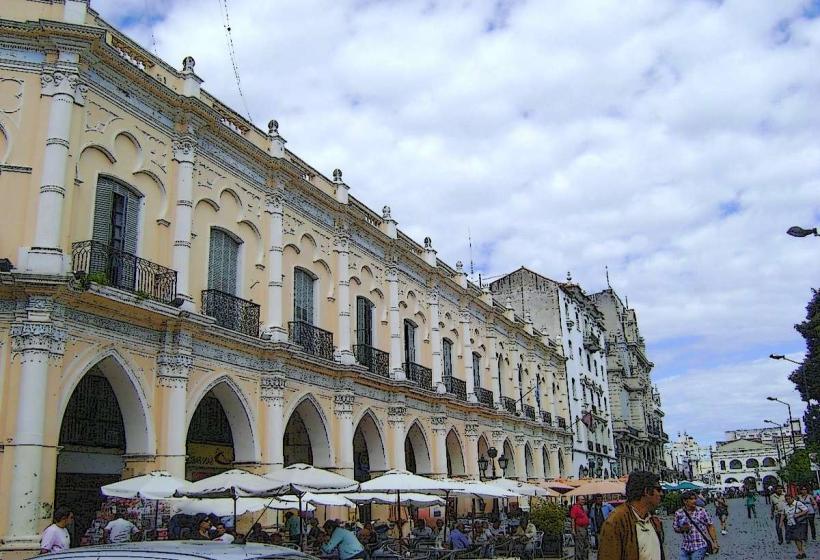
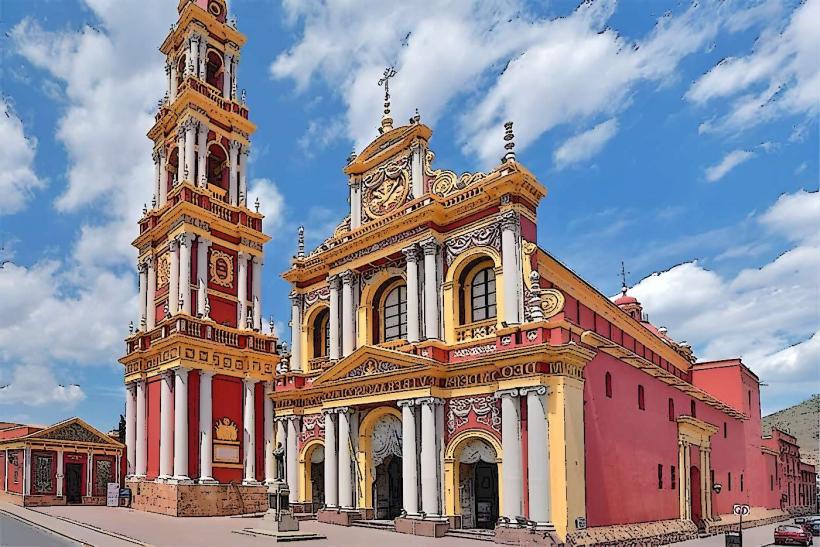
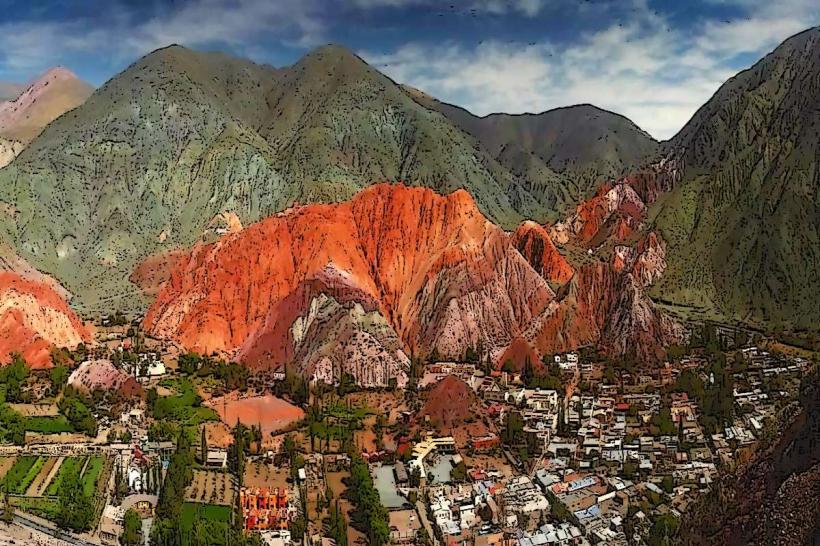
Cafayate, tucked into Argentina’s northwestern Salta province, is a charming little town where sunlit plazas glow against the backdrop of rugged mountains, then in the heart of the Calchaquí Valleys, Cafayate is known for its rich winemaking traditions, breathtaking scenery, and an easygoing charm that lingers like the scent of ripe grapes in the sun.Tucked between towering mountain ranges, this little town blends stunning scenery, deep-rooted traditions, and the taste of rich local wines, drawing visitors from across the country and far beyond, besides founded in 1840, Cafayate has grown into a thriving agricultural hub, known especially for its vineyards and the rich aroma of its high-quality wines.The town sits in the Calchaquí Valley, where people have been making wine since before the Spanish arrived-back when clay jars cooled in the shade of adobe walls, also for generations, this region has grown grapes, especially Torrontés, whose radiant, floral aroma defines its unique white wines, slightly often Actually, The region’s past is deeply tied to Indigenous cultures, especially the Diaguita, who once called the valley home and farmed its sunbaked slopes, moreover you can still spot their influence in the way locals celebrate festivals or pass down aged stories.Top Highlights 1, and cafayate is best known for its vineyards and wine tours, where you can stroll between sun-warmed rows of vines.The Calchaquí Valley, spread out beneath brilliant blue skies, ranks among Argentina’s finest wine regions, with high-altitude vineyards yielding Torrontés, Malbec, and Cabernet Sauvignon, while you can wander through the local wineries-called bodegas-and taste the region’s distinct wines, from crisp whites to deep, velvety reds.Among the most popular wineries are Bodega El Esteco, Bodega Vasija Secreta, and Bodega Piattelli, consequently many welcome visitors with guided tours that wander through sunlit rows of vines, reveal the craft behind each bottle, and finish with a taste of their wines made on site, occasionally Number two sat there, plain as ink on paper, as well as the Quebrada de las Conchas, or Shells Gorge, is a breathtaking stretch of red rock cliffs just beyond Cafayate, along the winding road toward Salta.As it happens, This gorge boasts towering cliffs and unusual rock shapes, set against a landscape you won’t discover anywhere else, equally important over millions of years, wind and water have carved the gorge into striking shapes and cliffs streaked with red, gold, and pale gray.Visitors can wander among striking spots like the Devil’s Throat, the echoing Amphitheater, and the sunlit Obelisk, each begging for a photo, on top of that this whole region is a UNESCO Geological Reserve, and it’s a region geology lovers and nature seekers shouldn’t miss-towering cliffs and wind-carved rock tell its ancient story.Number three, in addition the Plaza Principal, or main square, sits at the heart of Cafayate, where shady trees frame the benches and locals linger in the afternoon sun.This charming square, edged with restaurants, cafés, and little shops spilling warm light onto the cobblestones, makes a perfect spot for a measured, easy stroll, while here you'll find the Catholic Church, Iglesia de Cafayate, with its graceful colonial-era façade glowing warm in the afternoon sun.The town center is slight, yet bursts with shining buildings-turquoise walls, faded red doors-that echo its colonial past and Indigenous roots, to boot many of the town’s buildings are built from sun-baked local adobe, giving the streets a warm, earthy charm that feels instantly inviting.Believe it or not, Number four, as a result just outside Cafayate, the Museo de la Vid y el Vino invites visitors to explore the town’s deep winemaking roots, from dusty vintage barrels to the stories that shaped the region’s wine tradition.Set inside a converted heritage winery, the museum displays weathered pruning shears, vivid exhibits, and rich stories about how vines are grown, the role wine plays in local culture, and the farming traditions of the region, not only that five.From El Divisadero, you can take in one of the finest views of Cafayate and the valleys beyond, where red cliffs catch the afternoon light, consequently you can hike the trail or drive the winding road to reach this spot, where sweeping views stretch over the Calchaquí Valley, rugged mountains, and neat rows of vineyards far below, mildly From the viewpoint, you can snap your best shots-especially when the sun dips low and paints the sky orange, then number six, somewhat Tucked inside the Quebrada de las Conchas, the Devil’s Throat (Garganta del Diablo) yawns open in a wide, shadowy cleft, like the gaping mouth of a giant, in turn photographers and nature lovers shouldn’t miss this locale, where sunlight slips through the trees and shadows dance across the ground.In Cafayate and the hills around it, you’ll find a lively mix of plants and animals, from radiant desert blooms to darting lizards, in conjunction with high in the mountains, the vineyards sit among desert plants-spiny cacti, dry scrub-and patches of Mediterranean greenery, including silvery olive trees.The region teems with birdlife, from soaring condors and sharp-eyed eagles to songbirds whose calls drift through the trees, as a result in the rural stretches of the valley, you’ll often spot llamas, alpacas, and the occasional goat grazing by a weathered fence.Cafayate is at its best in spring, from September to November, or in fall, between March and May, when warm days and crisp evenings make the plazas come alive, what’s more these seasons bring mild weather and comfortably warm days-perfect for a hike through shady trails or a gradual stroll between vineyard rows.Summer, from December to February, brings real heat to the lowlands around Cafayate, where afternoons often climb past 30°C (86°F), but a soft evening breeze usually takes the edge off, and winter, from June to August, can bring a sharp chill after sunset, but it’s still great for travelers who love crisp blue skies and smaller crowds, somewhat Interestingly, Driving to Cafayate is simple-it’s about 180 kilometers, or 112 miles, south of Salta, and the trip usually takes three to four hours along winding roads that cut through dusty red hills, likewise the route winds through the breathtaking Quebrada de las Conchas, where red cliffs rise sharply and the mountains and gorges spread out in sweeping, scenic views, kind of You can hop on a regular bus from Salta or other nearby towns to reach Cafayate, an easy ride that makes the trip possible even if you don’t have a car, subsequently by plane: Cafayate Airport (Aeropuerto de Cafayate) is a tiny regional hub, the kind where you might notice just a couple of flights a day.Most travelers make their way to Cafayate from Salta, often by bus or car, watching the red cliffs roll past the windows, moreover in conclusion, Cafayate is a delightful spot where rolling vineyards meet sunlit mountains, blending stunning landscapes, rich traditions, and wines that rival the best in the world, slightly often Whether you’re here to savor a bold Malbec, wander through sunlit valleys, or just breathe in the quiet, Cafayate has you covered, not only that with its cobblestone streets, sweeping mountain views, and easygoing pace, the town leaves a lasting mark on anyone visiting Argentina’s northwest.
Author: Tourist Landmarks
Date: 2025-09-17