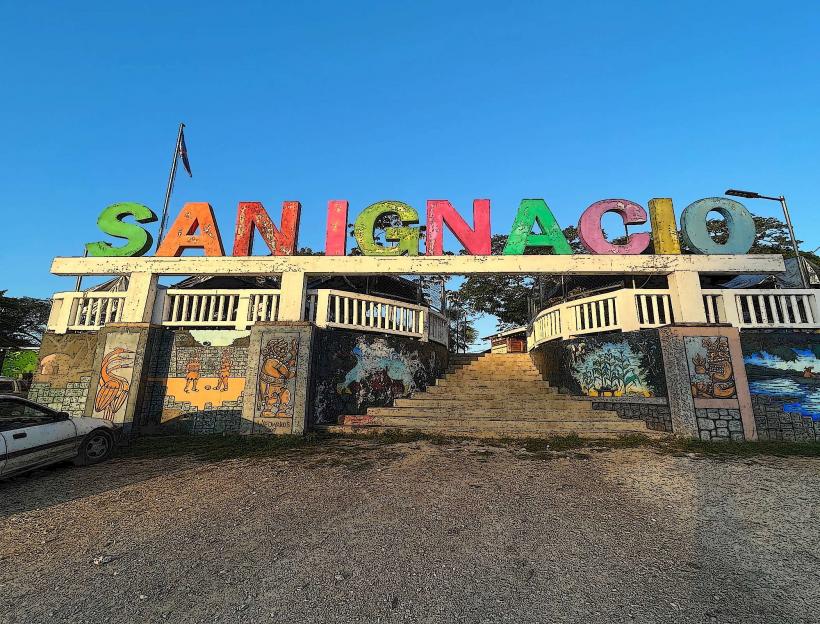
Information
Landmark: Cahal Pech Mayan RuinsCity: San Ignacio
Country: Belize
Continent: North America
Cahal Pech Mayan Ruins, San Ignacio, Belize, North America
Cahal Pech is a significant Maya archaeological site located near the town of San Ignacio in the Cayo District of Belize. The name Cahal Pech translates to "Place of Ticks" in the Mopan Maya language, which refers to the area’s dense forested surroundings. The site is one of the earliest occupied and most important ancient cities in the Maya region, offering fascinating insights into the culture and history of the Maya civilization.
Overview of Cahal Pech Maya Ruins
History and Significance
Cahal Pech is believed to have been settled around 1200 BCE during the Pre-Classic Period of the Maya civilization. However, it reached its peak during the Classic Period (approximately 250-900 AD), when it became a major political and ceremonial center in the region. The site is believed to have been inhabited by a Maya elite family or a ruling class.
The city’s decline coincided with the collapse of many other Maya cities during the 9th century, but evidence of its continuous occupation through to the Post-Classic Period (900-1500 AD) suggests that it remained significant long after the peak of its power.
Cahal Pech was an important center of Maya politics, religion, and trade, with its location in the fertile Macal River valley facilitating access to resources such as flint, obsidian, and jade, as well as trade routes connecting it with other Maya cities like Tikal in Guatemala and Xunantunich in Belize.
Main Features and Structures
1. The Main Plaza and Temples
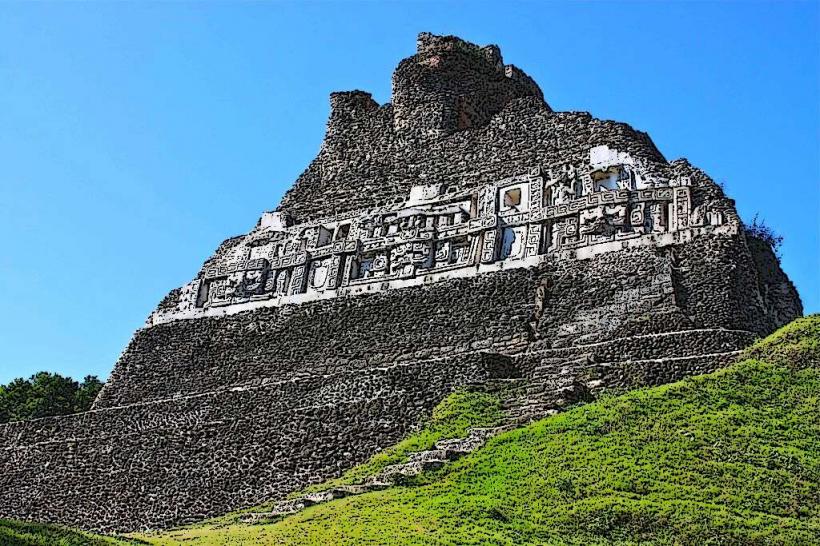
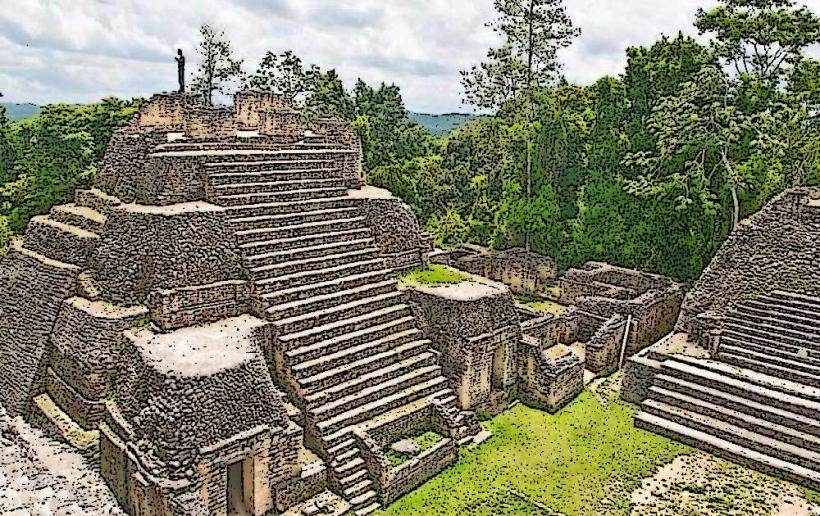
The site is organized around a main plaza, which contains a group of structures arranged symmetrically. This includes the remains of several temples, palaces, and platforms. These structures are typically built in the Maya style of stone masonry, and many of the buildings are still in relatively good condition, offering a glimpse into the architectural brilliance of the Maya civilization.
The main temple is a pyramid-like structure, which may have been the site of ceremonial rituals, possibly including sacrifices and other sacred activities. The structures often feature the characteristic Maya corbel arches and are surrounded by terraces and open areas used for public gatherings.
2. The Plaza of the Stelae
The site features several stelae (stone monuments) that are carved with hieroglyphic texts and depictions of Maya rulers. These stelae are important for understanding the political and social dynamics of Cahal Pech, as they commemorate significant events and rulers associated with the site.
Some of the stelae still display traces of colorful paint and provide insight into the symbolism and religious practices of the Maya.
3. The Ballcourt
- Like many other Maya cities, Cahal Pech has a ballcourt, which was used for the Mesoamerican ballgame. This was a highly ritualistic game that had both athletic and ceremonial significance. The court at Cahal Pech is still visible, though much of the original structure has eroded over time. The ballgame was often linked to Maya mythology and cosmology, and the victor in these games might have been rewarded with prestige or sacred status.
4. Residential Complexes
Several residential complexes are found throughout the site, showing the layout of the elite Maya homes. These structures typically include platforms, courtyards, and sacred areas where ritual practices might have been conducted. Archaeologists have uncovered a variety of artifacts, including pottery, jade items, and tools, which help illustrate daily life in Cahal Pech.
The artifacts found in Cahal Pech also demonstrate the site’s importance as a trade center, with items such as obsidian blades, marine shells, and ceramics from other regions of Mesoamerica.
5. The Acropolis
- The Acropolis of Cahal Pech is the highest point of the site, offering spectacular views of the surrounding area. This was likely the residential area of the ruling elite, and it is here that some of the most impressive structures can be found. The Acropolis includes platforms, temples, and palatial structures that show the architectural sophistication of the Maya rulers.
Archaeological Excavations and Discoveries
Archaeological excavations at Cahal Pech began in the 1950s, led by researchers like Norman Hammond, and continued with significant findings through the decades. The excavation of tombs, stelae, and ceramic vessels has revealed much about the site’s past inhabitants, their artistic traditions, and their role in the broader Maya world.
One of the most important discoveries at the site was the discovery of a tomb belonging to an elite Maya individual, which contained jade jewelry, pottery, and other ritual items. This tomb provided valuable insights into the burial practices and status of Maya elites.
Researchers continue to study the site and have found evidence that Cahal Pech had connections with other Maya centers in Guatemala, including the large city of Tikal, through trade and alliances.
Visitor Experience at Cahal Pech
1. Accessibility
Cahal Pech is located just outside of San Ignacio, making it one of the most accessible Maya archaeological sites in Belize. It is easily reached by car or bus, and its proximity to the town means that it is a popular destination for travelers staying in the area.
The site is well-maintained, and there are marked pathways and signage throughout, providing visitors with a clear route to follow and offering information about each structure and its historical significance.
2. The Cahal Pech Museum
Visitors to Cahal Pech can also explore the Cahal Pech Museum, which is located at the entrance to the site. The museum displays a range of artifacts found during excavations, including ceramics, jade, and stone tools. The museum offers insightful information about the site's history, its excavation, and the Maya culture in general.
The museum helps contextualize the site and allows visitors to gain a deeper understanding of the Maya's daily life, rituals, and social structure.
3. Guided Tours
- Many visitors opt for a guided tour of Cahal Pech, which provides a more in-depth exploration of the site. Knowledgeable guides can explain the site's history, its significance in Maya culture, and the meaning behind the various structures and stelae. The tour often includes fascinating insights into Maya beliefs and how the city might have functioned during its peak.
4. Scenic Views
- One of the highlights of visiting Cahal Pech is the stunning panoramic views from the site. As the ruins are located on a hill, visitors can enjoy expansive views of the surrounding rainforest, the Macal River, and the San Ignacio valley. On clear days, you can even see the Mopan River and Xunantunich in the distance.
Conclusion
Cahal Pech is a fascinating and well-preserved Maya archaeological site that offers visitors a glimpse into the ancient world of the Maya civilization. The site’s temples, palaces, ballcourt, and residential complexes tell the story of a once-flourishing Maya city that played an important role in the politics, religion, and trade of the region. Whether you are a history enthusiast, a nature lover, or simply looking for a scenic spot to visit, Cahal Pech is a must-see destination for anyone traveling to San Ignacio and the Cayo District of Belize.