Information
Landmark: Canyon of IsaloCity: Isalo
Country: Madagascar
Continent: Africa
Canyon of Isalo, Isalo, Madagascar, Africa
The Canyon of Isalo is a significant geological formation within Isalo National Park, characterized by deep gorges and eroded sandstone massifs, situated in the Ihorombe Region of Madagascar.
Visual Characteristics
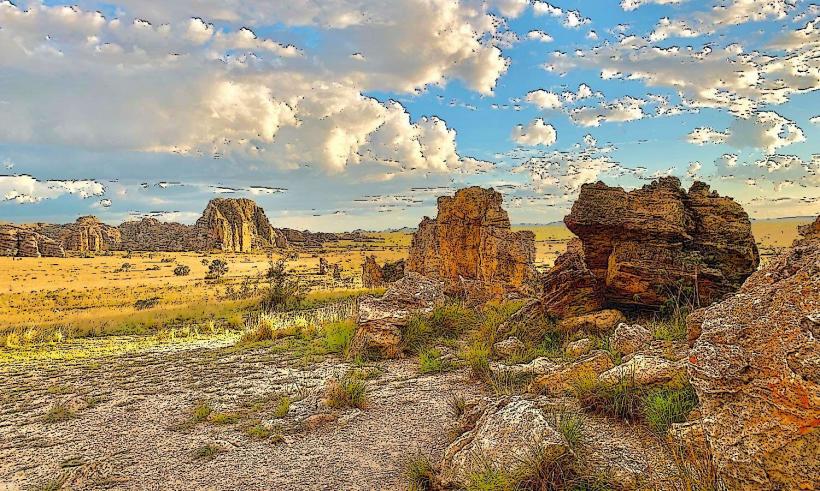
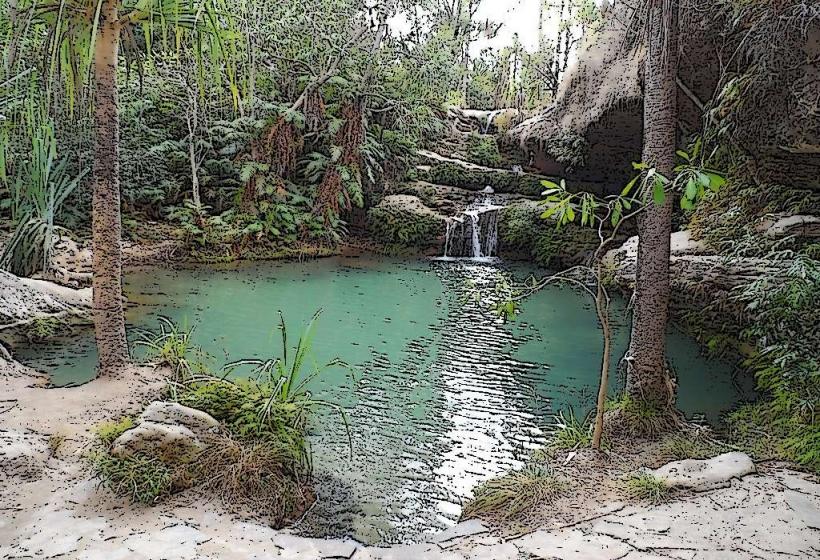
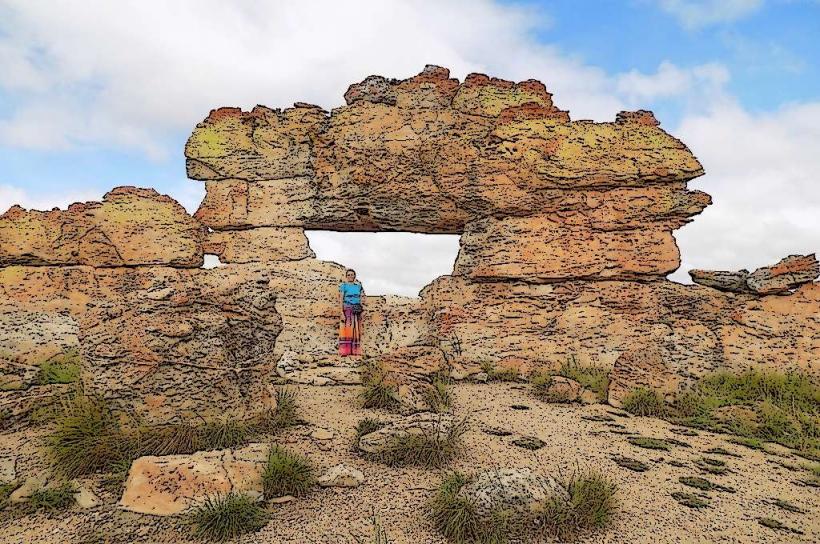
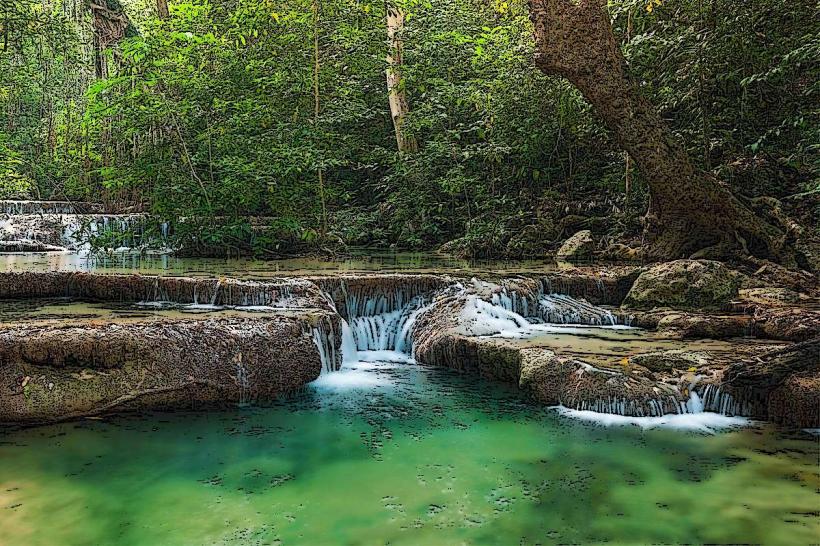
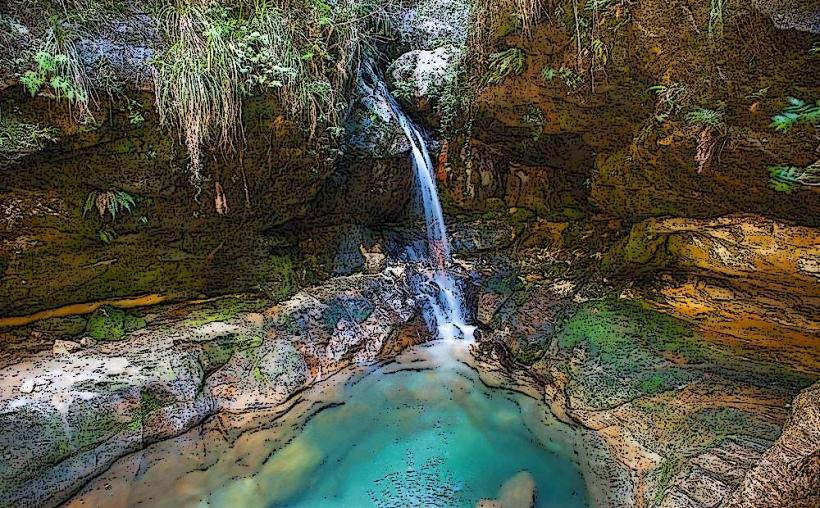
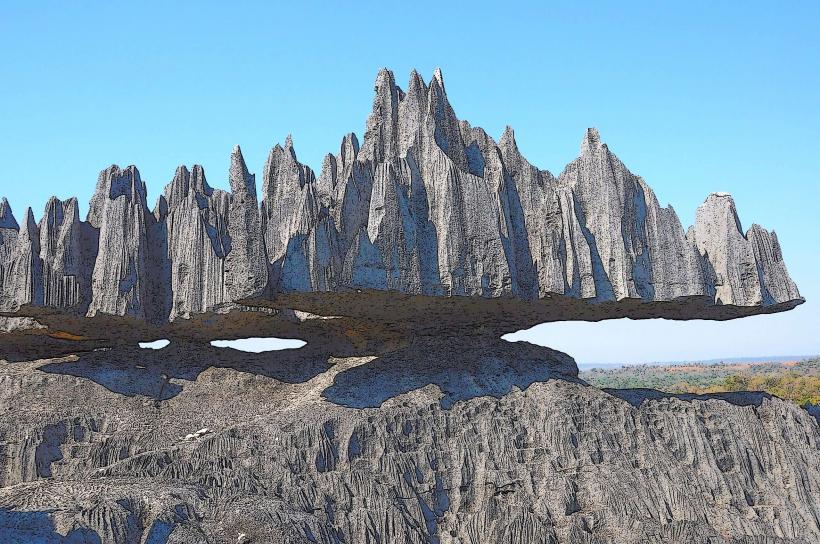
The canyon walls are composed primarily of Jurassic sandstone, displaying a spectrum of colors from ochre and rust red to grey and white, depending on mineral content and light. Erosion by wind and water has sculpted the rock into diverse formations, including pinnacles, natural arches, and deep crevices. Permanent and seasonal streams flow through the canyon floor, feeding natural pools and small waterfalls. Vegetation consists of dry deciduous forest, palm trees, and endemic succulent plants clinging to rock faces.
Location & Access Logistics
The Canyon of Isalo is located within Isalo National Park, approximately 12 km west of the village of Ranohira. Access is primarily via the park's designated trails, which originate from various entry points along National Route 7 (RN7). The main access point for the canyon trails is typically a short drive from Ranohira, followed by walking. Parking is available at park entrances and trailheads. Public transport options are limited to taxi-brousse services along RN7 to Ranohira; onward travel to the park entrance requires a local taxi or pre-arranged transport.
Historical & Ecological Origin
The canyon's geological origin dates back to the Jurassic period, when the sandstone bedrock was formed. Subsequent uplift and millions of years of erosion by water and wind have carved the deep gorges and distinctive rock formations. Ecologically, the canyon is part of the unique Isalo ecosystem, characterized by dry deciduous forest, savanna, and riparian vegetation, supporting endemic flora and fauna adapted to arid conditions.
Key Highlights & Activities
Hiking is the primary activity, with trails leading to specific points of interest. The "Piscine Naturelle" (Natural Pool) offers swimming opportunities in a clear, spring-fed pool. The "Cascade des Nymphes" (Nymphs' Waterfall) is another accessible water feature. Wildlife viewing includes various lemur species such as Ring-tailed Lemurs (Lemur catta), Red-fronted Brown Lemurs (Eulemur rufifrons), and Verreaux's Sifakas (Propithecus verreauxi), along with numerous bird species and reptiles.
Infrastructure & Amenities
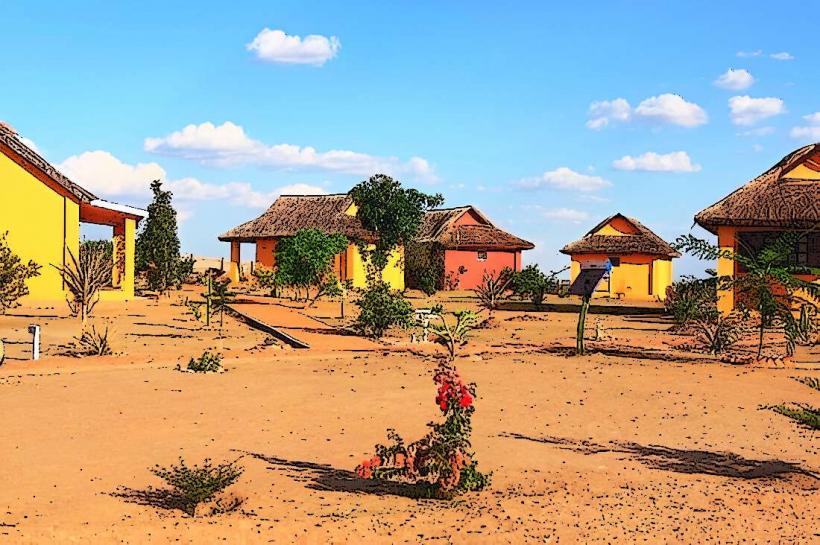
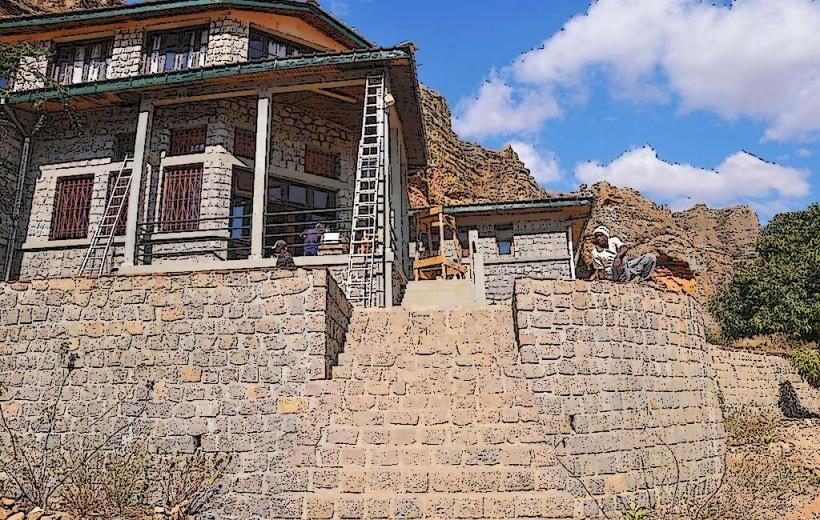
Basic restrooms are available at the main park entrances and some designated picnic areas. Shade is provided by trees along certain sections of the trails and at specific rest points. Cell phone signal (4G) can be intermittent and unreliable within the deeper sections of the canyon. Food vendors are not present within the canyon itself, but small shops and restaurants are available in Ranohira.
Best Time to Visit
The dry season, from May to October, is the best time to visit for hiking, as trails are less muddy and river crossings are easier. For photography, early morning or late afternoon light enhances the colors of the sandstone formations. Swimming in the natural pools is most refreshing during the hotter months of the dry season.
Facts & Legends
The Bara people, the dominant ethnic group in the region, consider parts of the canyon sacred. Traditional Bara burial sites are often located in inaccessible caves and crevices within the sandstone cliffs. It is a local custom to respect these areas and avoid disturbing them. The canyon also harbors several endemic plant species, including the Isalo Aloe (Aloe isalensis).
Nearby Landmarks
- Isalo National Park Entrance: 0.5km East
- Ranohira Village: 12km East
- Piscine Naturelle: 2km North (within the canyon system)
- Window of Isalo (La Fenêtre de l'Isalo): 15km West
- Canyon des Makis (Lemur Canyon): 3km North (within the canyon system)