Information
Landmark: Cathedral of IsaloCity: Isalo
Country: Madagascar
Continent: Africa
Cathedral of Isalo, Isalo, Madagascar, Africa
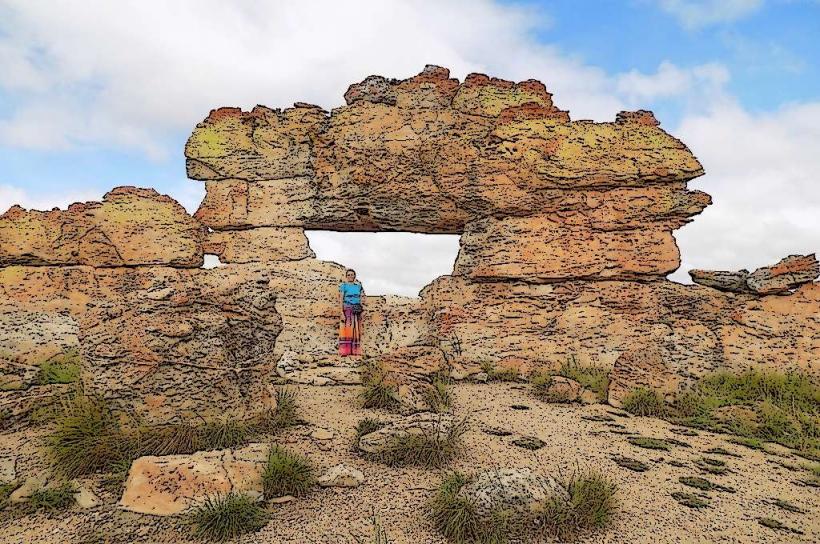
The Cathedral of Isalo is a natural sandstone rock formation situated within Isalo National Park in Isalo, Madagascar. This geological feature is characterized by a large, eroded archway resembling a cathedral's entrance.
Visual Characteristics
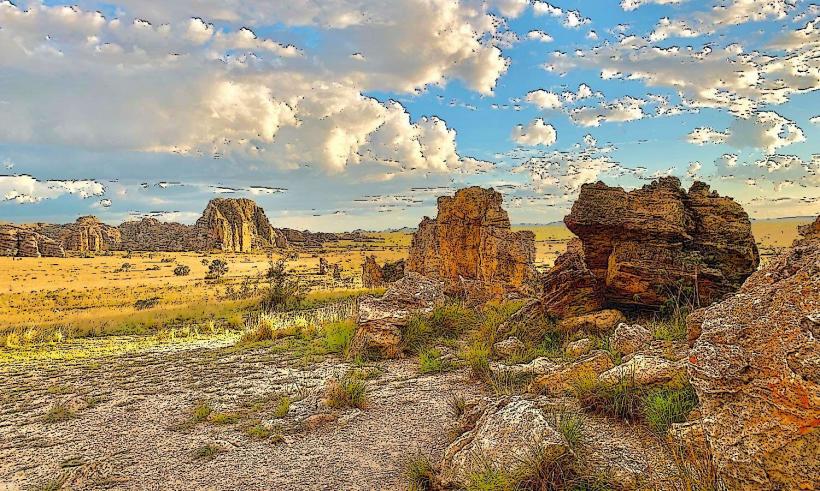
The formation consists of massive sandstone blocks, primarily displaying hues of red, orange, and ochre, indicative of iron oxide content. It stands approximately 30 meters in height, with a prominent archway carved by wind and water erosion. The rock surfaces are textured, showing layers of sedimentary rock. Sparse, drought-resistant vegetation, including succulents and small shrubs, clings to crevices around its base.
Location & Access Logistics
The Cathedral of Isalo is located within Isalo National Park, approximately 12 kilometers west of the park's main entrance near the town of Ranohira. Access is exclusively by foot via designated hiking trails within the park. There is no direct road access to the formation. Visitors typically begin their trek from the park's various trailheads, with the walk often taking several hours. Parking for private vehicles is available at the park entrance or designated trail starting points, but not at the formation itself. Public transport options to Ranohira include taxi-brousse (shared bush taxis) from major cities like Toliara or Fianarantsoa.
Historical & Ecological Origin
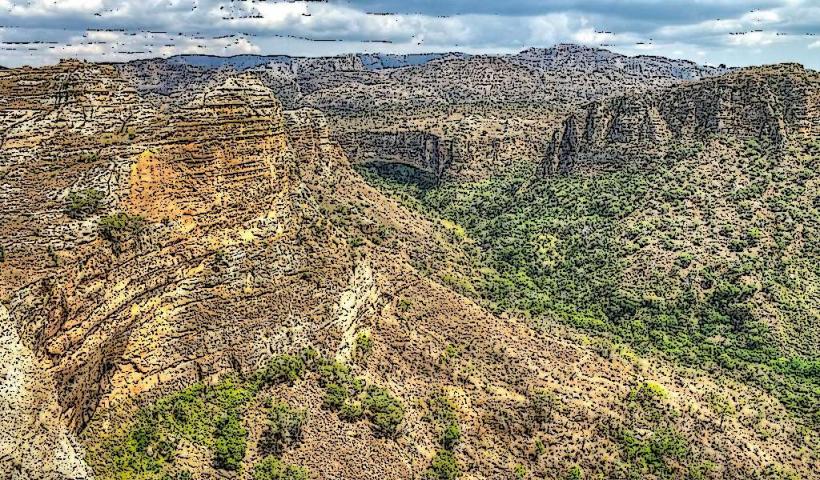
The Cathedral of Isalo is a geological formation resulting from millions of years of erosion on Jurassic sandstone. The Isalo Massif, where it is located, is characterized by continental sandstone formations dating back to the Jurassic period. The distinctive archway and sculpted forms are products of differential weathering by wind, rain, and temperature fluctuations acting on the softer and harder layers of the sandstone.
Key Highlights & Activities
Photography is a primary activity, particularly during sunset when the light illuminates the sandstone. Hiking to and around the formation is a core activity, often combined with other trails within Isalo National Park. Guided tours are available through park-certified guides, providing context on the geology and local ecology. Visitors can rest and observe the surrounding landscape from designated viewpoints near the formation.
Infrastructure & Amenities
There are no permanent restrooms or food vendors directly at the Cathedral of Isalo. Basic dry toilets may be available at nearby designated camping areas or trail junctions within the park, but not at the formation itself. Shade is limited to the interior of the archway or sparse vegetation. Cell phone signal (4G/5G) is generally unreliable or absent in this remote section of the park. Visitors are advised to carry their own water and provisions.
Best Time to Visit
The best time to visit for photography is during the late afternoon, specifically an hour before sunset, when the low sun angle enhances the red and orange hues of the sandstone. The dry season, from April to October, offers the most favorable weather conditions for hiking, with less rain and cooler temperatures. Visiting during the wet season (November to March) can make trails muddy and challenging.
Facts & Legends
Local Bara people, indigenous to the Isalo region, consider certain rock formations, including the Cathedral of Isalo, to hold spiritual significance. It is sometimes referred to as "The Window" due to its open archway offering views of the horizon. The formation's unique acoustics within the arch are a notable feature, amplifying sounds from within.
Nearby Landmarks
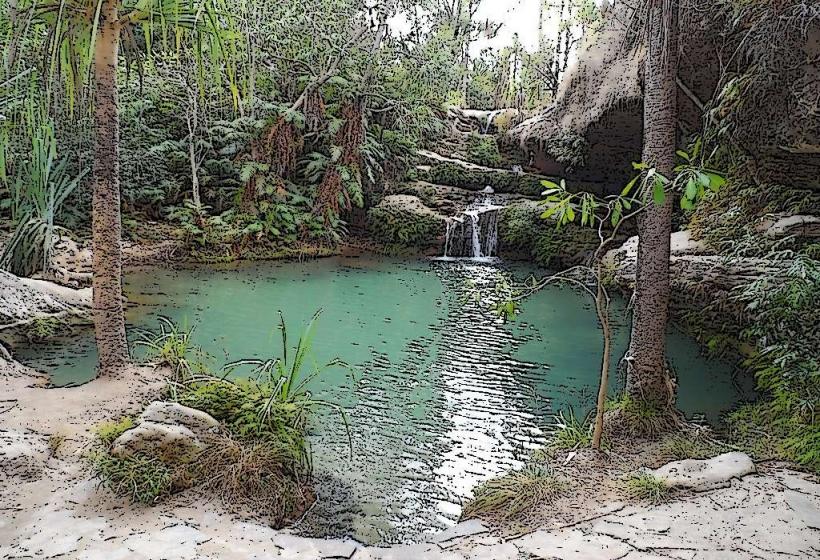
- Piscine Naturelle: 3.5km East
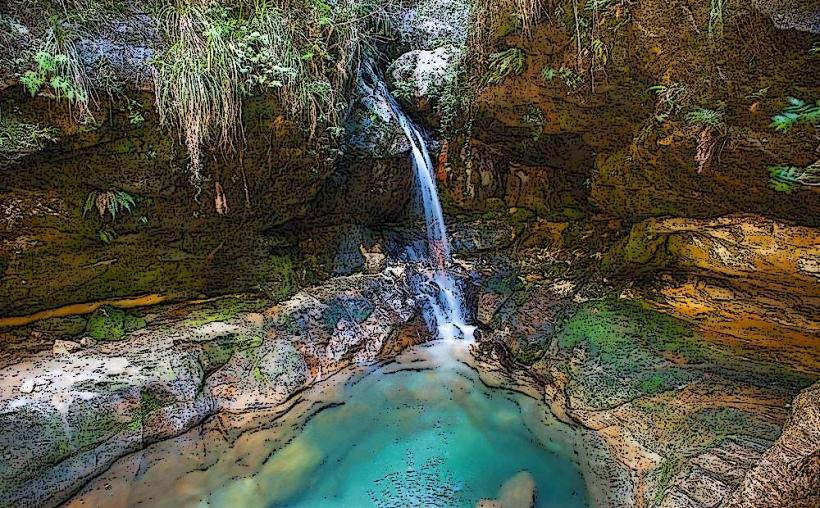
- Cascade des Nymphes: 4.0km East-Northeast
- Canyon des Makis: 2.5km North
- Canyon des Rats: 3.0km North-Northwest