Information
Landmark: Isalo MuseumCity: Isalo
Country: Madagascar
Continent: Africa
Isalo Museum, Isalo, Madagascar, Africa
The Isalo Museum is an interpretive center dedicated to the natural and cultural heritage of the Isalo region in Madagascar. It is situated near the entrance of Isalo National Park, close to the village of Ranohira.
Visual Characteristics
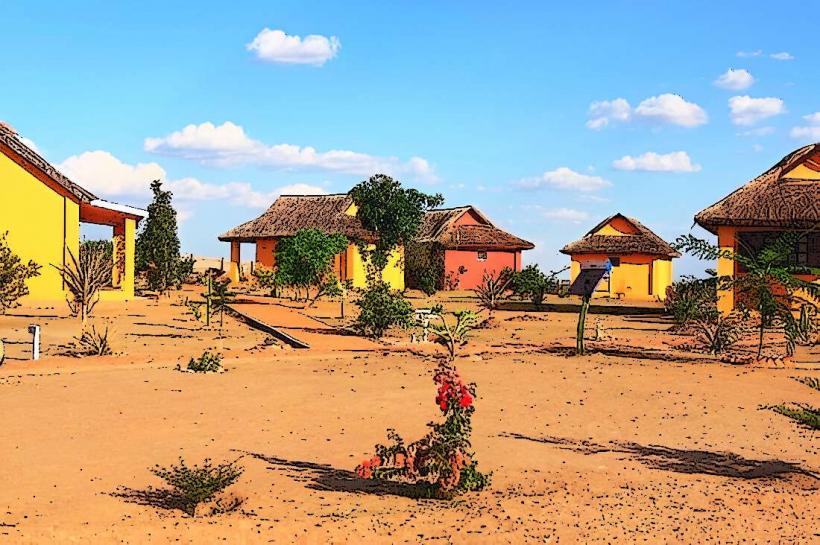
The museum building is a single-story structure, primarily constructed from local stone and concrete, featuring a corrugated metal roof. Its design incorporates elements that blend with the surrounding arid landscape. The exterior is unadorned, reflecting a functional architectural style typical of park facilities. The building measures approximately 15 meters in length and 8 meters in width.
Location & Access Logistics
The Isalo Museum is located approximately 2 kilometers east of the village of Ranohira, directly accessible from National Route 7 (RN7). From Ranohira, follow the signs towards Isalo National Park headquarters. Ample unpaved parking is available directly in front of the museum entrance. Public transport options are limited to taxi-brousse services to Ranohira, from which a local taxi or walk is required to reach the museum.
Historical & Ecological Origin
The Isalo Museum was established in 2003 with the primary purpose of educating visitors about the unique geology, biodiversity, and cultural significance of Isalo National Park and the surrounding region. It serves as a repository for artifacts and information pertaining to the Bara people, the indigenous ethnic group inhabiting the area, and their traditional practices and history within the park's ecosystem.
Key Highlights & Activities
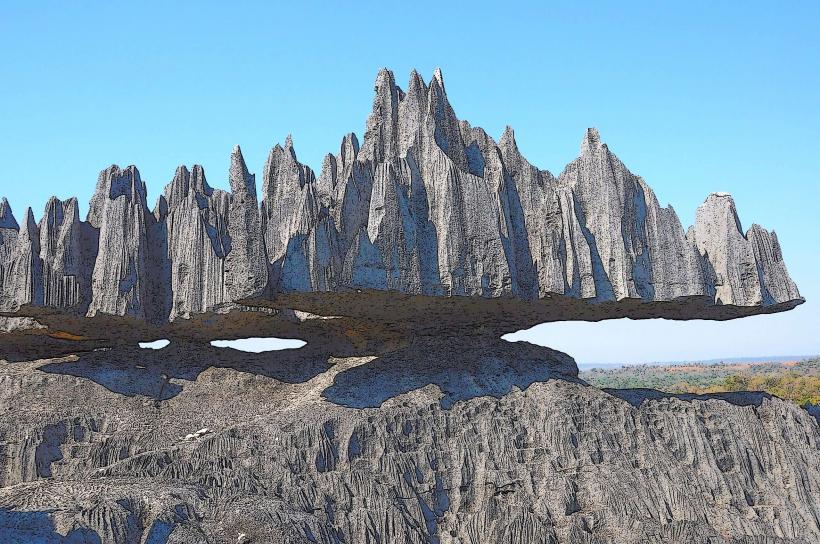
Visitors can examine exhibits detailing the geological formation of the Isalo Massif, including sandstone erosion patterns. Displays showcase the endemic flora and fauna of the park, such as ring-tailed lemurs and Pachypodium species. Cultural exhibits present the history, customs, and burial traditions of the Bara people through artifacts and informational panels.
Infrastructure & Amenities
The museum provides basic restroom facilities for visitors. Limited natural shade is available outside the building, with the interior offering full protection from the sun. Cell phone signal (2G/3G) is generally intermittent within the museum and surrounding park area. There are no direct food vendors at the museum; however, small shops and restaurants are available in the nearby village of Ranohira.
Best Time to Visit
The museum is best visited during the dry season, from May to October, when weather conditions are most favorable for travel in the region. Visiting in the morning, between 9:00 and 11:00, or in the late afternoon, between 15:00 and 17:00, avoids the peak heat of the day. The museum's indoor setting makes it suitable for visits at any time during its operating hours.
Facts & Legends
A notable exhibit within the museum details the traditional burial practices of the Bara people, who often place their deceased in natural caves and rock shelters within the Isalo Massif. These sites are considered sacred and are not typically accessible to the public. A specific tip for visitors is to review the park maps and trail information available at the museum before embarking on any hikes within Isalo National Park.
Nearby Landmarks
- Isalo National Park Headquarters: 0.1km East
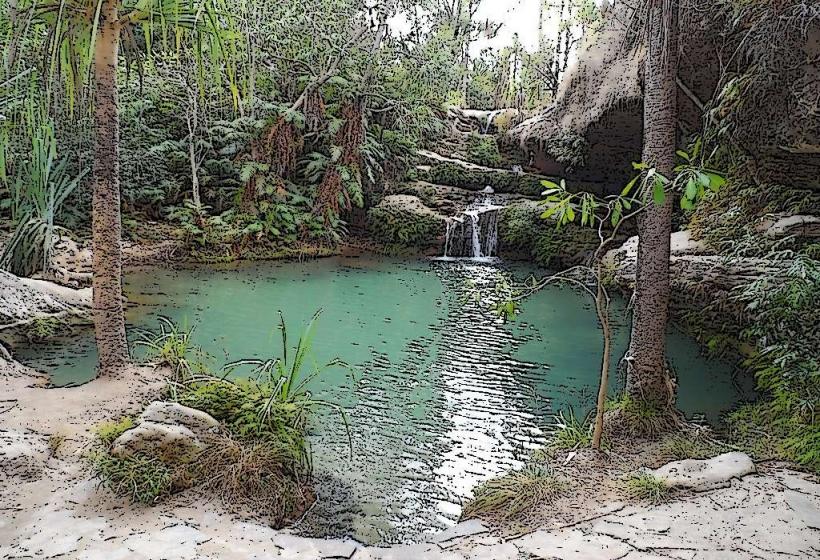
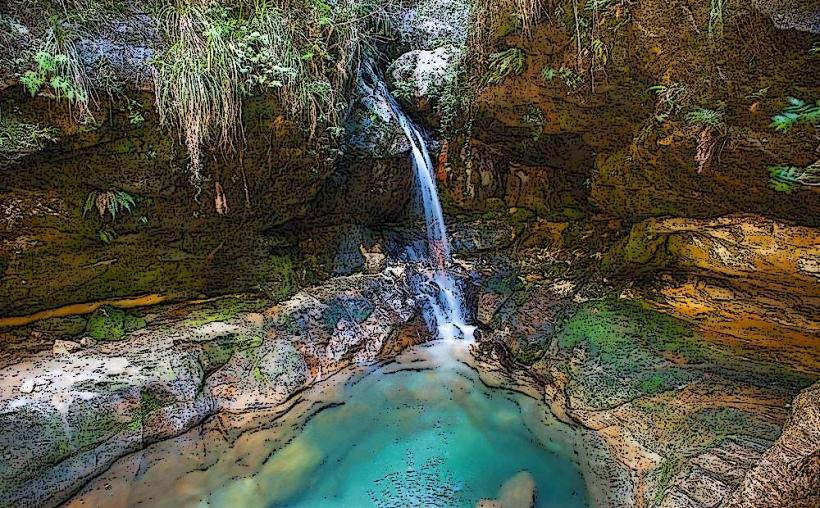
- Piscine Naturelle (Natural Pool): 7km North-East (via park trails)
- Ranohira Village: 2km West
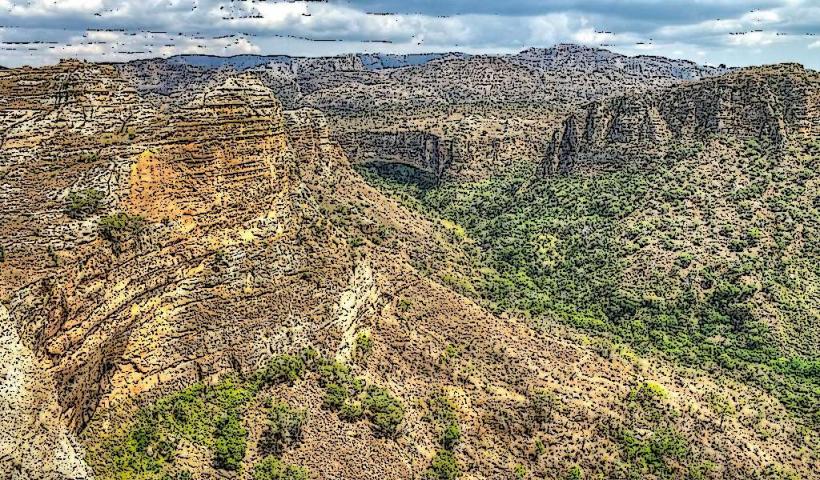
- Canyon des Makis (Lemur Canyon): 10km North-East (via park trails)
- Cascade des Nymphes (Nymphs' Waterfall): 8km North-East (via park trails)