Information
Landmark: Cataratas de la PiedraCity: Tarija
Country: Bolivia
Continent: South America
Cataratas de la Piedra, Tarija, Bolivia, South America
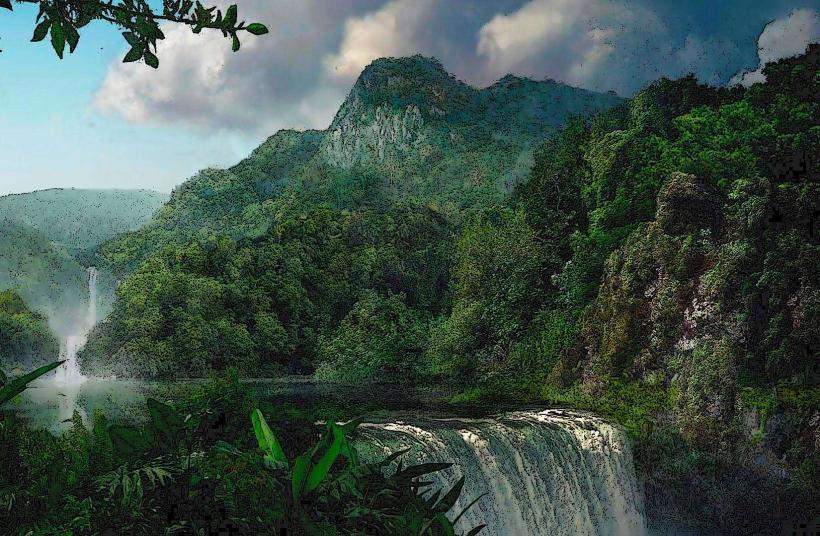
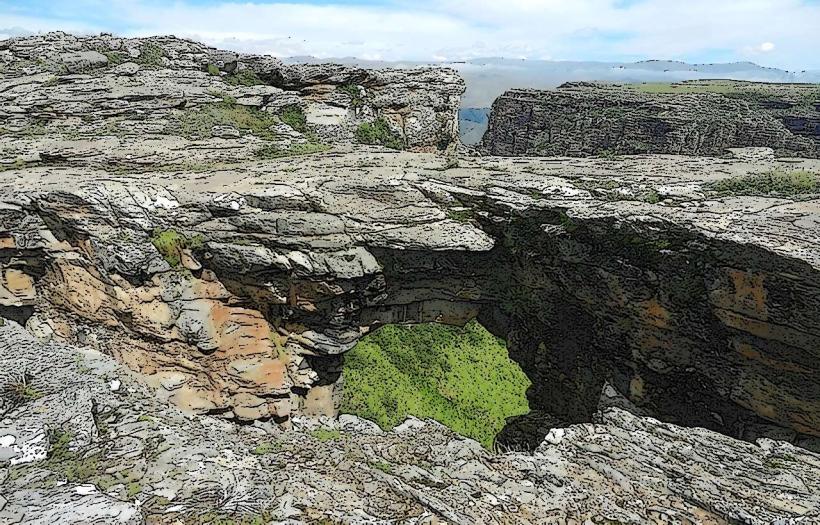
Cataratas de la Piedra is a waterfall system located in the vicinity of Tarija, Bolivia. It comprises multiple cascades descending over sedimentary rock formations.
Visual Characteristics
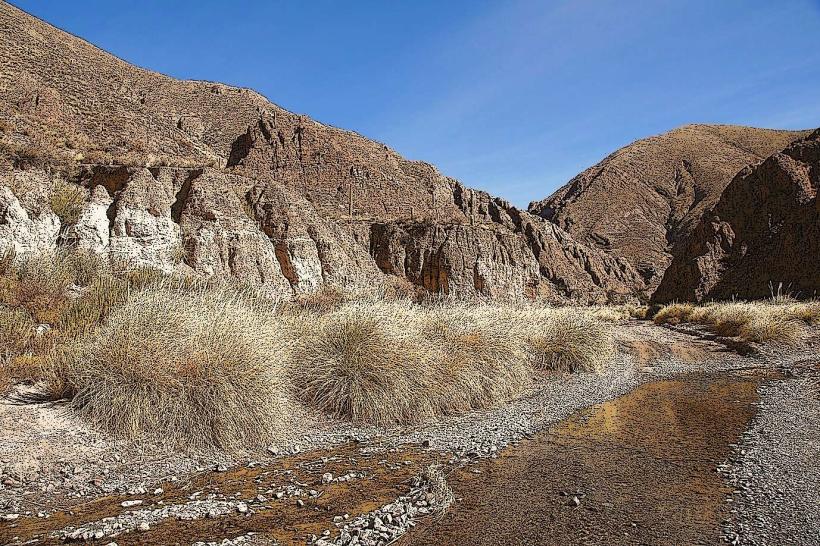
The waterfalls exhibit a tiered descent, with water flowing over layers of sandstone and conglomerate rock. The rock faces are predominantly ochre and grey. The water color varies from clear to a light brown depending on recent rainfall. Vegetation surrounding the falls consists of scrub brush and small trees adapted to arid conditions.
Location & Access Logistics
Cataratas de la Piedra is situated approximately 25 kilometers southwest of Tarija city center. Access is via the Ruta 1 national highway, turning onto a gravel road (unmarked, locally known as "Camino a las Cataratas") approximately 20 kilometers from Tarija. The gravel road extends for about 5 kilometers to a small parking area. Public transport is not available; private vehicle or taxi is required. The final approach to the falls involves a 15-minute walk from the parking area.
Historical & Ecological Origin
The geological formation is a result of fluvial erosion acting upon sedimentary rock layers deposited during the Miocene epoch. The specific rock types are primarily sandstone and conglomerate, indicating ancient riverbed environments. The waterfalls are a natural consequence of the river's course encountering resistant rock strata.
Key Highlights & Activities
Observation of the water cascades. Hiking along the riverbed upstream to explore smaller falls. Photography of the rock formations and water flow. Swimming is possible in designated pools at the base of the main falls during dry seasons.
Infrastructure & Amenities
There are no permanent facilities at Cataratas de la Piedra. No restrooms, shade structures, or food vendors are present. Cell phone signal is intermittent and generally unreliable. Visitors should carry all necessary supplies, including water and food.
Best Time to Visit
The best time for photography is late morning (10:00 AM - 12:00 PM) when sunlight illuminates the rock faces. The optimal months for visiting are from April to October, during the dry season, when water flow is moderate and access roads are in better condition. During the wet season (November to March), water flow increases significantly, potentially making access difficult and the falls more hazardous.
Facts & Legends
Local folklore suggests that the name "Cataratas de la Piedra" (Waterfalls of the Stone) originates from the belief that the rock formations are petrified giants. A verified historical detail is that the area was historically used by indigenous communities for water collection during their journeys.
Nearby Landmarks
- Torre de la Independencia (18km Northeast)
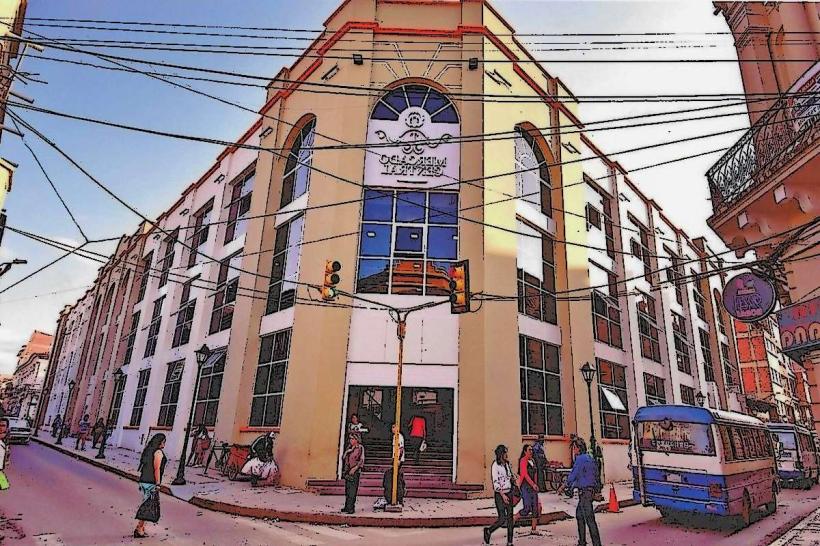
- Mercado Central de Tarija (24km Northeast)
- Museo de Paleontología y Arqueología (23km Northeast)
- Plaza Luis de Fuentes y Vargas (24km Northeast)