Information
Landmark: Laguna de los PatosCity: Tarija
Country: Bolivia
Continent: South America
Laguna de los Patos, Tarija, Bolivia, South America
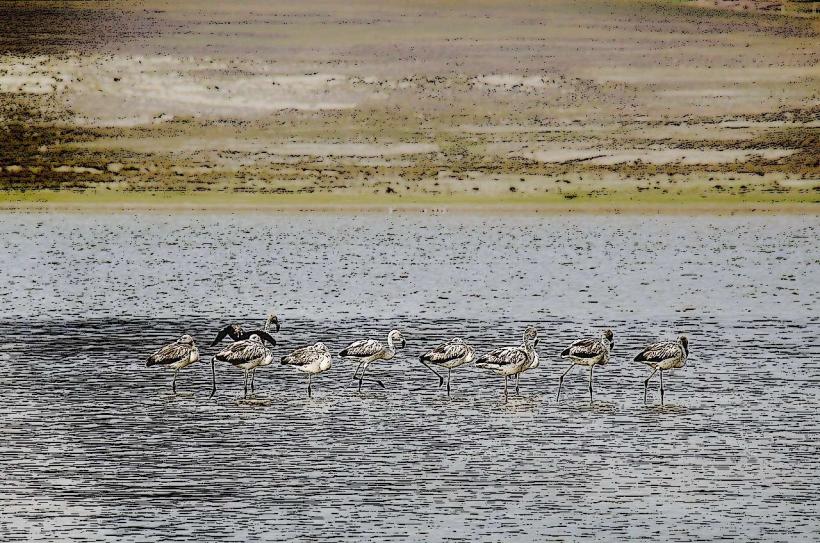
Laguna de los Patos is a shallow, freshwater lake situated within the urban limits of Tarija, Bolivia.
It serves as a significant local ecological and recreational area.
Visual Characteristics
The lake's surface is typically calm, reflecting the surrounding vegetation and sky. Water color varies from greenish-brown to a muddy brown depending on recent rainfall and sediment levels. The shoreline is characterized by reeds, grasses, and scattered trees. The area is generally flat, with no significant elevation changes.
Location & Access Logistics
Laguna de los Patos is located approximately 3 kilometers west of Tarija's central plaza. Access is via Avenida Los Libertadores, which runs along the northern edge of the lake. Several unpaved access roads branch off Avenida Los Libertadores, leading to informal parking areas. Public transport options include local bus lines that traverse Avenida Los Libertadores; specific line numbers are subject to change but generally serve the western periphery of the city.
Historical & Ecological Origin
The origin of Laguna de los Patos is primarily anthropogenic, formed by the impoundment of local runoff and small tributaries. It functions as a temporary wetland, its water levels fluctuating seasonally. Ecologically, it supports a variety of waterfowl and aquatic plant life adapted to shallow, nutrient-rich freshwater environments.
Key Highlights & Activities
Birdwatching is a primary activity, with numerous resident and migratory species present. Walking and cycling paths are available around sections of the lake. Fishing is permitted in designated areas, though catch sizes are often small.
Infrastructure & Amenities
Basic amenities are limited. Informal food vendors may be present on weekends and holidays, particularly near the main access points. Restrooms are generally not available. Shade is provided by scattered trees along the perimeter. Cell phone signal (4G/5G) is typically reliable in most areas surrounding the lake.
Best Time to Visit
For birdwatching, early morning (06:00-09:00) and late afternoon (16:00-18:00) offer the highest activity. The dry season (May to October) generally provides more stable water levels and clearer skies. During the wet season (November to April), water levels can rise significantly, and the water may become more turbid.
Facts & Legends
Local folklore suggests that the lake was once a much larger, deeper body of water, but its size has diminished over time due to natural sedimentation and agricultural diversion of its feeder streams. A specific tip for visitors is to wear insect repellent, especially during dawn and dusk, as mosquitoes can be prevalent.
Nearby Landmarks
- Parque de la Cultura Tarijeña (1.5km East)
- Mercado Central (2.0km East)
- Catedral de San Bernardo (2.5km East)
- Museo Paleontológico y Arqueológico (2.8km East)