Information
Landmark: Cenote XlacahCity: Merida City
Country: Mexico
Continent: North America
Cenote Xlacah, Merida City, Mexico, North America
Cenote Xlacah is a natural sinkhole located within the Dzibilchaltún archaeological site, approximately 15 kilometers north of Merida City, Mexico.
Visual Characteristics
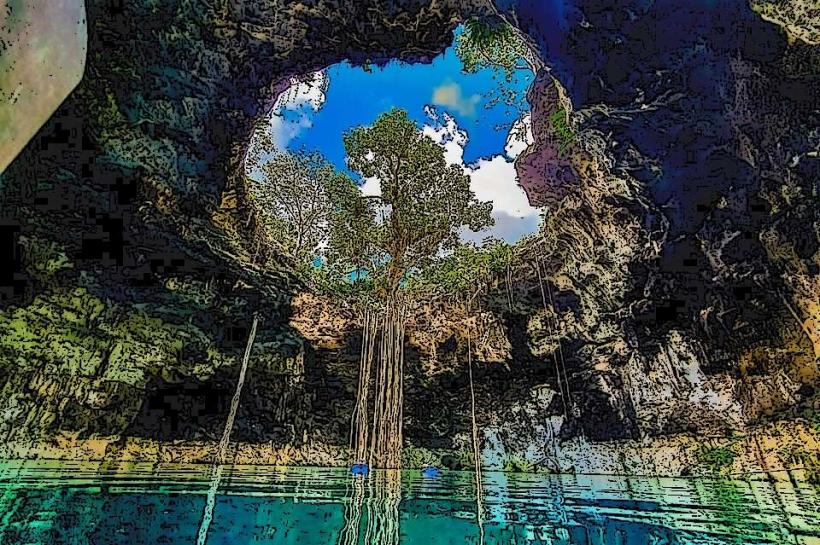
The cenote is an open-air, circular body of water with a diameter of approximately 30 meters. The water depth varies, reaching up to 15 meters in the center. The surrounding walls are composed of limestone rock, with some areas featuring exposed roots from vegetation growing above. The water color is typically a clear, light blue-green.
Location & Access Logistics
Cenote Xlacah is situated within the Dzibilchaltún National Park. Access is via Highway 261 (Merida-Progreso). Turn off at the sign for Dzibilchaltún. The site is approximately 15 kilometers from Merida's city center. Parking is available within the archaeological site's designated area. Public transport options include local bus lines that travel between Merida and Progreso, with a stop at the Dzibilchaltún entrance.
Historical & Ecological Origin
Cenote Xlacah is a natural geological formation, a sinkhole created by the collapse of limestone bedrock, exposing groundwater. It is part of the Yucatan Peninsula's extensive karst topography. Archaeological evidence suggests the Maya civilization utilized this cenote for water and possibly ritualistic purposes, with artifacts recovered from its depths.
Key Highlights & Activities
Swimming and snorkeling are permitted in the cenote. Visitors can explore the underwater cave system to a limited extent. The surrounding archaeological site offers opportunities for walking and observing Mayan ruins.
Infrastructure & Amenities
Restrooms are available near the entrance to the archaeological site. Limited shade is provided by natural vegetation around the cenote's edge. Cell phone signal (4G) is generally available. Food vendors are typically located near the main entrance of the Dzibilchaltún site, not directly at the cenote.
Best Time to Visit
For optimal lighting for photography, visit between 10:00 AM and 2:00 PM when sunlight directly illuminates the water. The best months for weather are generally from November to April, avoiding the peak rainy season. Water temperature remains consistent year-round.
Facts & Legends
Archaeological excavations in Cenote Xlacah have yielded numerous artifacts, including pottery, obsidian tools, and human remains, indicating its significance as a sacred site for the ancient Maya. One notable discovery was a complete Maya skeleton found preserved at the bottom.
Nearby Landmarks
- Dzibilchaltún Archaeological Site (0km West)
- Hacienda Sotuta de Peon (12km Southwest)
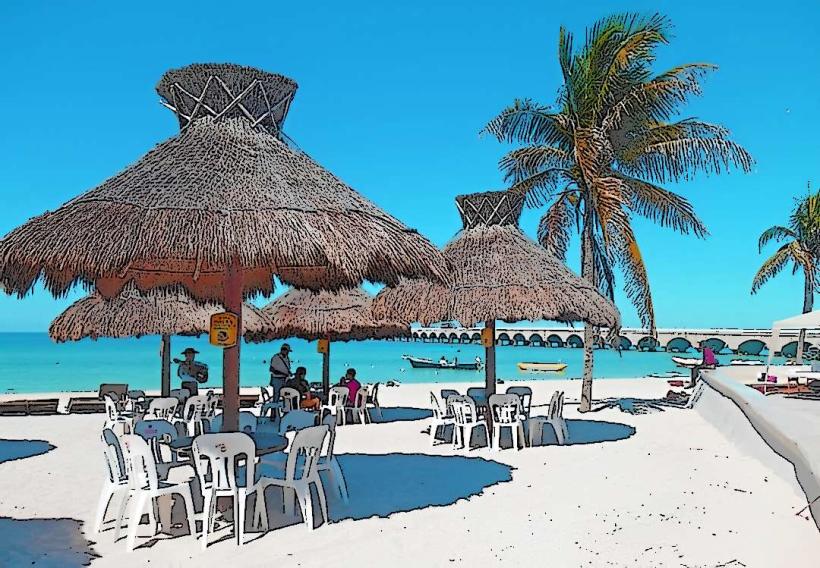
- Progreso Beach (15km North)
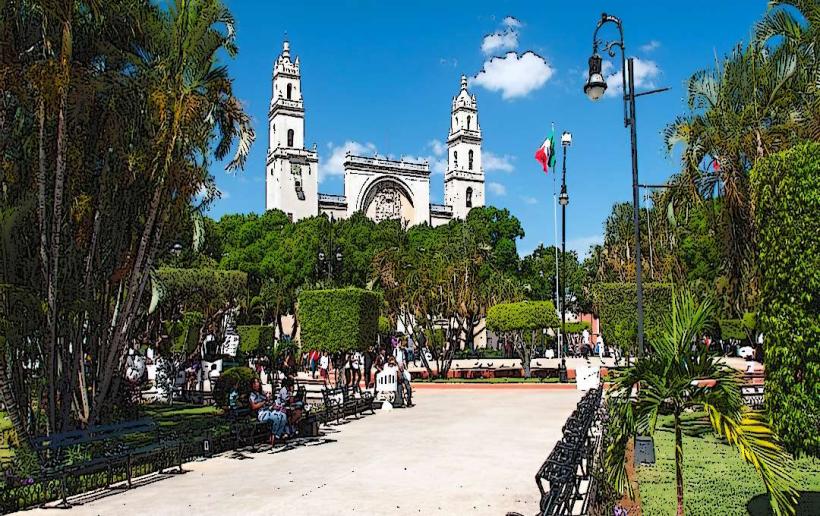
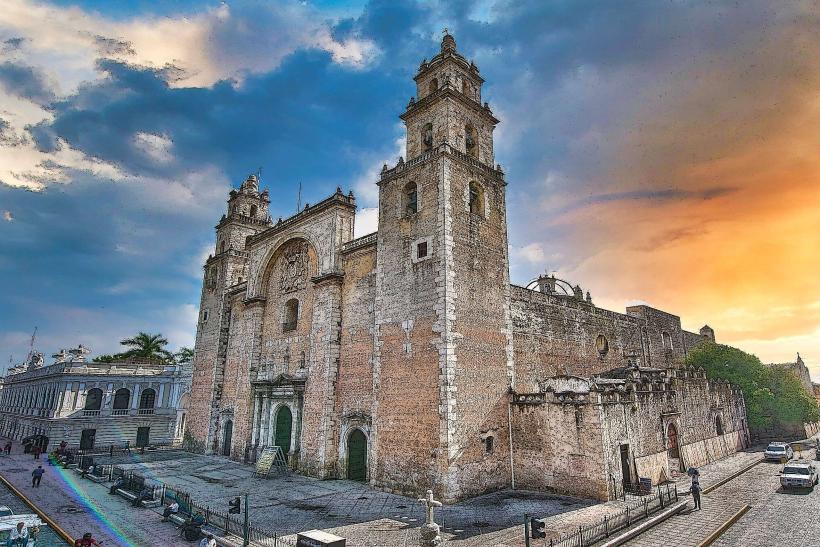
- Merida Cathedral (15km South)
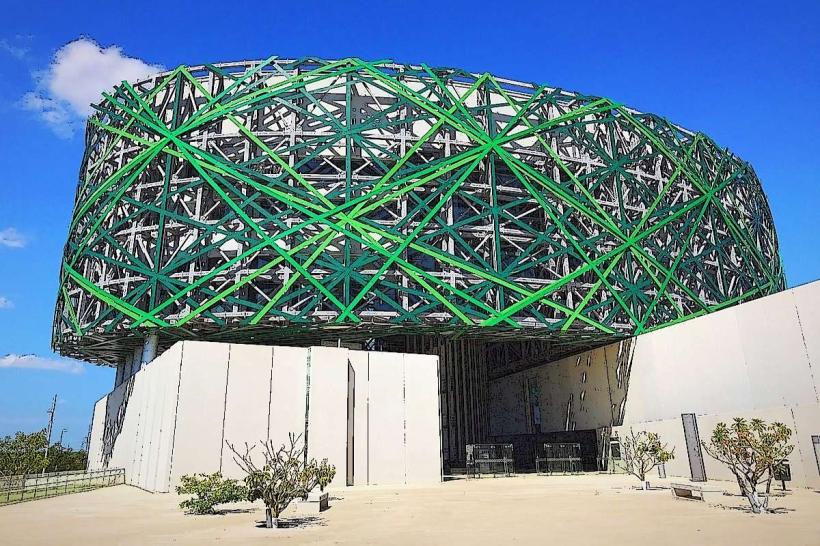
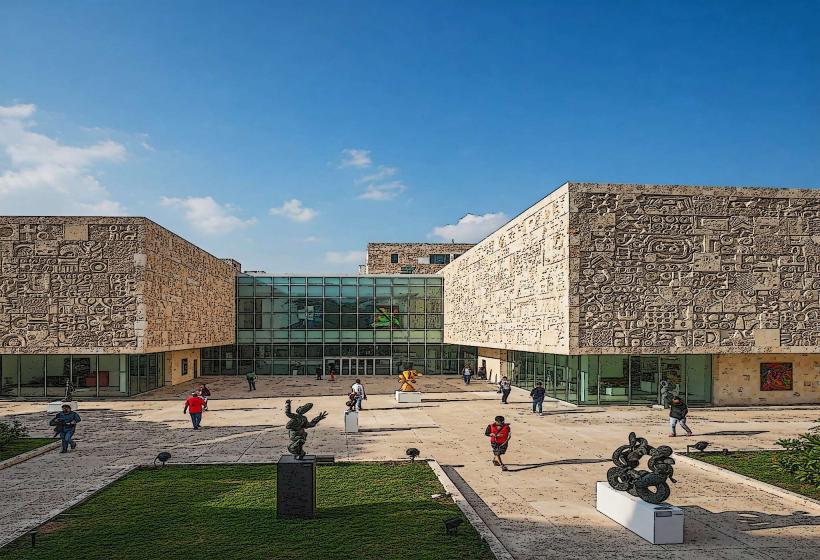
- Gran Museo del Mundo Maya (10km South)