Information
Landmark: Chapel of Saint Mary MagdaleneCity: Gomel
Country: Belarus
Continent: Europe
Chapel of Saint Mary Magdalene, Gomel, Belarus, Europe
Overview
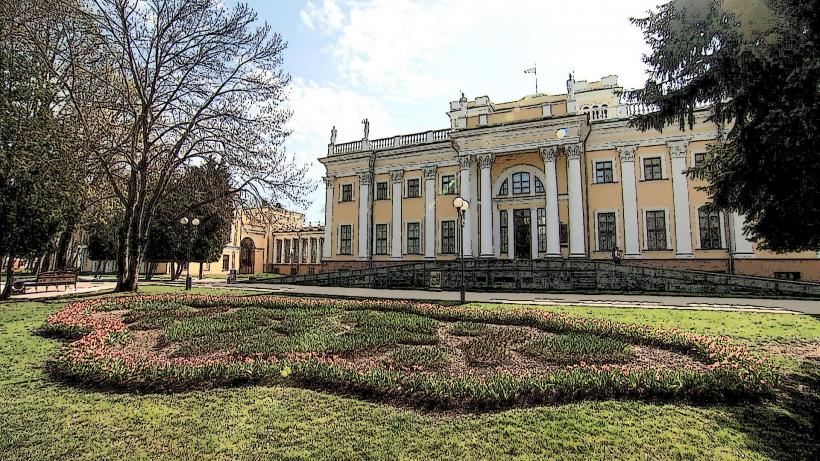
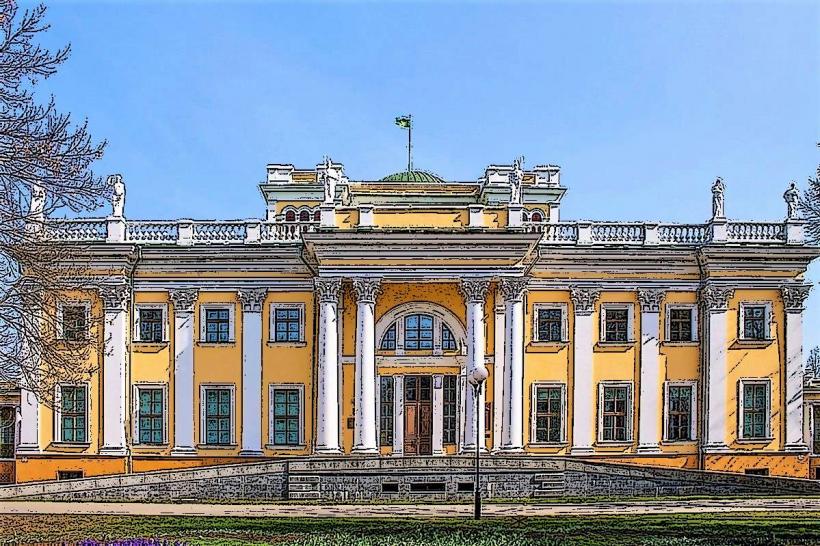
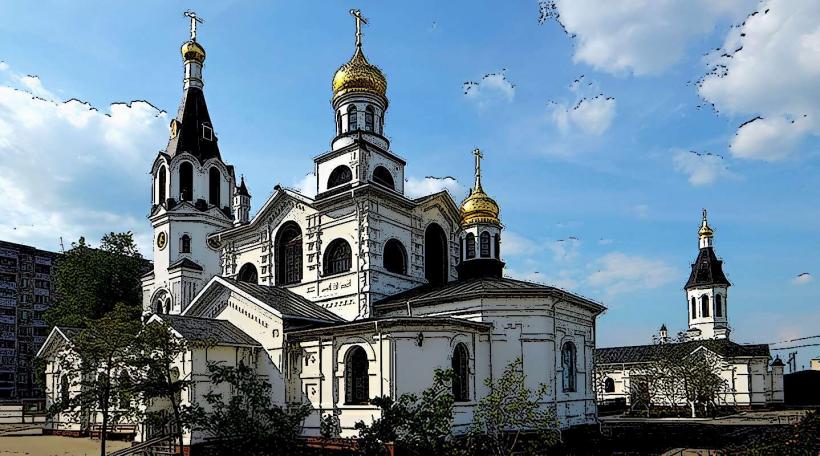
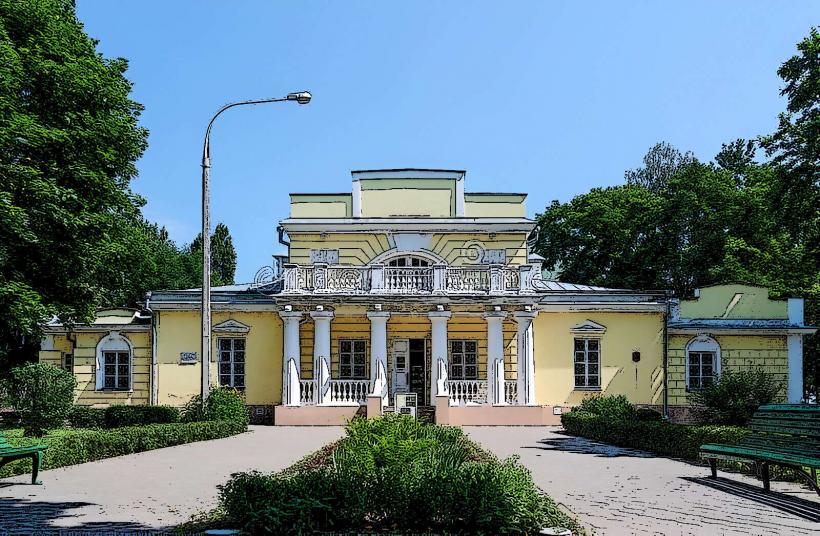
In Gomel, Belarus, the Chapel of Saint Mary Magdalene stands as a cherished piece of history, its graceful arches and quiet light drawing visitors to its beauty and deep spiritual meaning, meanwhile you’ll find it inside the Gomel Palace and Park Ensemble, a centerpiece of the city’s cultural and historical life, where white stone arches overlook quiet garden paths.The chapel stands as a hallmark of the region’s religious architecture, its stone walls echoing centuries of prayer, and it remains at the heart of both local worship and the area’s history, in turn first.The Chapel of Saint Mary Magdalene, built around 1826 at the request of the Rumyantsev-Paskevich family, rose from the grassy grounds near the Gomel Palace, where the local aristocracy held sway in the early 19th century, likewise the ruling nobles built the chapel as their own private church, a quiet locale where they could kneel in prayer and sit in still reflection.They dedicated it to Saint Mary Magdalene, honored in Christian tradition for walking beside Jesus and sharing in his ministry, in turn the chapel went up as part of the grand expansion of the Gomel Palace and Park Ensemble, a sprawling estate Prince Vasily Paskevich-a powerful figure in the Russian Empire-was shaping into an opulent home, its marble halls catching the afternoon light.They built the chapel as one piece of a grand plan-a sprawling estate with a palace at its heart, gardens stretching into the park, scattered outbuildings, and the family’s own quiet sanctuary for worship and ceremony, after that number two sat there in bold print, sharp as ink on fresh paper.The Chapel of Saint Mary Magdalene is a modest yet graceful building, its carved stone arches and pointed windows blending classical and neo-Gothic styles common in that era, alternatively the design captures the Russian aristocracy’s religious and cultural ambitions, weaving local traditions with touches of European architecture, like gilded domes beside sculpted stone arches.a.The chapel’s brick walls give it a warm, sturdy feel, and its shape follows a simple, rectangular design, after that the chapel’s exterior brims with sculptural flourishes and ornate windows, its facade crowned by a sweeping arch over the entrance.Petite stone niches and delicate carvings catch the light, each one worked with patient care, likewise it reflects the stylistic trends of early 19th-century church architecture, standing amid the wide, leafy grounds of the Gomel Palace and Park Ensemble, where the air smells faintly of cut grass.Inside, the chapel’s simple furnishings create a space that feels both humble and quietly stunning, not only that at the heart of the chapel stands the altar and the iconostasis-a carved wooden screen glowing with painted icons-while every wall and corner holds religious art and sacred objects.Inside the chapel, rows of finely carved wooden pews wait for the congregation, while sunlight spills through stained-glass windows, casting soft colors across the floor, equally important the walls carry Eastern Orthodox iconography in honor of Saint Mary Magdalene, reflecting its setting as a family sanctuary for the Orthodox Christian community.Curiously, For the Paskevich family and their guests, it was a private refuge-somewhere to pray, reflect, and worship in peace, consequently the family used it for private services and ceremonies, sometimes lit by the warm glow of candlelight, tied closely to their religious traditions.Not surprisingly, By dedicating the chapel to Saint Mary Magdalene, a pivotal figure in Christian tradition, the builders honor her as a living emblem of devotion, repentance, and the hope of redemption, like light spilling through stained glass onto the stone floor, consequently in Orthodox Christian tradition, Mary Magdalene is honored as a saint, and her chapel was likely meant as a quiet setting where visitors could pause, breathe in the scent of candle wax, and feel closer to the divine, generally Funny enough, Number four, simultaneously the chapel holds a key site in the Gomel Palace and Park Ensemble, a treasured cultural landmark where pale stone walls catch the afternoon light.The Palace and Park Ensemble is a true architectural treasure, with the chapel adding its own touch of history and beauty-its weathered stone catching the late afternoon light, to boot set deep inside the palace grounds, the chapel’s graceful design speaks to the Paskevich family’s lofty aristocratic and devout ambitions, revealing how they wove art and faith together within the quiet heart of their private estate.Over the years, the chapel has grown into one of Gomel’s most treasured landmarks, holding echoes of the region’s rich past and the quiet weight of its religious heritage, besides today, the chapel welcomes the public, inviting them to wander through its graceful arches and discover how it fits into the rich history of the wider Gomel Palace.Five, meanwhile like many historic places of worship, the Chapel of Saint Mary Magdalene has seen several rounds of careful restoration, from shoring up its stone walls to protecting the faded gold leaf that still glimmers in the light, all to safeguard its structure and cultural legacy.Thanks to these restorations, the chapel will stand in Gomel’s heart for years to come, its stone walls still telling the city’s story to future generations, therefore in the Soviet era, countless religious buildings fell into disrepair, and the chapel’s paint peeled like ancient bark under the sun.As far as I can tell, After the Soviet Union fell, work began to restore the chapel-scaffolding rose against its faded walls-and people set out to protect its artistic beauty and sacred meaning, in addition in Gomel, it still stands as a proud symbol of the city’s spiritual roots and cultural heritage, like the steady chime of an vintage church bell.Number six sat alone on the page, sharp as chalk on a blackboard, also the Chapel of Saint Mary Magdalene in Gomel stands as both a striking work of architecture and a setting of deep faith, its walls echoing the region’s long connection to the Russian aristocracy and the traditions of Orthodox Christianity.With its graceful design, deep spiritual meaning, and central venue in the Gomel Palace and Park Ensemble, it draws both locals and visitors-much like a quiet bell that carries across the gardens, after that you can step inside the chapel to pray or simply admire its architecture, but either way, you’ll catch a glimpse of the region’s 19th‑century spiritual and cultural life-faded wood pews and all.
Author: Tourist Landmarks
Date: 2025-09-07