Information
Landmark: Chew JettyCity: Penang
Country: Malaysia
Continent: Asia
Chew Jetty, Penang, Malaysia, Asia
The Chew Jetty is one of the most iconic and historic attractions in Penang, Malaysia. Located along the George Town waterfront, it is part of a series of water villages known as the Clan Jetties, which were historically built by Chinese immigrant communities. Chew Jetty is the largest and most famous of the clan jetties, offering visitors a glimpse into Penang’s rich cultural heritage and the life of the Chinese immigrant communities who settled here.
History:
The Chew Jetty has a long and fascinating history, dating back to the mid-19th century. It was established by the Chew clan, a prominent group of Chinese immigrants who originally came from the Guangdong province in southern China. These early settlers were part of the large wave of Chinese immigrants who came to Penang to seek their fortune, particularly during the British colonial period.
The Chew Jetty, like other clan jetties, was originally a place for these communities to build their homes on stilts, extending out over the water. Over the years, the jetty became more of a vibrant settlement, where families lived in close-knit communities and engaged in activities like fishing and trade.
Architecture and Layout:
The Chew Jetty consists of a wooden walkway that stretches out into the sea, lined by traditional wooden houses built on stilts. These houses are designed to withstand the rising tides and storms common in the region. The layout of the jetty is relatively simple, with a narrow walkway leading to the residential houses that still line the sides of the pier.
Stilted Homes: The homes on Chew Jetty are built on stilts, a common feature of water villages in Southeast Asia. These houses, mostly made of wood, are compact but functional, with some featuring intricate designs and decorations reflective of the traditional Chinese architectural style.
Wooden Walkway: The main walkway along Chew Jetty is a wooden path that allows both residents and visitors to walk along the jetty. It provides stunning views of the water and surrounding areas, including the Penang Strait. It’s also an excellent place for photography, capturing both the rustic charm of the homes and the lively atmosphere of the water village.
Cultural Significance:
Chinese Clan Traditions: The Chew clan is one of the many Chinese clans that settled in Penang, and the jetty represents their continued presence in the region. The people living on the jetty still maintain close connections to their Chinese heritage, with many homes adorned with Chinese symbols and ancestral portraits. The community follows traditional customs, including ancestor worship and the observance of Chinese festivals such as the Chinese New Year and Mid-Autumn Festival.
Self-Sufficient Lifestyle: Historically, the residents of Chew Jetty were highly self-sufficient. They relied on fishing, boat building, and small-scale trade to sustain their community. This lifestyle has largely remained intact in some areas, although modern developments have introduced changes over the years.
Traditional Shops and Stalls: While Chew Jetty is primarily a residential area, there are several small shops and stalls that sell local crafts, souvenirs, and traditional snacks. These stalls provide an opportunity to interact with the local residents and learn more about the culture of the community.
Modern-day Chew Jetty:
Today, Chew Jetty is a popular tourist destination and a UNESCO-listed George Town World Heritage Site. Visitors come to experience the unique atmosphere of the water village, which has remained relatively unchanged despite the growing tourism in Penang. Although many of the original houses have been modernized, the jetty still retains its rustic charm and remains a living testament to Penang’s rich cultural heritage.
Tourism: Chew Jetty is one of the best-preserved and most accessible of the clan jetties. It draws visitors from around the world who want to experience a piece of Penang’s history and explore the traditional lifestyle of the Chinese community.
Cultural Preservation: The residents of Chew Jetty continue to maintain their cultural practices while welcoming tourists. The community values the preservation of their heritage, and efforts are made to maintain the authenticity of the jetty as a cultural landmark.
Visitor Experience:
Walking Tour: Visitors can walk along the wooden path, taking in the view of the Penang Strait, boats, and the stilt houses. The atmosphere is peaceful, and the views of the coastline are spectacular, making it a relaxing experience for tourists.
Photography: Chew Jetty is a popular spot for photographers, as it offers many opportunities to capture both the rustic beauty of the traditional wooden houses and the stunning backdrop of the waterfront. The sunrise and sunset are particularly picturesque, offering incredible photo opportunities.
Local Cuisine and Shopping: Along the jetty, visitors will find small stalls selling traditional Chinese snacks, handicrafts, and souvenirs. You can try local treats such as chwee kueh (steamed rice cakes), popiah (spring rolls), and other Penang delicacies. There are also shops selling Chinese-themed souvenirs, including lanterns, tea sets, and artwork.
Cultural Insights: While walking along the jetty, visitors can stop and chat with the residents, who are often happy to share stories about the history of the jetty, their lifestyle, and the Chew clan’s traditions. Some homes and small businesses also sell Chinese herbal remedies and offer visitors insights into traditional medicine.
Nearby Attractions:
Clan Jetties: Chew Jetty is one of the six main Clan Jetties in Penang, and visitors often explore other jetties in the vicinity, such as the Lim Jetty, Ng Jetty, and Tan Jetty, to see different communities with their own unique histories.
Street Art in George Town: Chew Jetty is located near the heart of George Town, Penang’s UNESCO-listed heritage city. After visiting the jetty, tourists can explore the vibrant street art scene in the city, which features murals painted by local and international artists.
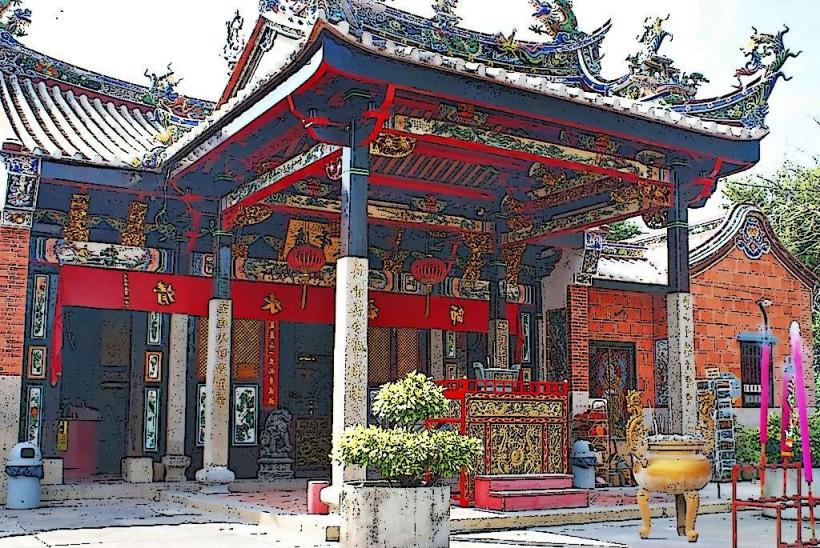
Khoo Kongsi: A short distance from the Chew Jetty is the Khoo Kongsi, a historic Chinese clan house that represents the Khoo clan. It is one of the most spectacular examples of traditional Chinese architecture in Penang.
Conclusion:
The Chew Jetty offers a unique opportunity to explore Penang’s Chinese heritage in an authentic, tranquil setting. The water village gives visitors insight into the history of Chinese immigrants in Penang and allows them to experience life in a traditional water settlement. Whether you are a history enthusiast, a photographer, or a culture lover, Chew Jetty is a must-visit attraction for anyone interested in the rich heritage of Penang.