Information
Landmark: Christchurch CathedralCity: Christchurch
Country: New Zealand
Continent: Australia
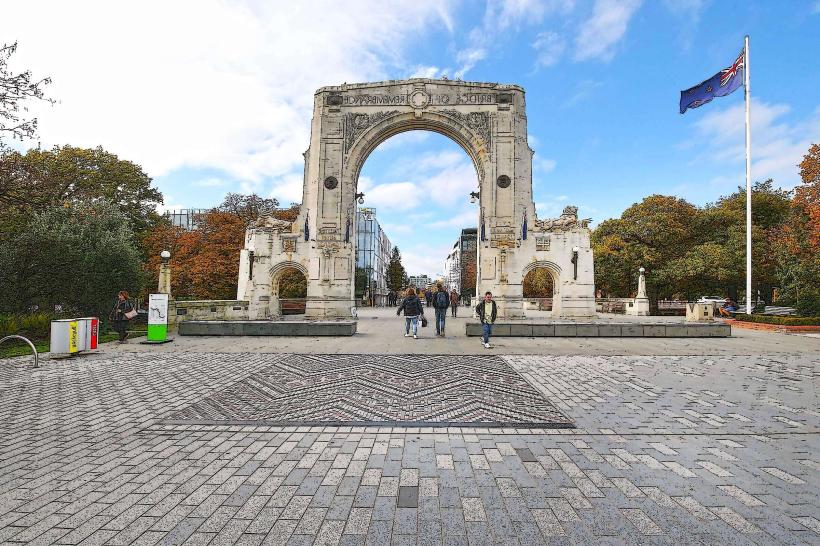
Christchurch Cathedral, Christchurch, New Zealand, Australia
Christchurch Cathedral is a significant religious structure located in the central business district of Christchurch, New Zealand. It is an Anglican cathedral that has served the city for over a century.
Visual Characteristics
The cathedral is constructed primarily from Oamaru stone, a pale limestone, giving it a light cream color. It features a prominent central tower, approximately 63 meters in height, topped with a spire. The architectural style is predominantly Gothic Revival, characterized by pointed arches, ribbed vaults, and stained-glass windows. The nave is cruciform in plan, with transepts and a choir. Following seismic events, temporary structures have been integrated into its appearance.
Location & Access Logistics
Christchurch Cathedral is situated at Cathedral Square, the central hub of Christchurch. It is approximately 1.5 kilometers east of the Avon River. Vehicle access to Cathedral Square is restricted due to ongoing restoration and public space development. Limited on-street parking is available in surrounding streets, with multi-story car parks located within a 500-meter radius, such as the Lichfield Street Car Park. Public transport routes converge at the Bus Interchange, located approximately 600 meters southwest of the cathedral, with numerous bus lines serving the city center.
Historical & Ecological Origin
Construction of Christchurch Cathedral began in 1864, with the foundation stone laid by Governor Sir George Grey. The architect was Benjamin Mountfort, who designed it in the Gothic Revival style. The original purpose was to serve as the principal place of worship for the Anglican Diocese of Christchurch. The cathedral has undergone several phases of construction and modification throughout its history, including the addition of the tower and spire in 1904.
Key Highlights & Activities
Visitors can observe the exterior architecture and the ongoing restoration efforts. Access to the interior is currently limited and subject to change. Guided tours of the cathedral grounds and available interior spaces are offered on specific days and times. Photography of the exterior is permitted. The surrounding Cathedral Square provides open space for public gathering.
Infrastructure & Amenities
Restrooms are available in the vicinity of Cathedral Square, typically within nearby public facilities or cafes. Shade is provided by surrounding buildings and mature trees in the square. Cell phone signal (4G/5G) is generally strong within the central business district. Food and beverage vendors are present in Cathedral Square and along adjacent streets.
Best Time to Visit
For exterior photography, early morning or late afternoon light offers optimal illumination of the stone facade. The best months for visiting Christchurch are generally from September to November (spring) and March to May (autumn), offering moderate temperatures. There are no specific tide requirements for visiting the cathedral.
Facts & Legends
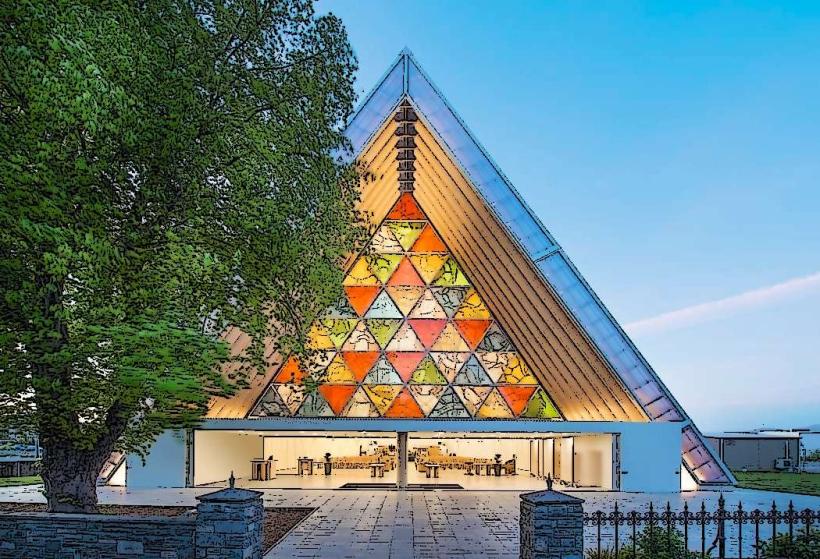
A notable historical oddity is the "Cardboard Cathedral" (The Transitional Cathedral), a temporary structure built from cardboard tubes, which served as the main cathedral following the 2011 earthquake while the original was being repaired. It was designed by Shigeru Ban.
Nearby Landmarks
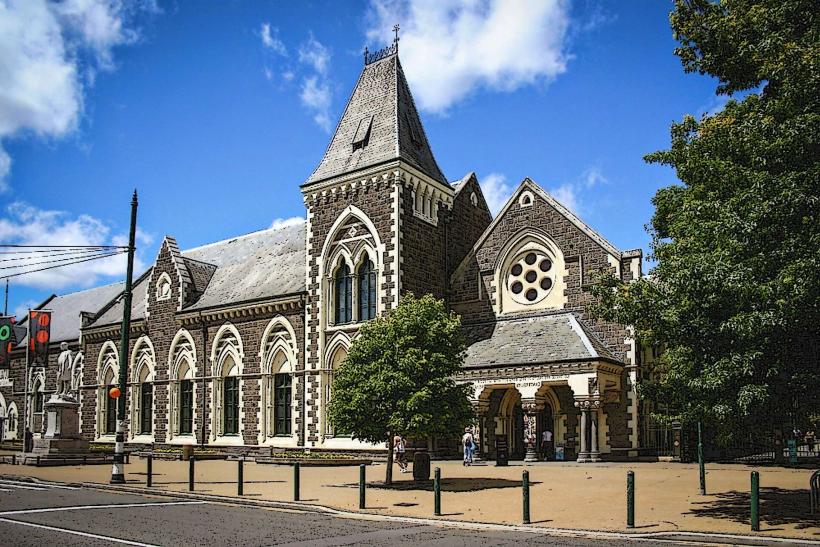
Canterbury Museum: 0.3km West
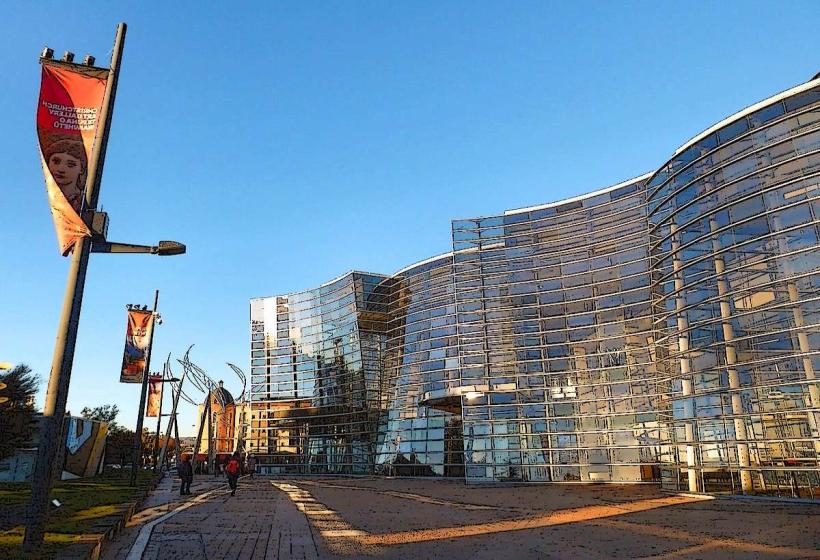
Christchurch Art Gallery Te Puna o Waiwhetū: 0.4km Northwest
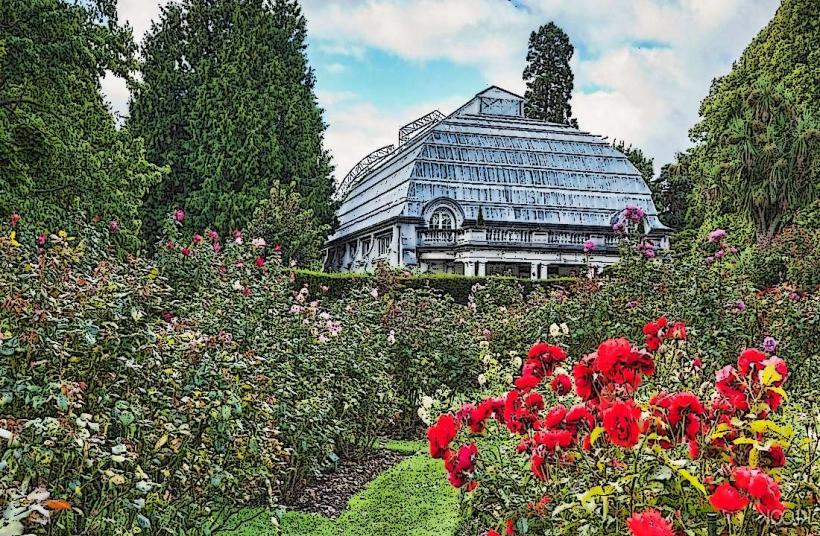
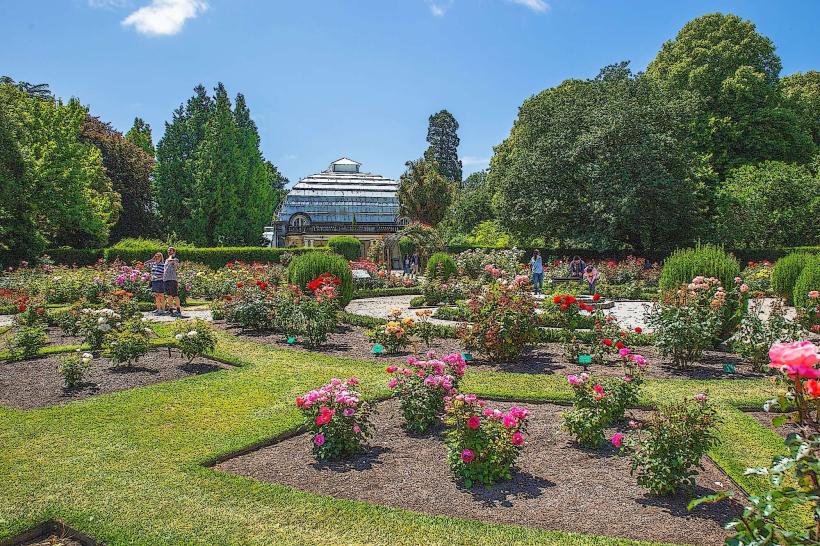
Botanic Gardens: 0.6km Southwest
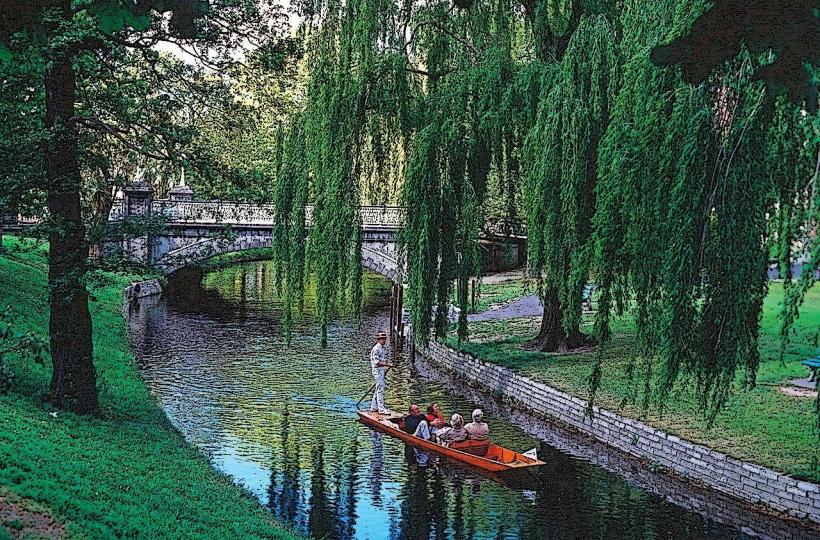
Riverside Market: 0.7km West
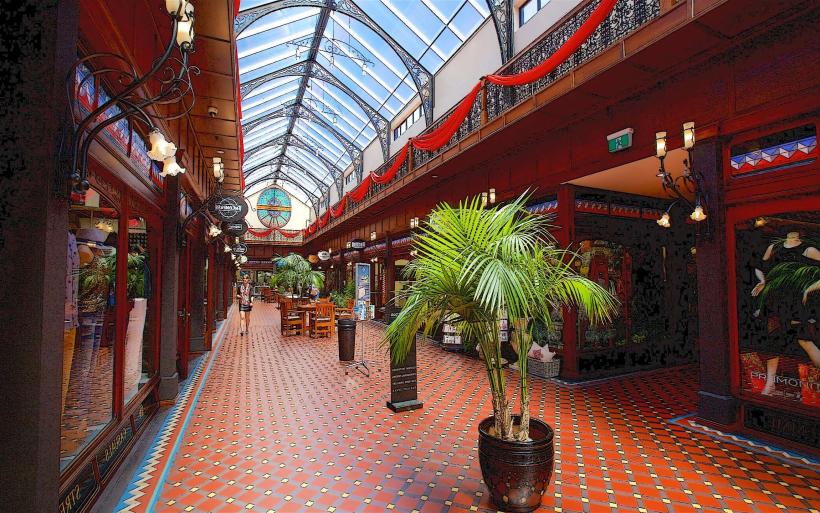
New Regent Street: 0.8km Southwest