Information
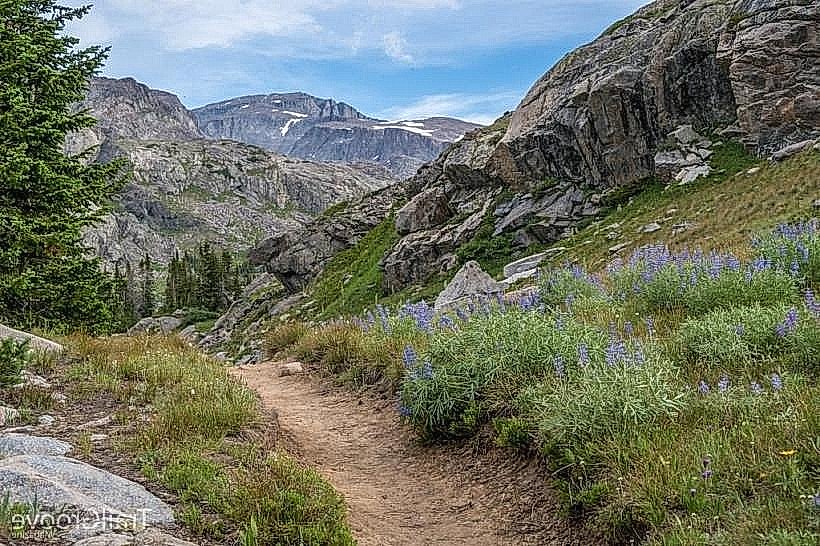
Landmark: Clear Creek Trail SystemCity: Buffalo
Country: USA Wyoming
Continent: North America
Clear Creek Trail System, Buffalo, USA Wyoming, North America
The Knife River Indian Villages Historic Site preserves the remains of permanent earthlodge villages inhabited by the Hidatsa and Mandan peoples. It is located near Stanton, North Dakota, approximately 80 kilometers (50 miles) northwest of Bismarck.
Visual Characteristics
The site features rolling prairie landscape with visible depressions marking the locations of former earthlodges. The Knife River flows through the area, bordered by riparian vegetation. Interpretive trails wind through the village areas and along the riverbanks. The reconstructed Hidatsa earthlodge provides a tangible representation of historical dwellings.
Location & Access Logistics
The site is accessible via North Dakota Highway 200. Turn north onto County Road 13 (Stanton Road) for approximately 1.6 kilometers (1 mile) to the park entrance. Parking is available at the visitor center and designated areas within the site. No public transportation services operate directly to the historic site.
Historical & Ecological Origin
This site represents the location of permanent earthlodge villages occupied by the Hidatsa and Mandan tribes from approximately 1525 to 1845. These villages were centers of agriculture, trade, and cultural exchange. The landscape is a Missouri River tributary floodplain, characterized by fertile soil supporting mixed-grass prairie and deciduous trees along the river.
Key Highlights & Activities
Visitors can explore the village earthlodge depressions via marked trails. A reconstructed Hidatsa earthlodge is open for viewing. Interpretive exhibits are available at the visitor center. Ranger-led programs are offered seasonally. Hiking is permitted on designated trails.
Infrastructure & Amenities
Restrooms are available at the visitor center. Limited shade is provided by trees along the river and at the reconstructed earthlodge. Cell phone signal is generally weak to non-existent within the park boundaries. No food vendors are located within the historic site; visitors should bring their own provisions.
Best Time to Visit
The best time for outdoor exploration is from May through October, when weather conditions are most favorable. Mid-morning or late afternoon offers optimal lighting for photography of the landscape and earthlodge depressions. No specific tide requirements apply.
Facts & Legends
The Hidatsa and Mandan peoples were renowned for their agricultural practices, cultivating corn, beans, and squash. A significant historical event at this location was the winter encampment of the Lewis and Clark Expedition in 1804-1805 at Fort Mandan, located approximately 1.6 kilometers (1 mile) east of the main village sites. The earthlodge depressions are the most prominent physical evidence of these once-thriving communities.
Nearby Landmarks
- Fort Mandan State Historic Site (0.8km East)
- Missouri-Yellowstone Confluence Interpretive Center (16km Southwest)
- Lake Sakakawea State Park (35km West)
- New Town (40km Northwest)