Information
Landmark: Letchworth State ParkCity: Buffalo
Country: USA New York
Continent: North America
Letchworth State Park, Buffalo, USA New York, North America
Letchworth State Park is a protected natural area located in western New York State, south of Buffalo.
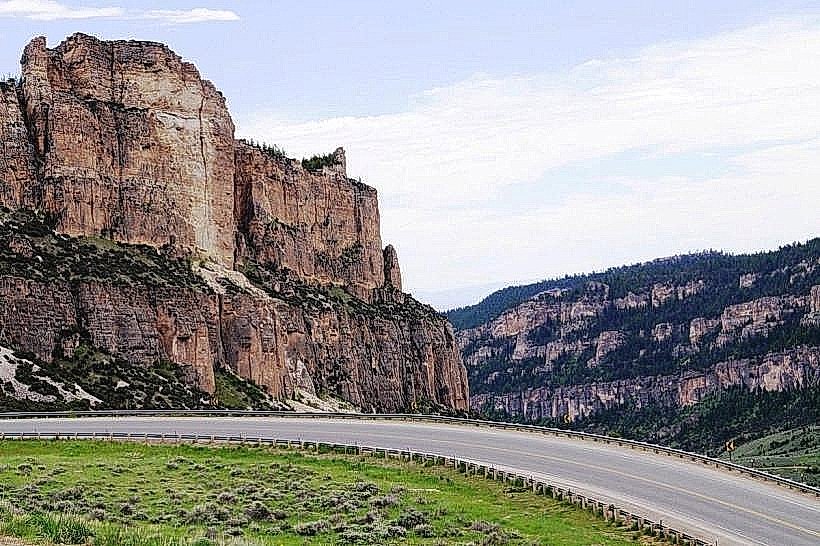
The park encompasses a significant portion of the Genesee River Gorge, featuring multiple waterfalls and steep canyon walls.
Visual Characteristics
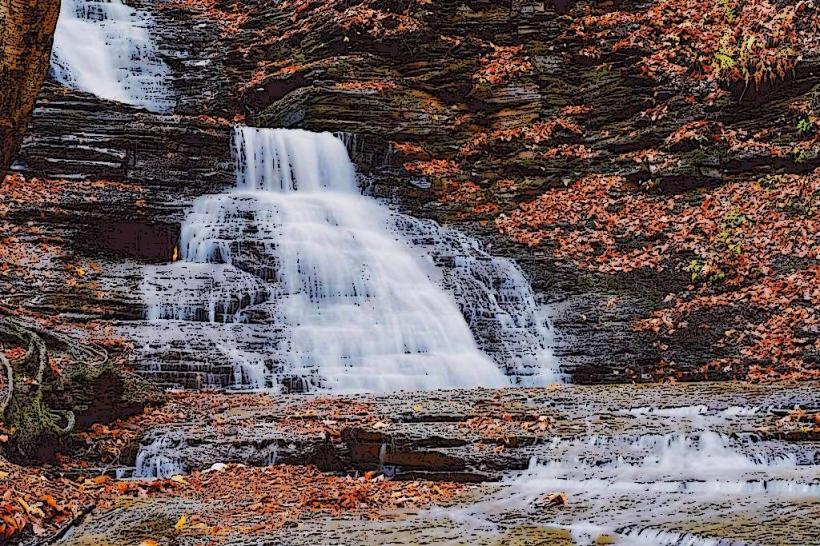
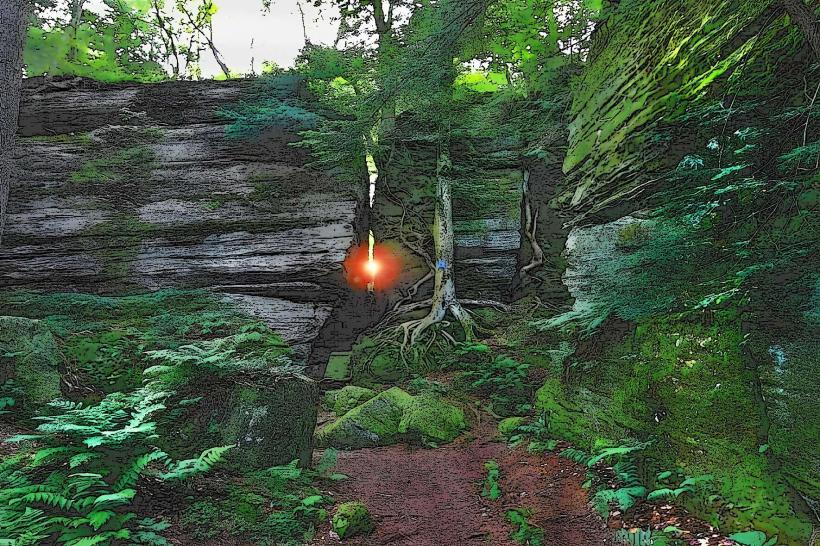
The gorge walls are composed of Devonian sedimentary rock, primarily shale and sandstone, exhibiting layered strata. The Genesee River flows through the gorge, with its color varying from deep green to brown depending on recent rainfall. Vegetation density is high, with deciduous forests covering the upper rim and slopes, featuring a mix of maple, oak, and beech trees. The park contains three major waterfalls: the Upper Falls (109 feet), Middle Falls (104 feet), and Lower Falls (70 feet).
Location & Access Logistics
Letchworth State Park is situated approximately 50 miles south of Buffalo, New York. Access is primarily via State Route 19A, which runs along the eastern rim of the gorge. The park has multiple entrances; the main entrance is off Route 19A near Castile, NY. Parking is available at designated lots throughout the park, including near the visitor center, waterfalls, and picnic areas. There are no direct public transport routes to the park from Buffalo. Visitors typically require private vehicles.
Historical & Ecological Origin
The Genesee River Gorge was carved by glacial meltwater during the last Ice Age, approximately 10,000 years ago. The park was established in 1906, initially as the Portage Park Association, to preserve the natural beauty of the gorge and waterfalls, which were threatened by industrial development. The land was later transferred to New York State. The area is classified as a temperate deciduous forest ecosystem.
Key Highlights & Activities
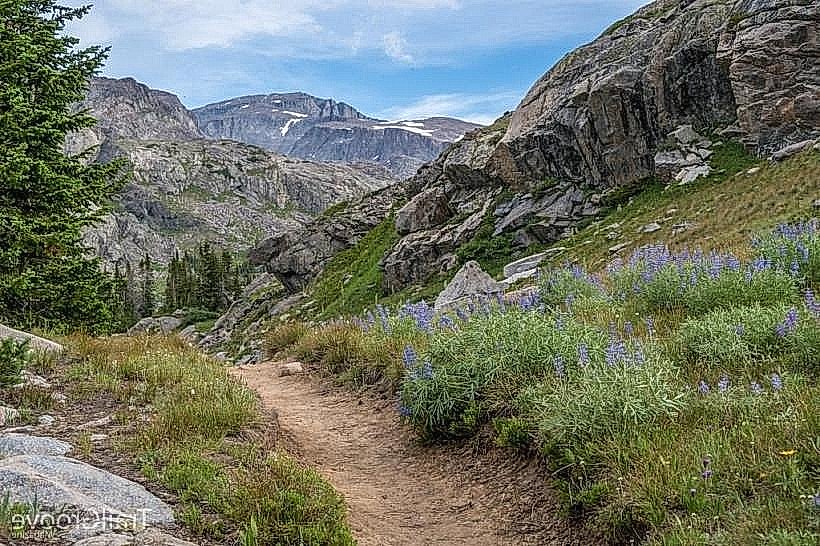
Hiking is available on over 66 miles of trails, including the Gorge Trail which follows the rim. Photography of the waterfalls and gorge is a primary activity. Picnicking is permitted at designated sites. During summer months, hot air balloon rides offer aerial views of the gorge. White-water rafting is possible on the Genesee River during specific seasons and water flow conditions. The Humphrey Nature Center provides educational exhibits on the park's ecology.
Infrastructure & Amenities
Restrooms are available at various locations, including the visitor center and main picnic areas. Sheltered picnic pavilions are present. Shade is abundant due to the forest canopy. Cell phone signal (4G/5G) is generally available in most developed areas of the park, though it can be intermittent in deeper sections of the gorge. Food vendors are typically present during peak season at the main visitor center and Castile entrance area, offering snacks and light meals. A restaurant is located at the Glen Iris Inn.
Best Time to Visit
For photography, early morning and late afternoon provide optimal lighting conditions for the waterfalls and gorge. The best months for general visitation are May through October, with July and August being the busiest. Autumn foliage in September and October offers significant visual appeal. High tide is not a relevant factor for visiting the waterfalls. Water flow at the falls is generally consistent, though it can increase significantly after heavy rain.
Facts & Legends
The Glen Iris Inn, located overlooking the Middle Falls, was originally the estate of William Pryor Letchworth, who donated much of the land to the state. A local legend suggests that the spirits of Native Americans who once inhabited the area can be seen near the falls on moonlit nights. A specific tip for visitors is to explore the trails on the west rim for different perspectives of the gorge, accessible via the Middle Falls parking area.
Nearby Landmarks
- Glen Iris Inn (0.1km North)
- Humphrey Nature Center (0.3km North)
- Castile (3km North)
- Mount Morris Dam (15km North)
- Silver Lake (18km West)