Information
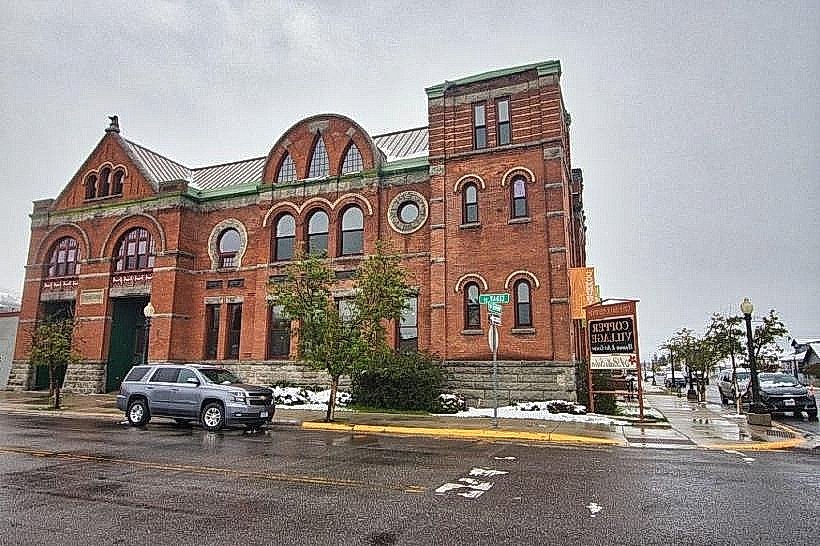
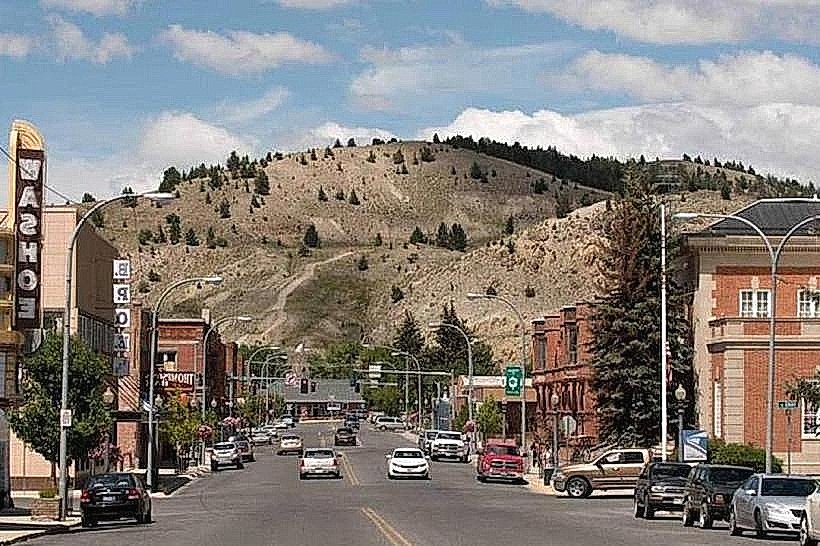
Landmark: Copper Village Museum and Art CenterCity: Anaconda
Country: USA Montana
Continent: North America
Copper Village Museum and Art Center, Anaconda, USA Montana, North America
Kanawha State Forest is a protected natural area located south of Charleston, West Virginia, USA.
Visual Characteristics
The forest comprises approximately 9,300 acres of mixed deciduous woodland. Dominant tree species include oak, maple, and pine. The terrain features rolling hills and ravines, with several small streams and creeks traversing the landscape. Elevation ranges from approximately 700 feet near the Kanawha River to over 1,500 feet on higher ridges.
Location & Access Logistics
Kanawha State Forest is situated approximately 10 miles south of downtown Charleston, West Virginia. Access is via State Route 25 (MacCorkle Avenue) which becomes WV-60 East, then turning onto Forest Road. The drive from the city center is approximately 20-30 minutes depending on traffic. Ample parking is available at designated trailheads and picnic areas. Public transportation options directly to the forest are limited; the Kanawha Valley Regional Transportation (KRT) bus system does not service the forest entrance.
Historical & Ecological Origin
Established in 1935, Kanawha State Forest was developed through the efforts of the Civilian Conservation Corps (CCC) and the West Virginia Forest, Park and Recreation Division. Its primary purpose was to provide recreational opportunities and conserve forest resources. Ecologically, the area is part of the Appalachian mixed mesophytic forest region, characterized by high biodiversity.
Key Highlights & Activities
Activities include hiking on over 30 miles of marked trails, including the 3.5-mile Lake Trail and the more strenuous 5.5-mile Ridge Trail. Fishing is permitted in the forest's stocked ponds and streams, subject to state regulations. Picnicking is available at several designated areas equipped with tables and grills. Birdwatching is a popular activity due to the diverse avian population.
Infrastructure & Amenities
Restrooms are available at the main office and several picnic areas. Shelters and picnic tables are provided. Shade is abundant throughout the forest. Cell phone signal (4G/5G) is intermittent and generally unreliable within the deeper sections of the forest. No on-site food vendors are present; visitors should bring their own provisions.
Best Time to Visit
The best time for hiking and general exploration is from April through October, when temperatures are moderate. Spring (April-May) offers blooming wildflowers, while autumn (September-October) provides fall foliage. For photography, early morning and late afternoon light offers optimal conditions. No specific tide requirements apply.
Facts & Legends
A notable historical feature is the remnants of CCC-era structures, including stone bridges and foundations, still visible along some trails. Local folklore sometimes mentions sightings of elusive wildlife not commonly documented, though these are unverified.
Nearby Landmarks
- State Capitol Building (Charleston, WV) - 10km Northwest
- West Virginia State Museum (Charleston, WV) - 9.5km Northwest
- Haddad Riverfront Park (Charleston, WV) - 11km Northwest
- South Charleston Mound (South Charleston, WV) - 13km Northwest