Information
Landmark: Mount Haggin Wildlife Management AreaCity: Anaconda
Country: USA Montana
Continent: North America
Mount Haggin Wildlife Management Area, Anaconda, USA Montana, North America
Overview
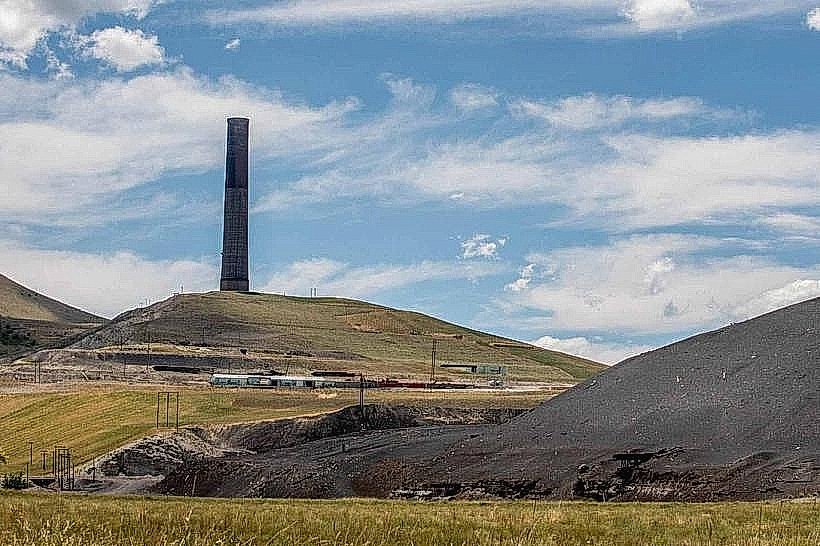
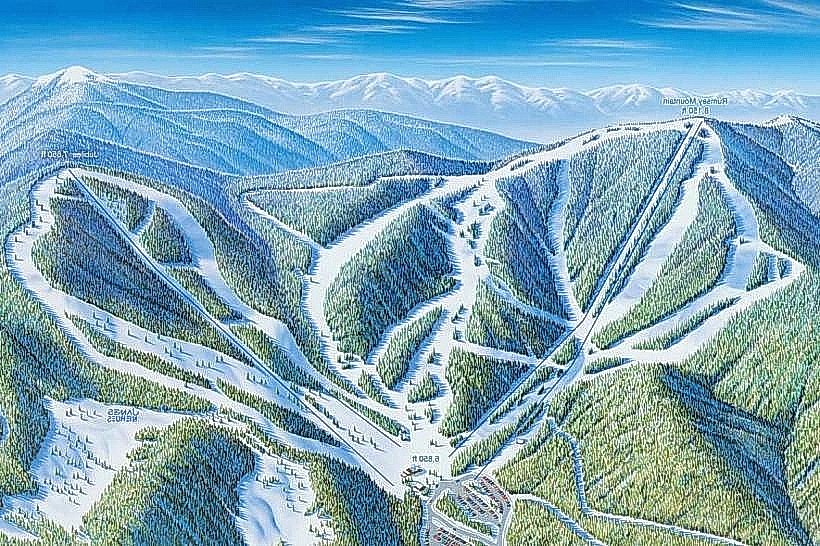
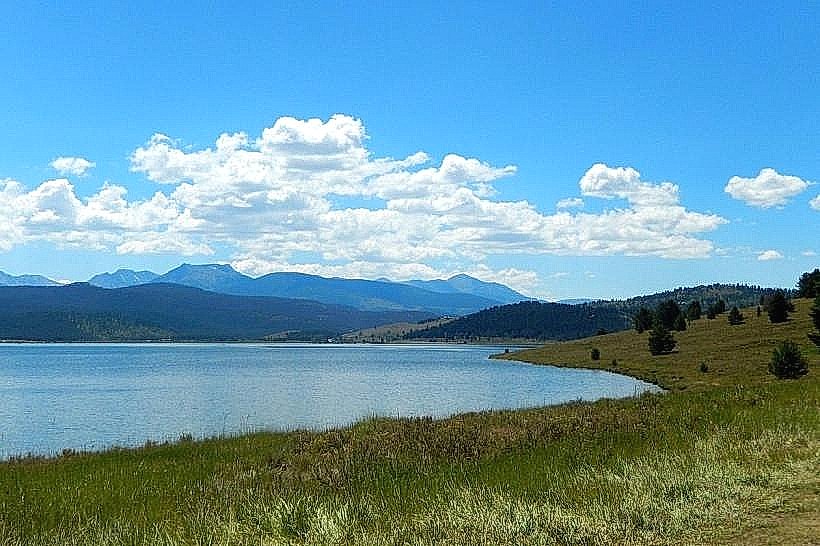
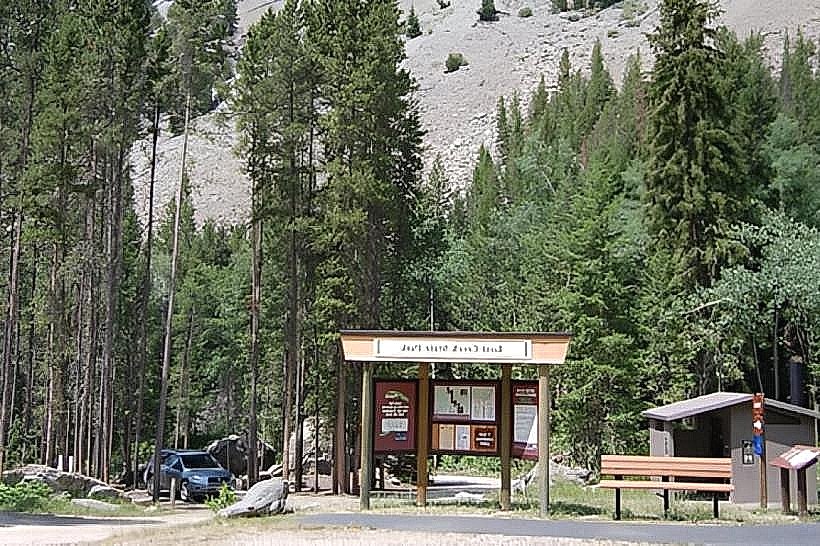
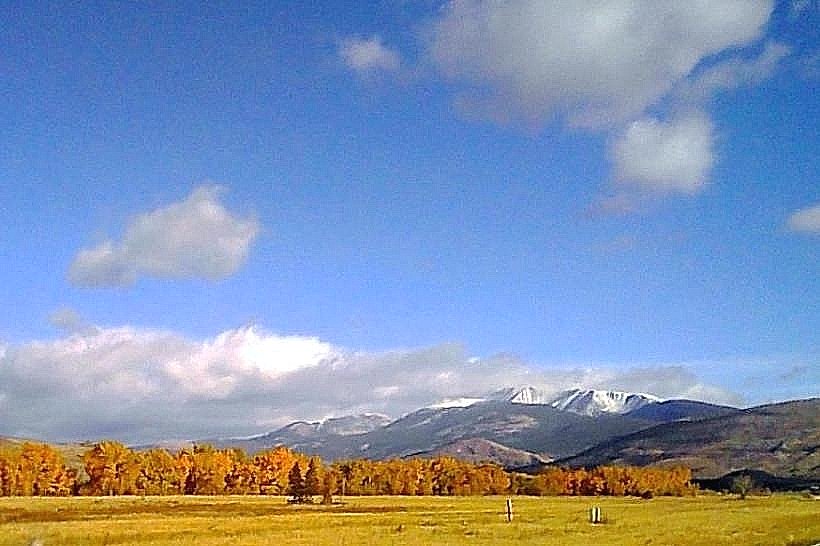
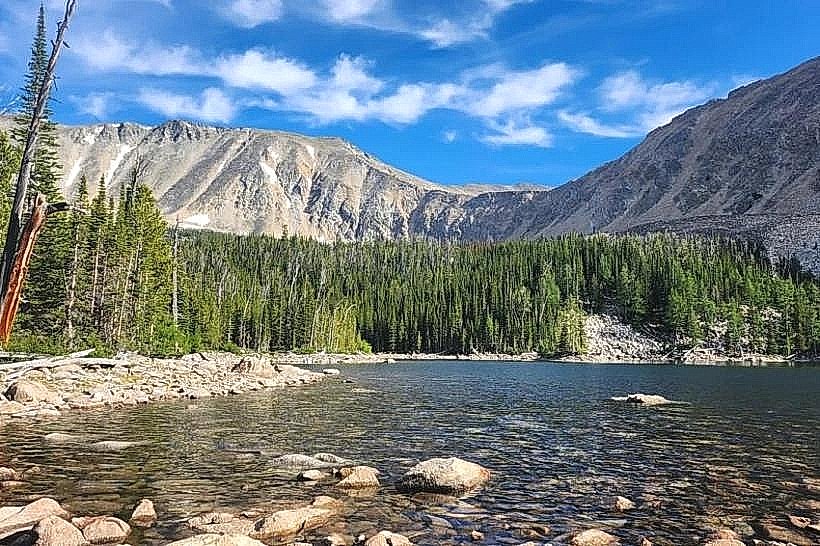
I think, Southwest of Anaconda, Montana, Mount Haggin Wildlife Management Area offers some of the state’s richest variety of wildlife, with sweeping views of rugged peaks and open meadows, also spread across more than 56,000 acres of rugged ground, this vast preserve safeguards vital habitats-from wind-swept alpine meadows and shadowy subalpine forests to cool stream valleys and wide grasslands.It’s a risk-free haven for Montana’s native wildlife, and it draws nature lovers who want to wander through wild, untouched valleys scented with pine, after that the Mount Haggin WMA sits at the western edge of the Anaconda Range, tucked into the northern stretch of the Anaconda–Pintler Mountains where fir trees crowd the slopes.The land rises from about 5,500 feet to more than 10,000, and in that climb the air cools, pines give way to alpine meadows, and wildlife shifts within just a few miles, consequently rolling foothills give way to open basins, dense stands of pine, and sharp alpine ridges, all stitched together by clear, freezing streams like Modesty Creek and French Gulch.All around, Montana’s mining past blends into the landscape-rusted cabins crouch in the grass, faint logging scars cut through the trees, and an historic wagon road lies quiet beneath pine needles, on top of that even with its history, the WMA now feels untouched-wide open, with snow brushing the jagged peaks and valleys stretching far into the haze.Mount Haggin is home to a patchwork of ecosystems, each with its own mix of plants-from wind-bent pines to blankets of alpine flowers, not only that on the lower slopes, sagebrush meadows stretch into open grasslands, where bluebunch wheatgrass sways beside tufts of Idaho fescue.It seems, Lodgepole pine, Douglas fir, and quaking aspen fill the mid-elevations, their leaves flashing a deep gold when autumn settles in, equally important at higher elevations, the land gives way to alpine tundra and bare, windswept ridges, their slopes in summer splashed with paintbrush, lupine, and tiny alpine forget-me-nots swaying in the thin mountain air.If I’m being honest, These plant zones shape the park’s behold and keep its wildlife thriving-think of a red fox slipping through tall reeds at dusk, also at Mount Haggin WMA, you’ll find an incredible variety of wildlife-elk moving through tall grass, hawks circling overhead, and countless other species that make the area famous for its rich biodiversity.It was founded to safeguard the elk and mule deer’s winter range, and today it still stands as one of western Montana’s key gigantic-game habitats, where frost crunches under hoof in the icy dawn, in addition immense mammals roam here-elk crowd the meadows, mule deer slip through the pines, and white-tailed deer flick their tails in the dusk.You might spot moose, catch sight of a black bear, or, once in a while, glimpse a mountain lion melting into the shadows, alternatively you’ll often spot beavers, martens, snowshoe hares, and porcupines nosing around creeks or slipping through the shadows at the forest’s edge, in a sense Golden eagles and red-tailed hawks glide over the ridges, their wings catching the afternoon light, while sandhill cranes, grouse, and flocks of migratory songbirds fill the valleys and wetlands below, on top of that in winter, animals drift down from the snowy ridges to graze in the sheltered meadows, offering visitors a rare, quiet glimpse if they move softly through the frost.Although it’s mainly a haven for wildlife, Mount Haggin WMA still invites visitors to enjoy low-impact recreation-like a quiet hike through its pine-scented trails-most months of the year, not only that miles of antique logging roads wind through sunlit meadows and quiet forests, perfect for a morning hike, spotting radiant-feathered birds, or snapping a photo of the mist between the trees.You can cast a line in the nearby streams and ponds, where trout are scarce but worth the patience-picture the flash of silver as one breaks the surface, then regulated hunting seasons for elk, deer, and upland birds keep wildlife numbers in check and put money back into conservation-like restoring a wind-swept grassland for nesting grouse.When snow blankets the area, it turns into a favorite spot for cross-country skiing and snowmobiling, with smooth, groomed trails kept in top shape by local recreation groups, alternatively since much of the WMA rises high into the hills, snow often clings to shaded ridges well into spring, and the weather can turn in a heartbeat.Be ready for shifting weather, and pack the right gear-like a warm jacket for when the wind picks up, in conjunction with montana Fish, Wildlife & Parks (FWP) oversees the Mount Haggin Wildlife Management Area, tending to its forests and open meadows.If I’m being honest, The mission centers on preserving natural habitats, safeguarding wildlife, and keeping the trails open for everyone to enjoy, and over the past few decades, crews have brought back native grasses, cleared streams once clouded by mining silt, and opened up wide, quiet meadows for elk and moose.Mind you, This stretch of land is a crucial migration route, linking the Anaconda-Pintler Wilderness with the huge Hole Valley-a narrow, wind-swept passage where elk and other wildlife cross western Montana, along with visiting Mount Haggin feels like walking into a quiet valley where the air is cool and time seems to drift.Not surprisingly, Thin, crisp air fills your lungs, carrying the sharp scent of pine and a hint of sage, while the quiet shatters only when wind rattles the branches or an elk calls far off in the blush of dawn, along with early summer brings meadows alive with wildflowers, while the snow-fed creeks flash silver in the warm sun.Mind you, In autumn, hills glow gold while elk drift quietly through the shadowed valleys as the light fades, simultaneously tucked away in quiet country, Mount Haggin WMA gives you a true taste of Montana’s wild heart-a venue where pine-scented air, classical stories, and deep solitude meet in easy harmony.
Author: Tourist Landmarks
Date: 2025-10-25