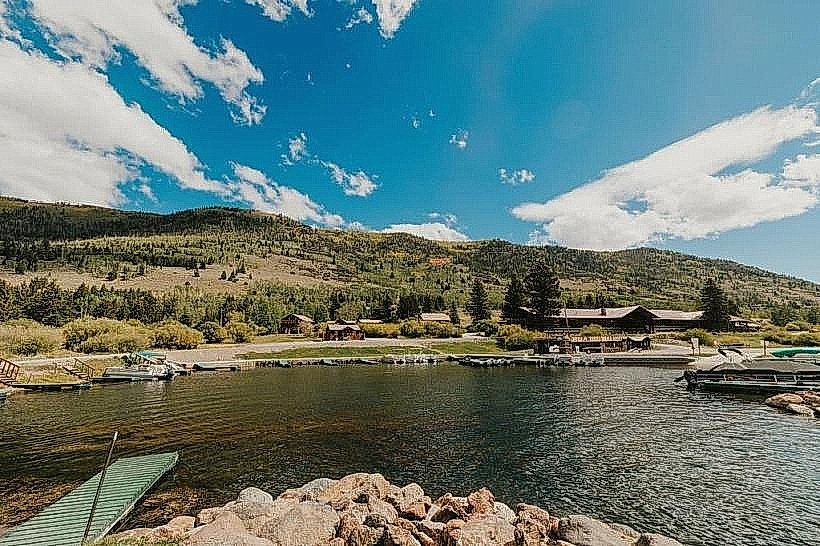
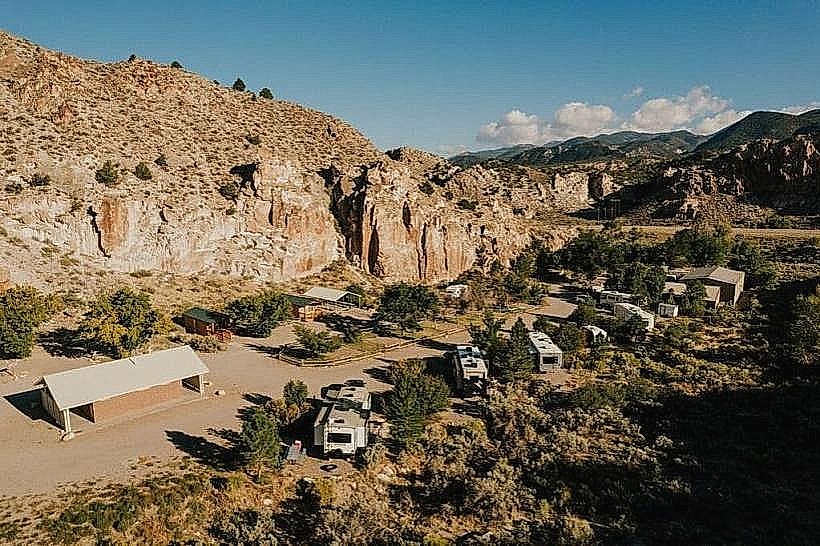
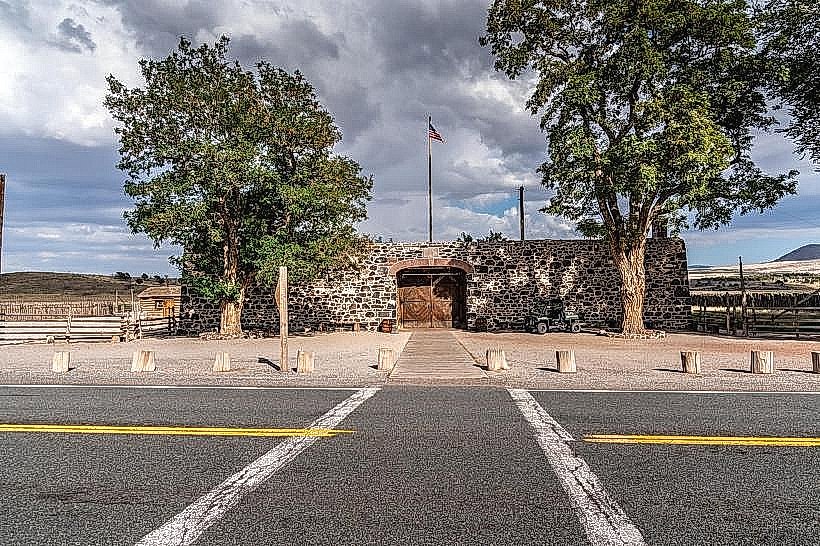
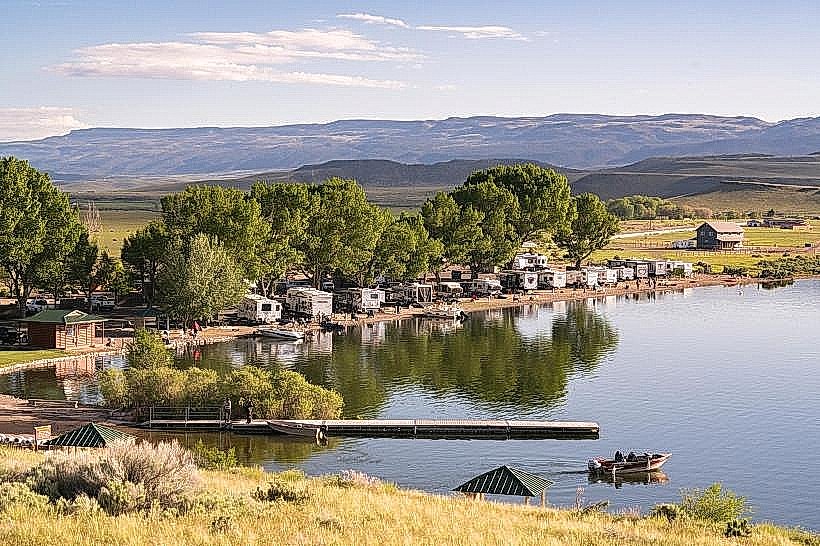
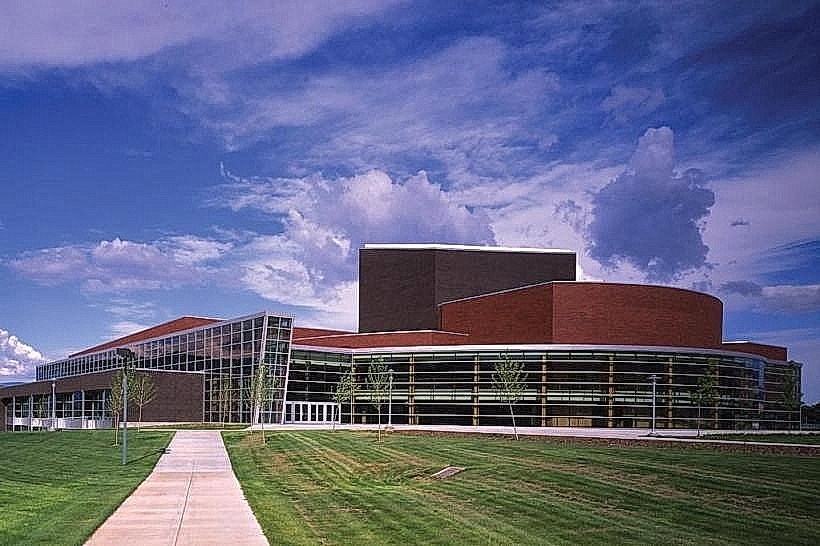
Information
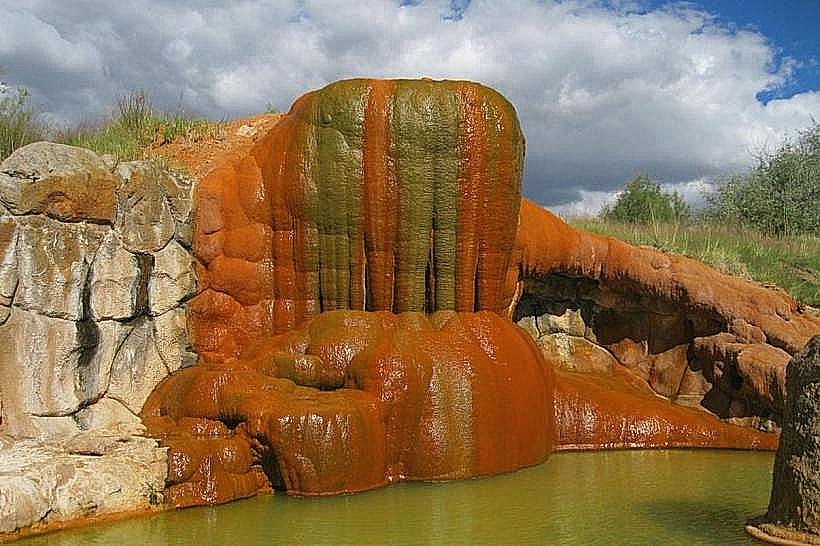
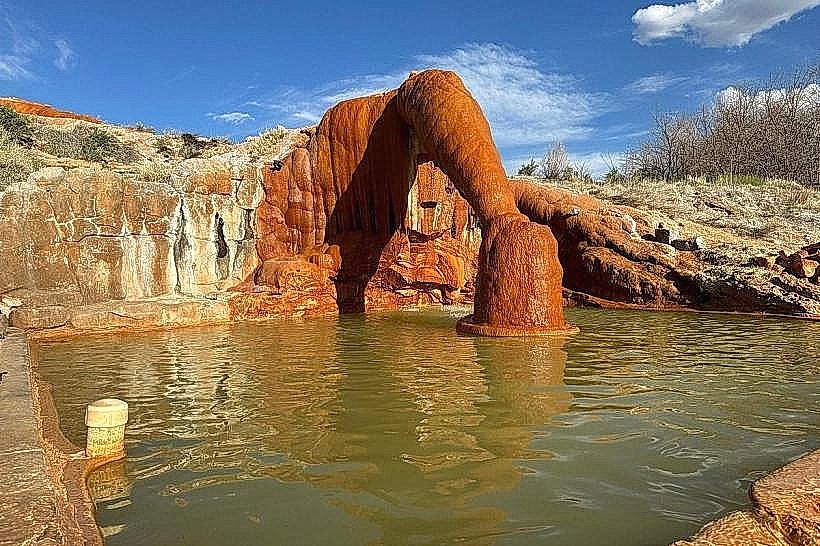
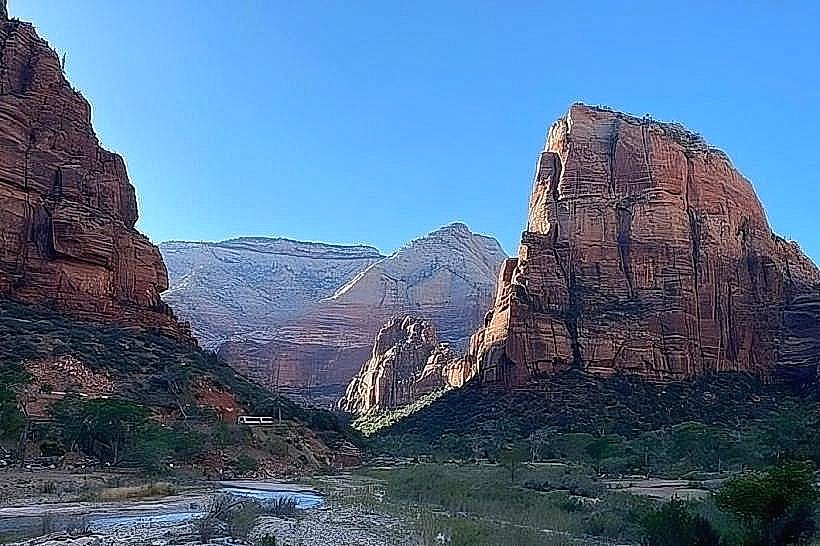
Landmark: Fishlake National ForestCity: Richfield
Country: USA Utah
Continent: North America
Fishlake National Forest, Richfield, USA Utah, North America
Wilcox Park is a public park located in Westerly, Rhode Island.
Visual Characteristics
The park features a central pond, approximately 1.5 acres in size, with a concrete retaining wall. Surrounding the pond are mature deciduous trees, including oak and maple species, providing significant canopy cover. The terrain is gently rolling, with manicured lawns and paved walking paths. Several formal garden beds are present, containing seasonal flowering plants. A notable feature is the stone bridge crossing a narrow section of the pond.
Location & Access Logistics
Wilcox Park is situated at 100 Prospect Street, Westerly, RI 02891, approximately 0.5km North of the Westerly town center. Access is directly from Prospect Street and Elm Street. A dedicated parking lot with approximately 50 spaces is available off Elm Street. The RIPTA bus route 64 stops at the intersection of Elm Street and Prospect Street, a 0.1km walk to the park entrance.
Historical & Ecological Origin
The park was established in 1898 through a donation by Harriet Wilcox, in memory of her husband, Stephen Wilcox. The landscape design was undertaken by the Olmsted Brothers firm. The pond is a man-made feature, created as part of the park's original design to manage drainage and enhance aesthetic appeal. The surrounding vegetation is a mix of native and introduced species, typical of temperate deciduous forests.
Key Highlights & Activities
Walking the paved perimeter path around the pond. Observing waterfowl on the pond. Picnicking on designated lawn areas. Viewing seasonal floral displays in the formal gardens. Accessing the children's playground located on the western side of the park.
Infrastructure & Amenities
Restrooms are available in a central pavilion. Several picnic tables are distributed throughout the park. Shade is provided by mature trees. Cell phone signal (4G/5G) is generally good within the park. No on-site food vendors; nearest options are within 0.5km in the town center.
Best Time to Visit
For photography, early morning or late afternoon offers optimal lighting conditions due to the angle of the sun. The months of May through October provide the most favorable weather for outdoor activities. The pond is generally calm year-round, with no specific tide requirements for viewing.
Facts & Legends
A specific historical oddity is the presence of a large, granite boulder near the park's southern entrance, reportedly transported from a quarry in Westerly and placed as a decorative element during the park's early development.
Nearby Landmarks
- Westerly Public Library - 0.3km Southwest
- Wilcox Park Amphitheater - 0.1km West
- The Westerly Armory - 0.6km Southwest
- Downtown Westerly Shopping District - 0.5km South