Information
Landmark: Flatiron DistrictCity: Manhattan
Country: USA New York
Continent: North America
Flatiron District, Manhattan, USA New York, North America
The Flatiron District is a commercial and residential neighborhood in Manhattan, New York City, USA. It is defined by its distinctive triangular shape, formed by the intersection of Fifth Avenue, Broadway, and 23rd Street.
Visual Characteristics
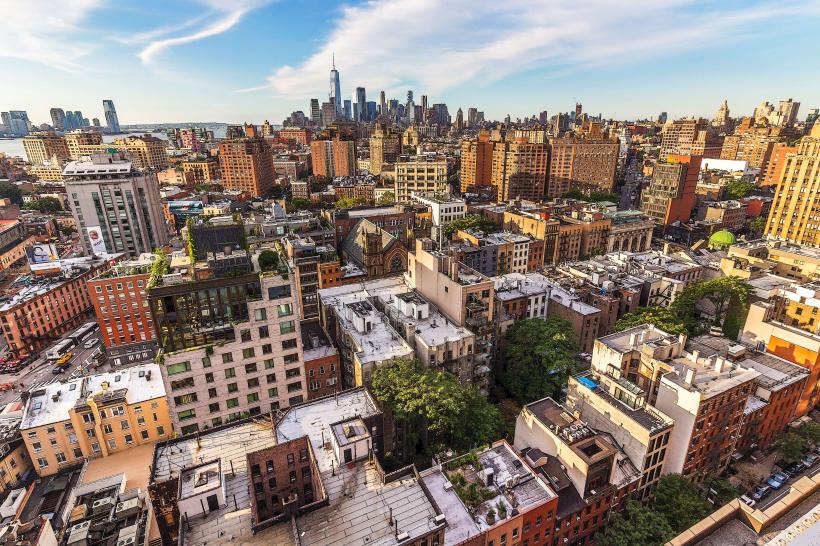
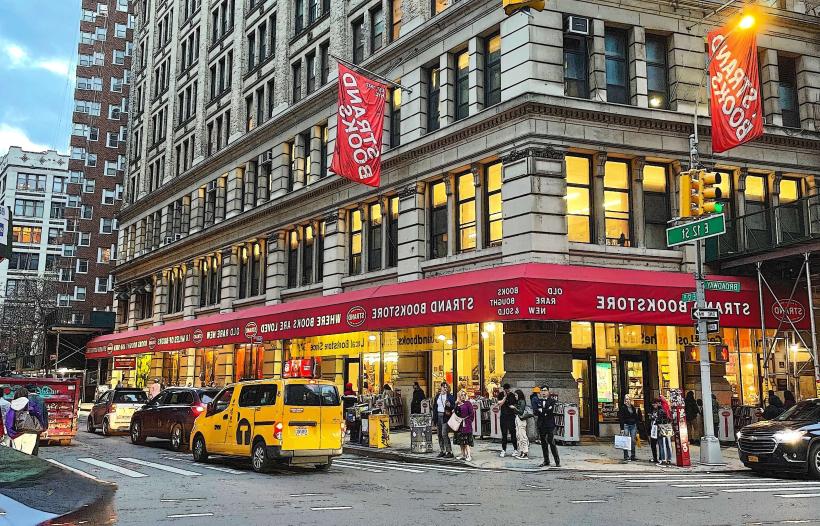
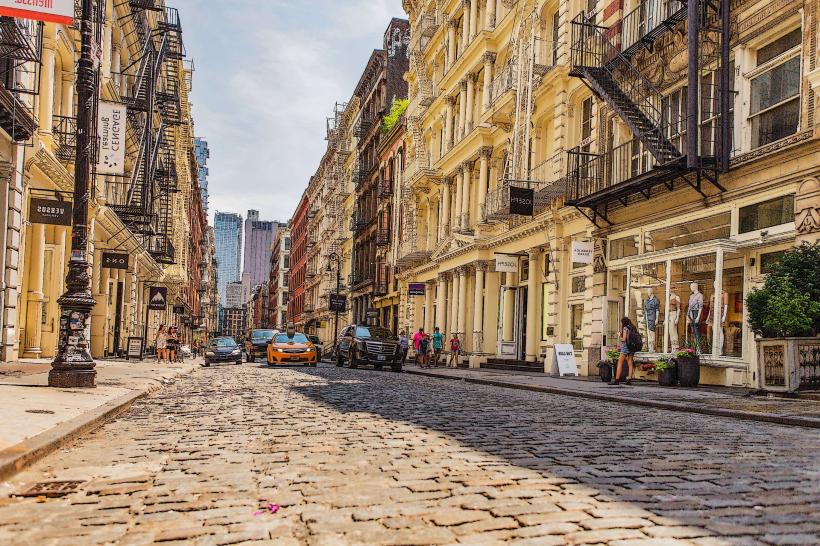
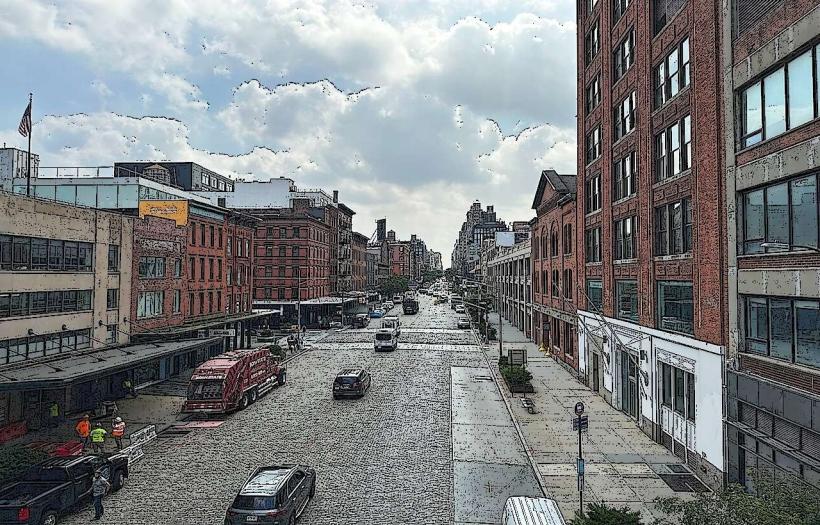
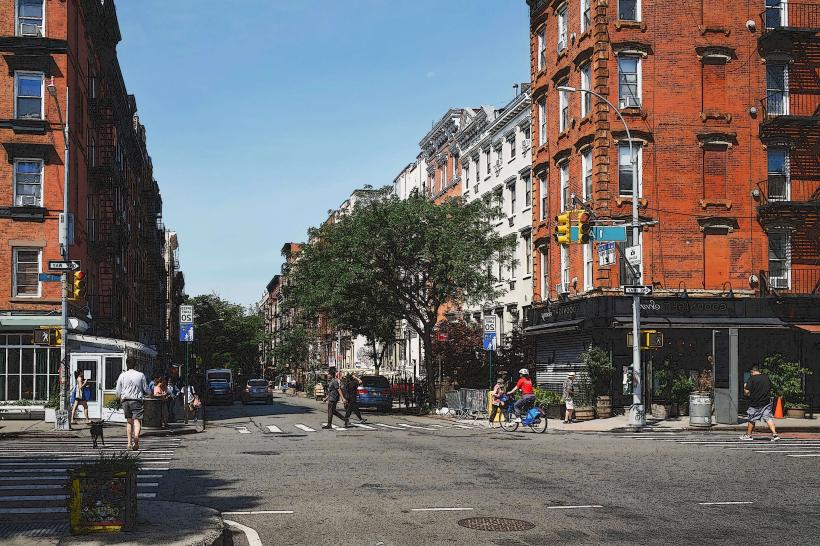
The district's most prominent feature is the Flatiron Building, a 22-story Beaux-Arts skyscraper completed in 1902. Constructed primarily of limestone and brick, its facade exhibits intricate detailing and ornamentation. The building's unique wedge shape tapers to a point at its southern end. Surrounding structures include a mix of pre-war and modern commercial buildings, generally between 10 and 20 stories in height, with retail spaces at street level and offices or residences above.
Location & Access Logistics
The Flatiron District is situated in Midtown South Manhattan. It is accessible via multiple subway lines: the 6 train at 23rd Street and Park Avenue South, the R and W trains at 23rd Street and Broadway, and the 1 train at 23rd Street and Seventh Avenue. Numerous bus routes, including the M1, M2, M3, M5, M6, M7, M101, M102, M103, and Q32, serve the area along Fifth Avenue and Broadway. Parking is limited and expensive, with several commercial parking garages located within the district. The closest major transportation hub is Penn Station, approximately 1.6km (1 mile) to the west.
Historical & Ecological Origin
The district's development accelerated after the construction of the Flatiron Building, designed by Daniel Burnham. Its triangular shape was a result of the city's street grid and the diagonal intersection of Broadway with Fifth Avenue. The area was historically known as the "Ladies' Mile" in the late 19th century, a popular shopping destination. The land itself is part of the Manhattan schist bedrock, typical of the island's geology.
Key Highlights & Activities
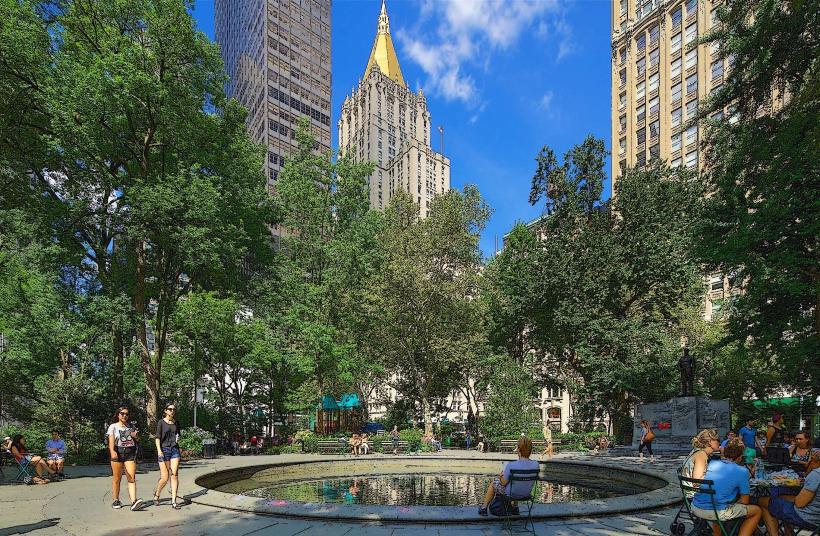
Visitors can observe the architecture of the Flatiron Building from Madison Square Park. Walking tours focusing on the district's history and architecture are available. Retail shopping is a primary activity, with numerous boutiques and flagship stores. The area is also a hub for dining, offering a range of restaurants and cafes.
Infrastructure & Amenities
Restrooms are available in public parks and within many commercial establishments. Shade is provided by street trees and building overhangs. Cell phone signal (4G/5G) is generally strong throughout the district. Food vendors and restaurants are abundant within the Flatiron District and its immediate surroundings.
Best Time to Visit
For optimal architectural photography of the Flatiron Building, early morning or late afternoon light provides favorable angles and reduces harsh shadows. Weekday mornings and early afternoons offer a less crowded experience for shopping and dining. The district is accessible year-round, with no specific seasonal tidal requirements.
Facts & Legends
A persistent urban legend claims that the Flatiron Building's triangular shape was intentionally designed to create a "wind tunnel" effect at its southern tip, causing women's skirts to be lifted. While the building does influence wind patterns, this effect is a consequence of its form and location rather than a primary design intent. The area is also known for its historical connection to early photography studios.
Nearby Landmarks
- Madison Square Park (0.2km North)
- New York Life Building (0.3km North)
- E.V. H. Greenwich Village (1.5km Southwest)
- Empire State Building (1.2km North)
- Union Square (0.8km Southeast)