Information
Landmark: Fontana PretoriaCity: Palermo
Country: Italy
Continent: Europe
Fontana Pretoria, Palermo, Italy, Europe
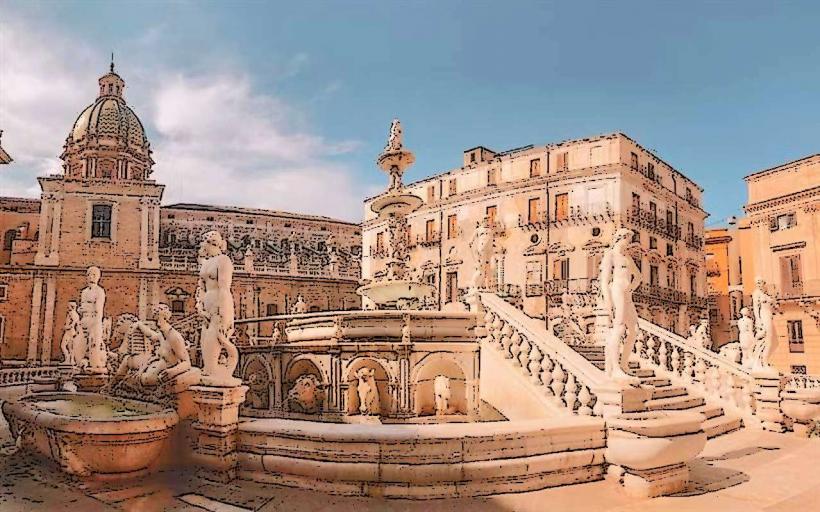
The Fontana Pretoria is a monumental Mannerist fountain located in the center of Piazza Pretoria in Palermo. It is one of the most significant examples of 16th-century Tuscan sculpture in Southern Italy and is popularly known as the "Fontana della Vergogna" (Fountain of Shame).
Visual Characteristics
The fountain is a massive, concentric circular structure built from white Carrara marble. It features three tiers of basins, an intricate system of stairs, and over 30 life-sized statues. The sculptures depict:
Olympian Gods: Jupiter, Apollo, Venus, and Bacchus.
Allegories: Representations of the four rivers of Palermo (Oreto, Papireto, Maredolce, and Gabriele).
Mythological Creatures: Nymphs, satyrs, mermaids, and 24 diverse animal heads decorating the intermediate basins.
Location & Access Logistics
Situated in Piazza Pretoria, positioned between Via Maqueda and the Palazzo Pretorio (City Hall). It is a 10-minute walk from Palermo Centrale station. The fountain is enclosed by an iron fence designed by Giovan Battista Filippo Basile in 1858. While the square is open 24/7, the inner walkway of the fountain is typically accessible during daytime hours.
Historical & Engineering Origin
Sculpted between 1554 and 1555 by Francesco Camilliani and Michelangelo Naccherino in Florence. It was originally commissioned for the garden of a private villa belonging to Don Luigi de Toledo. In 1573, due to de Toledo's financial debts, the fountain was sold to the Senate of Palermo. It was dismantled into 644 pieces, transported by sea, and reassembled under the supervision of the sculptor’s son, Camillo Camilliani. Several local houses were demolished to create sufficient space for the installation.
Key Highlights & Activities
Concentric Design: The fountain’s tiers allow for a 360-degree viewing experience of the sculptural details.
Hydraulic System: When active, the fountain utilizes a complex series of jets and overflows that distribute water through the various marble basins.
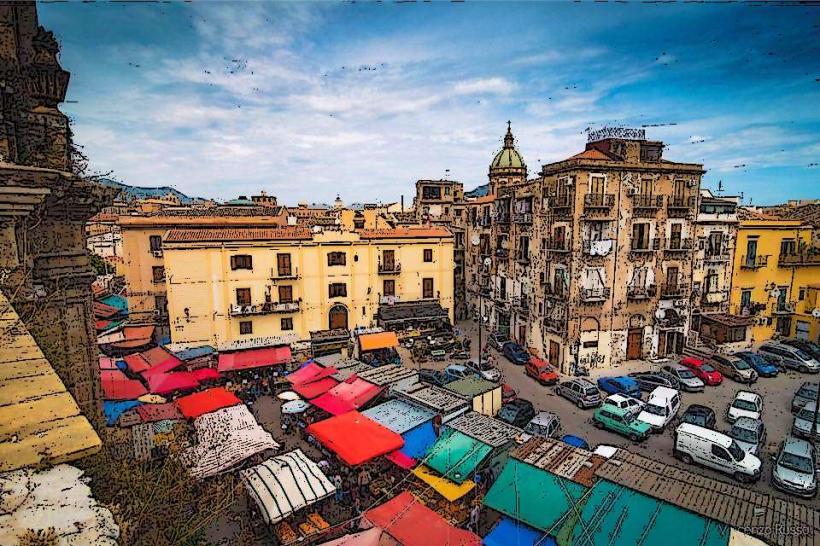
Architectural Context: The fountain is best viewed from the elevated balconies of the adjacent Church of Santa Caterina for a top-down perspective of its geometric layout.
Infrastructure & Amenities
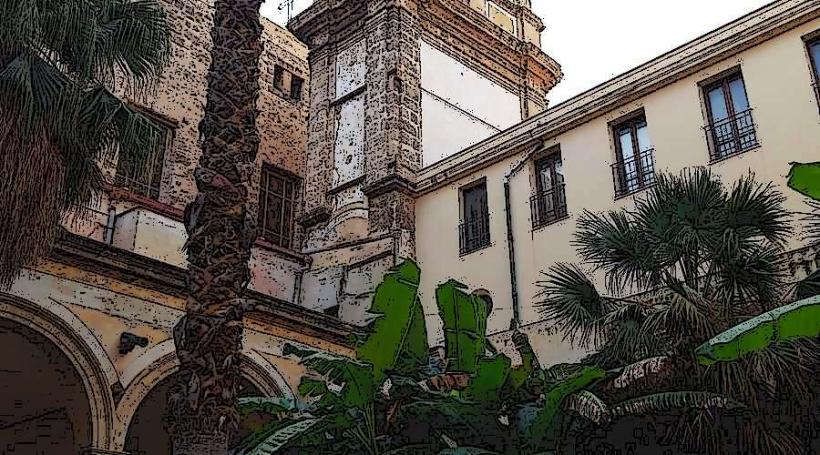
The surrounding area has full 5G coverage. As a major landmark, it is bordered by cafes, restaurants, and municipal offices. There are no public restrooms directly at the fountain; visitors typically use facilities in nearby commercial establishments or the Santa Caterina complex. The site is part of the ZTL (restricted traffic zone), making it entirely pedestrian.
Best Time to Visit
The fountain is best viewed at night when it is illuminated by floodlights, highlighting the musculature and detail of the marble statues. Early morning is the best time for photography to avoid the high volume of pedestrians transiting between the Quattro Canti and the Cathedral.
Facts & Legends
The moniker "Fountain of Shame" has two primary origins. The first is the local legend that the nudity of the statues scandalized the nuns of the neighboring convent, who purportedly damaged the noses of the statues in protest. The second, more historically grounded explanation, is that the nickname represented the public's "shame" at the exorbitant cost of the fountain during a period of severe famine and poverty in the city.
Nearby Landmarks
Quattro Canti: 0.05km Northwest
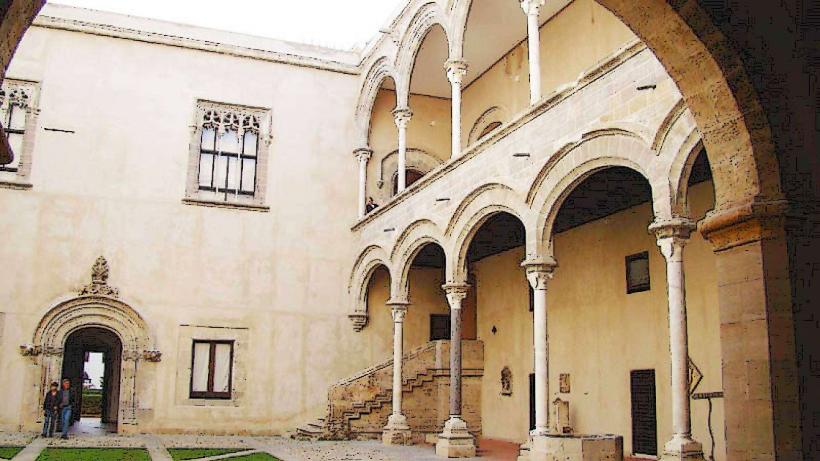
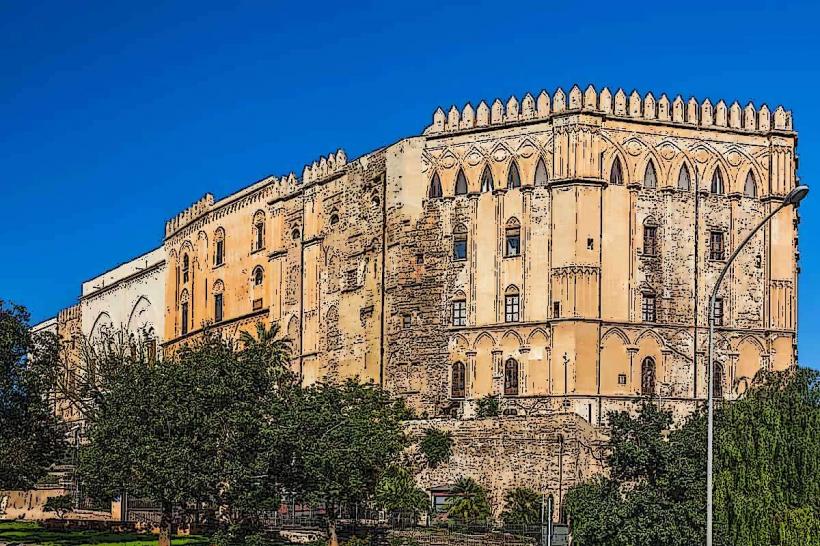
Palazzo Pretorio: 0.02km South
Church of Santa Caterina: 0.01km East
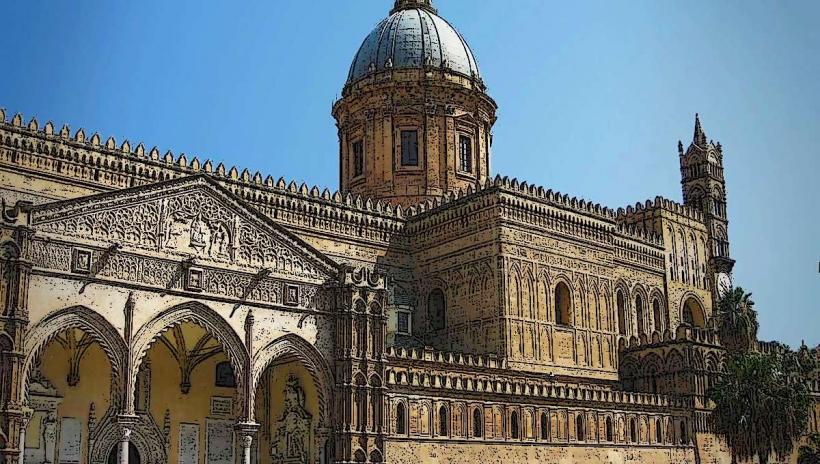
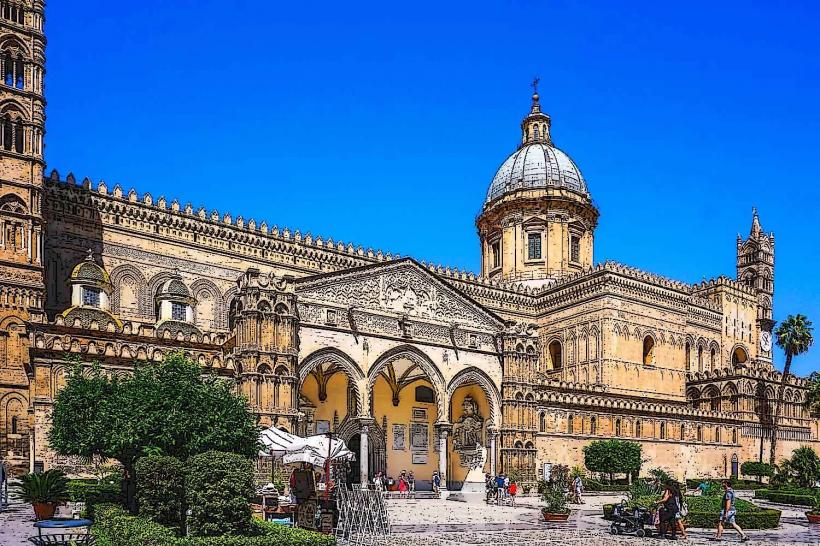
Palermo Cathedral: 0.5km West
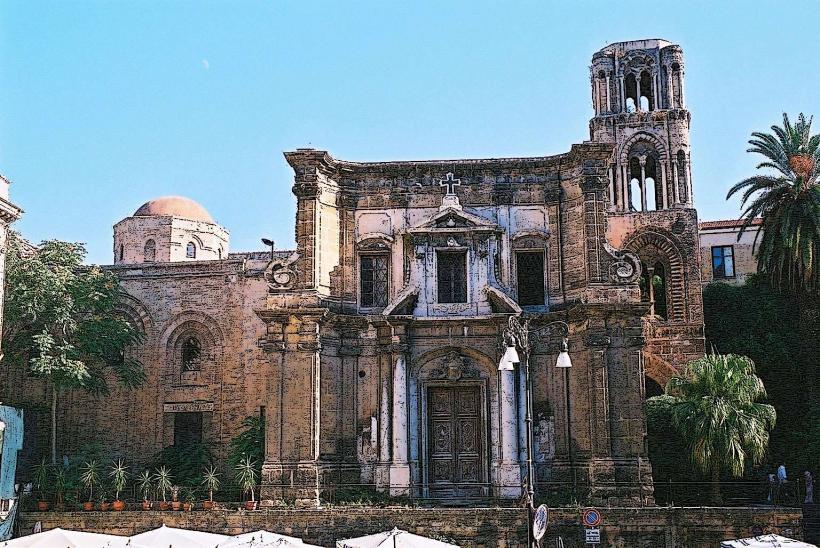
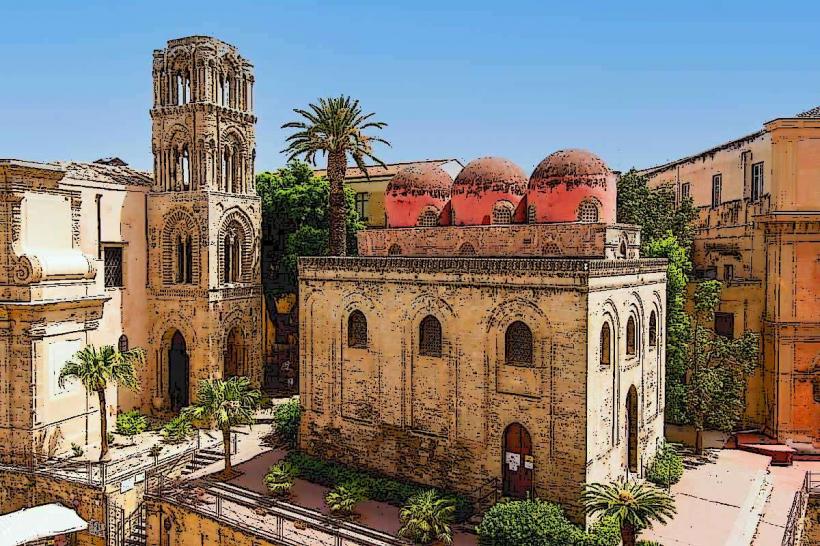
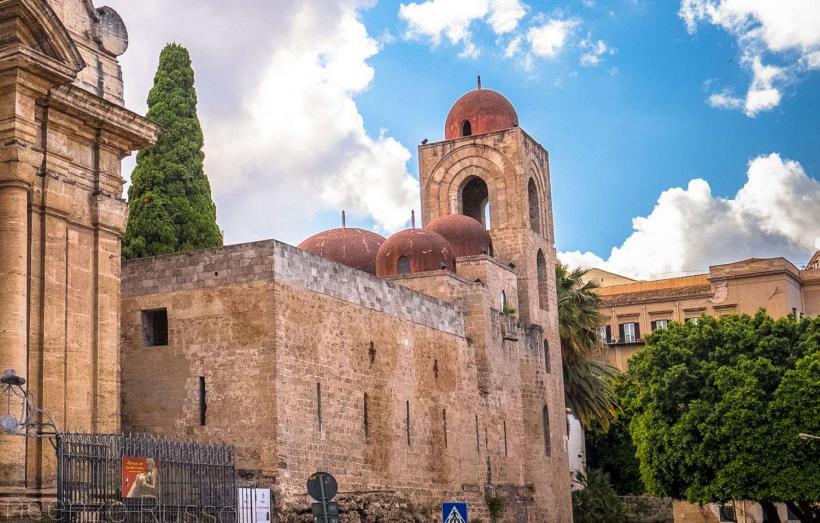
Piazza Bellini (Martorana Church): 0.1km South