Information
Landmark: Fox TheatreCity: Detroit
Country: USA Michigan
Continent: North America
Fox Theatre, Detroit, USA Michigan, North America
The Fox Theatre in Detroit is one of the most magnificent and historically significant theaters in the United States. It stands as a landmark not only of the city’s golden era but also of American theater architecture. Here’s a comprehensive breakdown of its origin, design, cultural significance, and its enduring legacy:
1. Historical Background
The Detroit Fox Theatre was commissioned by William Fox, founder of the Fox Film Corporation, during the roaring 1920s when grand movie palaces were flourishing across the United States. It officially opened on September 21, 1928, as the flagship of the Fox Theatres chain.
At its inception, it was the largest theater in Detroit and among the largest in the world, with a seating capacity of 5,048. It was one of five "Super Fox" theaters built by William Fox in the late 1920s, which also included similar majestic venues in St. Louis, Atlanta, Brooklyn, and San Francisco.
2. Architectural Splendor
The Fox Theatre is an architectural marvel designed by C. Howard Crane, a prominent theater architect who also designed the nearby Detroit Opera House. His vision for the Fox Theatre was to create an exotic, almost fantastical escape for audiences. The result is an elaborate fusion of Far Eastern, Indian, Persian, and Moorish styles-what was often referred to at the time as "Ecclecticism."
Key Architectural Features:
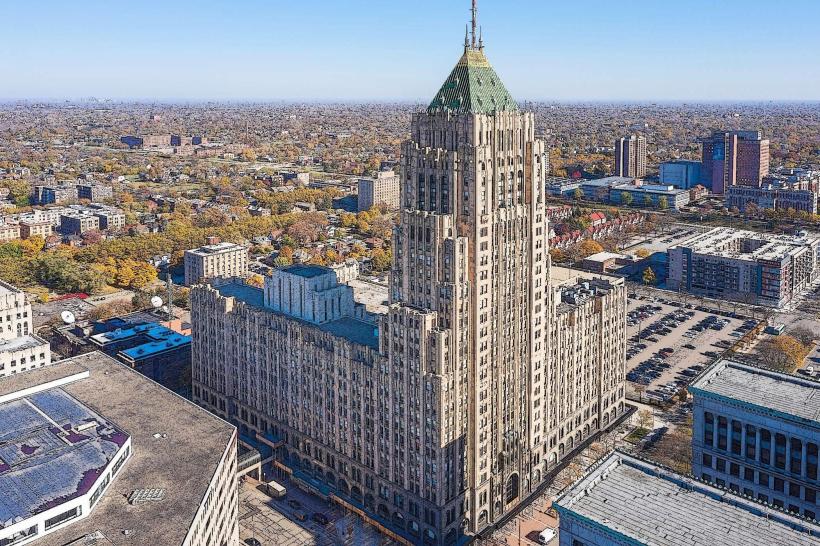
Exterior: A 10-story office tower is built into the front facade, blending Art Deco influences with opulent ornamentation. The marquee and vertical sign became iconic symbols of Detroit.
Lobby: Six stories high, the grand lobby is a cathedral of grandeur with vermilion-colored columns, elaborate cornices, and a gilded ceiling. Intricate carvings and reliefs depicting animals, gods, and mythical creatures are everywhere.
Auditorium: The main auditorium is awe-inspiring. It includes a massive 13-foot diameter chandelier, over 1,200 pieces of glass, richly decorated proscenium arches, and wall panels.
Acoustics and Lighting: Designed with near-perfect acoustics, the theatre also featured state-of-the-art lighting for its time, including color-changing cove lights and elaborate footlights.
The entire ambiance was designed to immerse patrons in luxury and mystique from the moment they entered.
3. Cultural and Entertainment History
From the 1920s to the 1960s, the Fox Theatre was a cultural powerhouse. It was one of the first theaters to be fully wired for "talkies" (sound films), making it a leader in cinema innovation.
In its heyday:
Hosted vaudeville acts, newsreels, live orchestras, and double features.
Performers included Frank Sinatra, Elvis Presley, and later, Motown legends like Diana Ross and The Supremes.
Often accompanied by the Mighty Wurlitzer organ, still one of the largest pipe organs ever built for a movie palace.
During the mid-20th century, however, downtown Detroit experienced urban decline. The rise of television, suburbanization, and changing entertainment preferences led to decreased attendance. By the 1970s, the theater’s future was uncertain, with only sporadic film showings and minimal maintenance.
4. Restoration and Revival
In 1987, the theater was purchased by Mike and Marian Ilitch, founders of Little Caesars Pizza and later owners of the Detroit Red Wings and Tigers. Recognizing its importance, they committed over $12 million to its full restoration, with a promise to restore it authentically, not modernize it.
The restoration included:
Repairing and restoring all gilded plaster work by hand.
Reconstructing original light fixtures and paint schemes.
Installing new heating, cooling, sound, and stage equipment.
Restoring the organ and expanding backstage facilities.
The grand reopening occurred in 1988, marked by a concert headlined by Smokey Robinson and the Count Basie Orchestra. Since then, it has become a jewel of Detroit’s cultural comeback.
5. Present-Day Use and Legacy
Today, the Fox Theatre functions as a multi-purpose performing arts center, hosting:
Broadway shows and musicals
Comedy acts and solo performances
Live concerts from rock to classical
Community events and award ceremonies
It is managed under 313 Presents, a joint venture between Olympia Entertainment and Palace Sports & Entertainment. The Fox continues to attract internationally known acts and plays a key role in Detroit’s revitalization.
Recognitions:
National Historic Landmark (1989) – acknowledging its architectural and cultural importance.
Part of the Detroit Cultural Center and included in many local heritage tours.
Frequently voted as one of the top theaters in America in terms of design and acoustics.
6. Symbolic Importance
The Fox Theatre is more than just a venue; it is a symbol of Detroit’s resilience and creativity. During periods of economic hardship, it stood as a silent witness to the city’s struggle. Its restoration paralleled Detroit’s broader efforts at revitalization, becoming a beacon for the arts and civic pride.
The glowing red "FOX" sign shining over Woodward Avenue reminds locals and visitors alike of the city’s rich past, vibrant present, and hopeful future.
In sum, the Fox Theatre in Detroit is a masterwork of American theater design, a monument to the golden age of cinema, and a living venue that continues to inspire generations through its stunning design, historical depth, and cultural programming.