Information
Landmark: French QuarterCity: New Orleans
Country: USA Louisiana
Continent: North America
French Quarter, New Orleans, USA Louisiana, North America
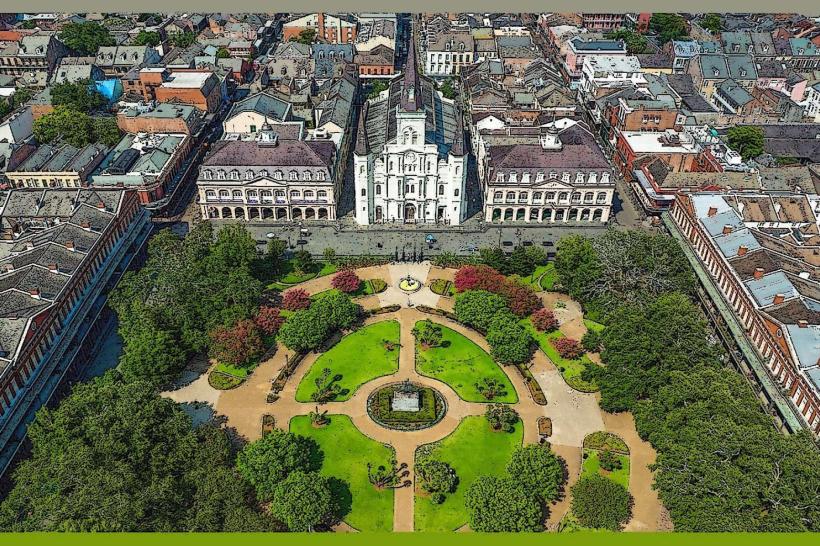
The French Quarter, also known as Vieux Carré, is the historic heart of New Orleans and one of the most culturally rich districts in the United States. Established in 1718 by Jean-Baptiste Le Moyne de Bienville, it is the city’s oldest neighborhood, strategically located along the Mississippi River. The French Quarter covers approximately 85 square blocks, bordered by the Mississippi River to the south, Rampart Street to the north, Canal Street to the west, and Esplanade Avenue to the east. Its grid-like layout, narrow streets, and central plazas reflect the urban planning principles of French and Spanish colonial authorities.
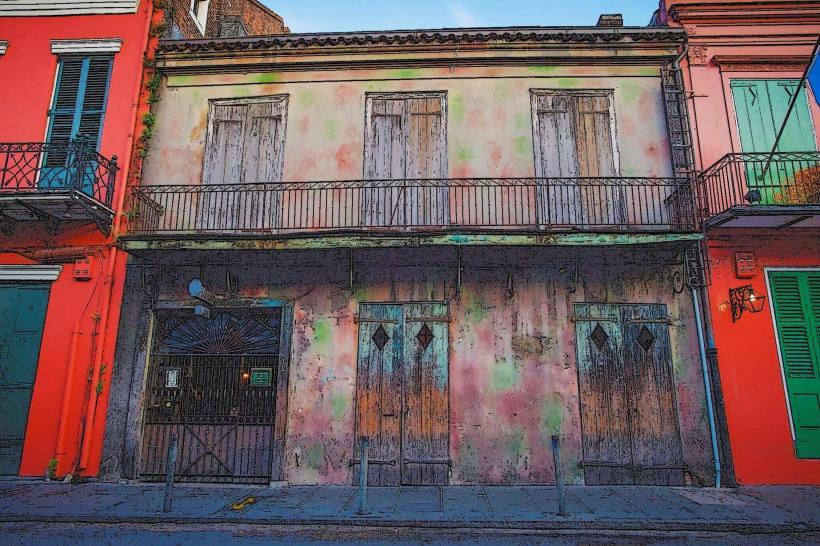
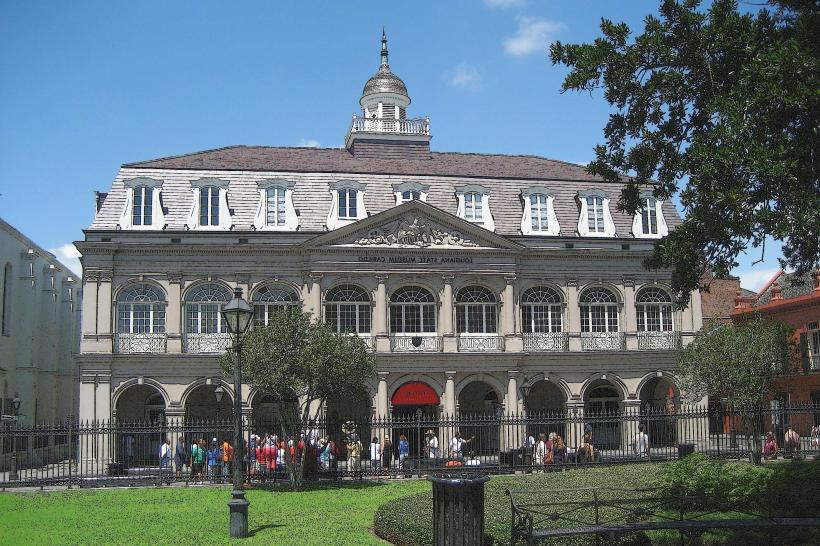
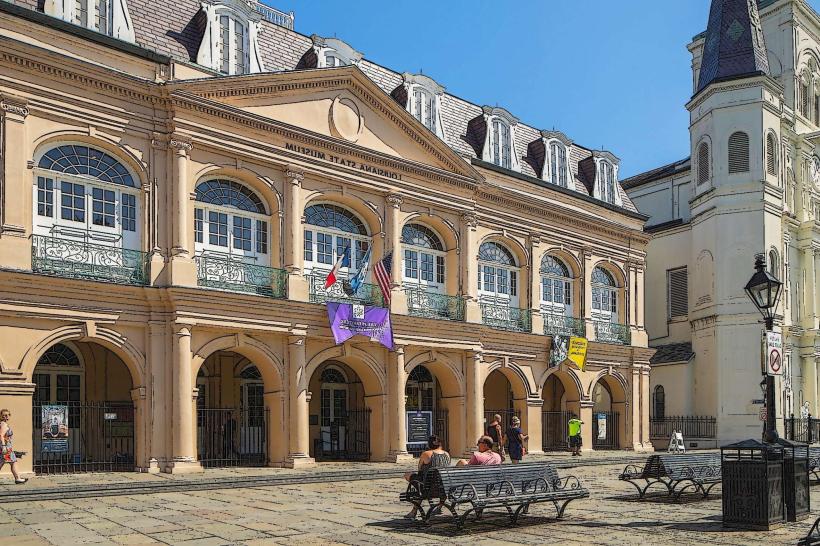
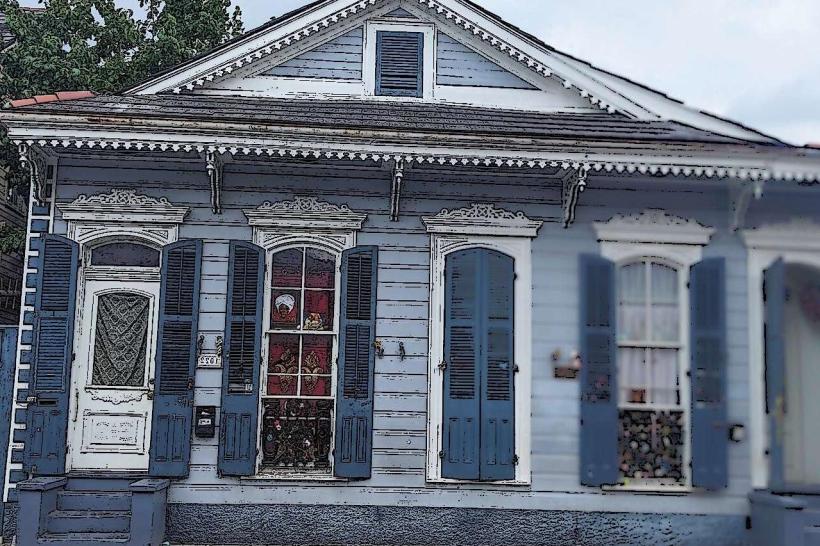
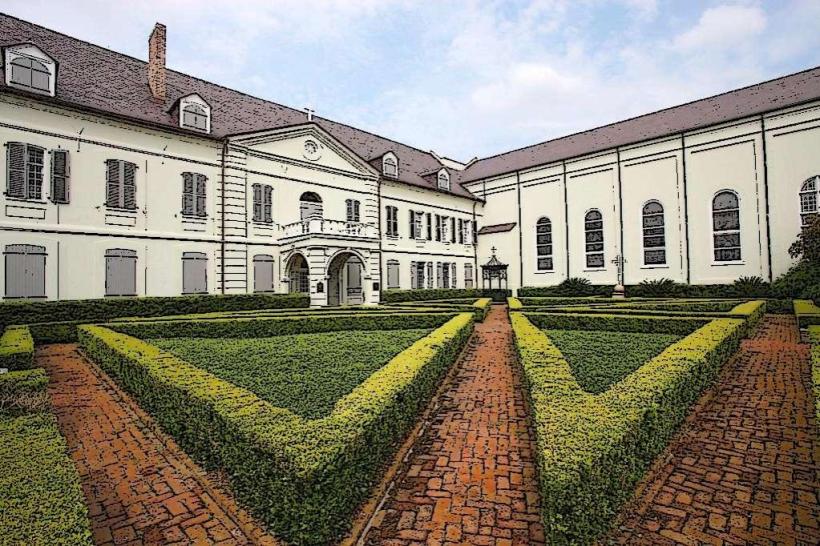
Architecture and Layout: The district is renowned for its distinctive architecture, a blend of French, Spanish, Creole, and Caribbean influences. Wrought-iron balconies, hidden courtyards, colorful façades, and shotgun houses are common features, demonstrating adaptation to the subtropical climate with high ceilings, shutters, and raised foundations. Many buildings date back to the late 18th and early 19th centuries, particularly those reconstructed after the Great Fire of 1788, which destroyed much of the original French wooden structures.
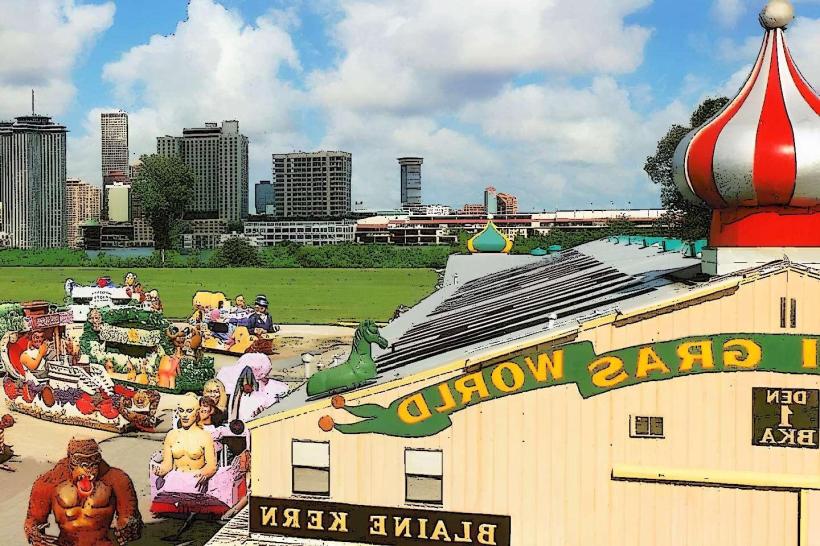
Cultural Significance: The French Quarter embodies New Orleans’ cultural fusion. It has been a hub for Creole society, African-American heritage, and immigrant communities, shaping the city’s music, food, and traditions. Jazz, blues, and brass band music first emerged here, performed in intimate clubs, on street corners, and in historic theaters. The Quarter is also central to festivals like Mardi Gras and French Quarter Festival, hosting parades, music, and cultural events that celebrate the city’s multicultural identity.
Key Landmarks:
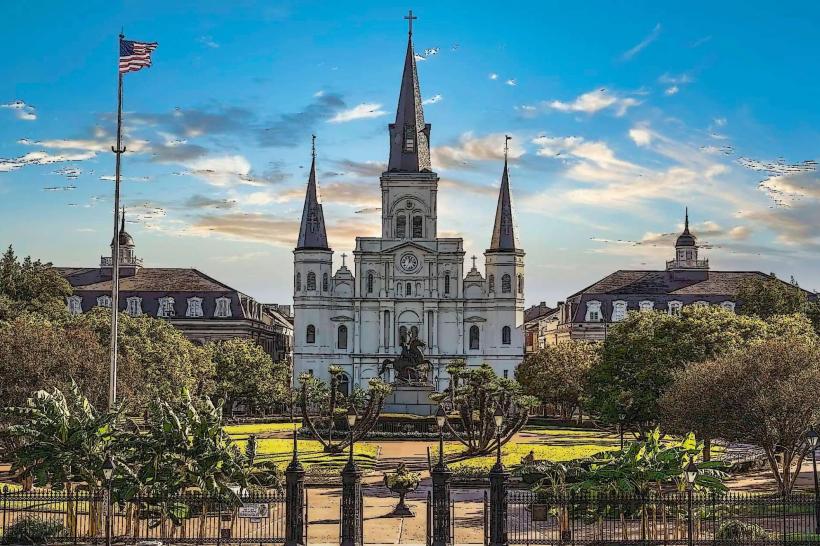
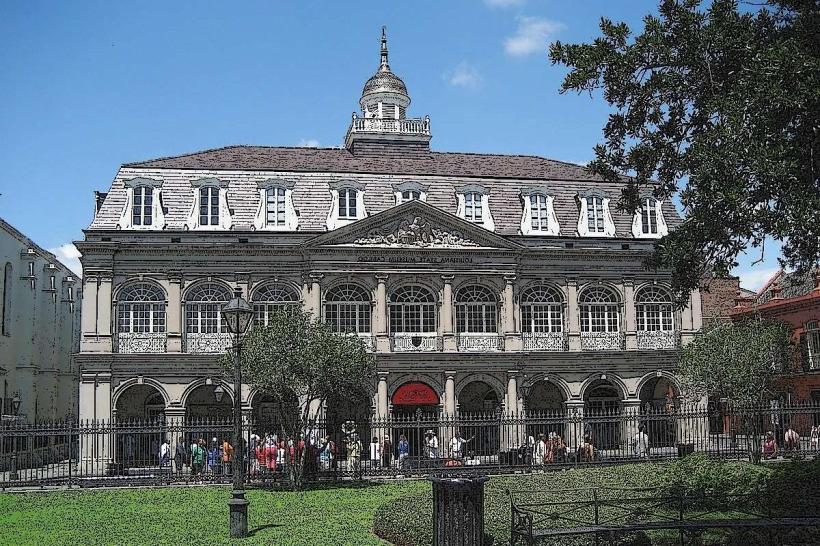
Jackson Square: The square is the historic core of the Quarter, featuring the St. Louis Cathedral, The Cabildo, and The Presbytère, with street artists and performers creating a lively atmosphere.
Royal Street: Famous for art galleries, antique shops, and street musicians, this street offers a quieter, more elegant alternative to the livelier Bourbon Street.
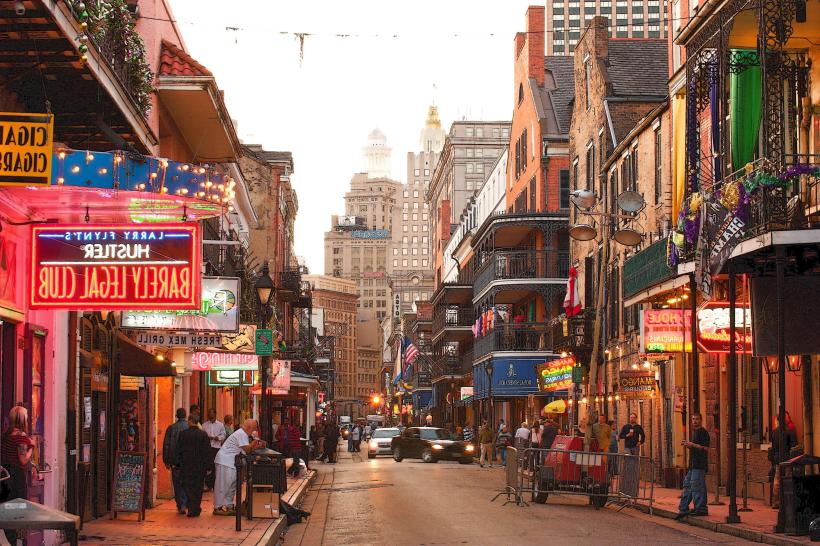
Bourbon Street: Known for nightlife, live music, and vibrant bars, Bourbon Street exemplifies the city’s festive spirit.
French Market: A historic open-air market that has operated since the late 18th century, offering local crafts, food, and souvenirs.
Lifestyle and Atmosphere: The French Quarter combines residential, commercial, and entertainment functions. Residents live in historic townhouses or apartments above shops and restaurants, preserving a lived-in, authentic feel despite heavy tourism. The district’s streets are pedestrian-friendly, encouraging exploration of hidden courtyards, gardens, and small squares. Street performers, jazz musicians, and local artists contribute to the immersive cultural experience, while cafes and restaurants serve Creole, Cajun, and international cuisine.
Tourism and Preservation: The French Quarter is both a major tourist destination and a carefully preserved historic district. Regulations protect its architectural heritage, maintaining the district’s character while accommodating modern needs. Visitors experience a blend of history, art, music, and gastronomy, making the Quarter an enduring symbol of New Orleans’ identity and vitality. Its combination of visual charm, historical depth, and cultural richness makes it a microcosm of the city’s unique heritage.